Is an old, rusting vehicle taking up valuable space in your driveway or garage? You aren’t alone. Dealing with an end-of-life vehicle is a common headache for vehicle owners, but it doesn’t have to be a stressful experience. In fact, that eyesore could be worth a significant amount of cash.
Whether you are looking to support a good cause, make a quick profit, or simply clear out some space, there are several reliable paths forward. This guide explores the most effective methods for junk car removal, ensuring you make the best decision for your financial and personal needs.
TL;DR & Key Takeaways:
If you are short on time, here is the quick summary of your options for removing a junk car:
- Professional Removal Services: The fastest and most convenient option. You typically get free towing and immediate cash on the spot.
- Local Junkyards: A good option if you can transport the vehicle yourself, though it often requires more effort than a removal service.
- Charity Donation: A noble choice that may offer a tax deduction, though recent IRS rules have made the financial benefit less predictable.
- Private Sale: Potentially the most profitable route, but it requires significant time, patience, and effort to find a buyer for a damaged car.
Table of Contents:
- Selling Your Car to a Local Junkyard
- Utilizing Professional Junk Car Removal Services
- Donating Your Vehicle to Charity
- Private Sale vs. Professional Scrapping
- Quick Recap: Comparing Removal Options
- Frequently Asked Questions
- Conclusion
Selling Your Car to a Local Junkyard
Selling directly to a junkyard is a viable option if you have the means to transport the vehicle yourself, often resulting in payment based on the car’s scrap metal weight.
For those who don’t mind a little heavy lifting, working directly with a salvage yard or junkyard can be straightforward. These facilities purchase vehicles primarily for their parts and scrap metal content. According to the EPA, the average vehicle is approximately 75% metal, making even a non-running car valuable to recyclers.
However, this route often puts the burden of logistics on you. You may need to arrange your own towing if the car isn’t roadworthy, which can eat into your profit. Additionally, you will need to handle the paperwork carefully. In Indiana, for example, the Bureau of Motor Vehicles (BMV) explicitly states that the seller must remove the license plates from the vehicle at the time of the transaction. You are not required to return the plates to the BMV, but you must take them off the car before leaving it at the yard.
Utilizing Professional Junk Car Removal Services
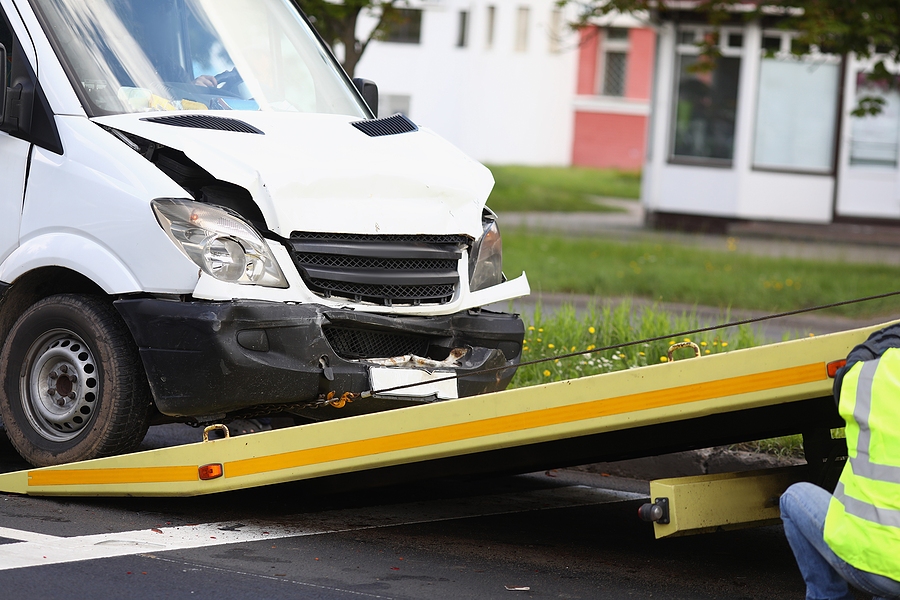
Professional junk car removal services offer the highest level of convenience by providing free towing and immediate cash payments, handling the logistics so you don’t have to.
If you value time and ease, a professional junk car buyer is often the superior choice. These companies specialize in buying cars in any condition—running or not—and streamlining the process. Unlike a standard junkyard that might expect you to bring the car to them, removal services come to you.
The process is generally simple:
- Get a Quote: You provide details about the car’s make, model, year, and condition.
- Schedule Pickup: If you accept the offer, they schedule a tow truck to come to your location.
- Transfer Ownership: You will sign over the car title to the buyer.
- Get Paid: You receive cash on the spot when they pick up the vehicle.
This method eliminates the cost of towing and the hassle of negotiating. These services evaluate the car based on salvageable parts, catalytic converter value, and scrap weight, ensuring you get a fair market price without the legwork.
Donating Your Vehicle to Charity
Donating your car allows you to support a cause you care about and may provide a tax deduction, provided you follow specific IRS documentation rules. Donating a vehicle is a generous way to give back to your community. However, if you are counting on a tax break, it is crucial to understand the current tax laws, which are stricter than they used to be.
The IRS requires that you obtain a contemporaneous written acknowledgment from the charity, typically Form 1098-C. Crucially, your deduction is generally limited to the gross proceeds from the charity’s sale of the vehicle, not its fair market value. For example, if you donate a car worth $3,000, but the charity sells it at auction for $1,500, your deduction is generally limited to $1,500.
There are exceptions—such as if the charity keeps the car for its own use or gives it to a needy individual—but you must have the proper documentation to prove it. Always verify that the charity is a qualified 501(c)(3) organization before handing over the keys.
Private Sale vs. Professional Scrapping
Private sales can yield a higher payout but require significant effort in advertising and negotiation, whereas professional scrapping offers guaranteed cash with minimal effort. Deciding between selling privately and scrapping comes down to how much you value your time versus your potential profit.
Private Sale:
- Pros: You set the price and might find a buyer looking for a project car or specific parts.
- Cons: You must list the car, deal with strangers coming to your home, negotiate prices, and handle the title transfer yourself. If the car is in poor condition, finding a buyer can take months.
Professional Scrapping:
- Pros: The sale is immediate. You don’t have to worry about tire kickers, advertising costs, or safety inspections. It is a “one-and-done” transaction.
- Cons: The offer is based on scrap and salvage value, which might be lower than what a private collector would pay for a rare model—but not by much, if any at all.
Frequently Asked Questions regarding Junk Car Removal
Do I need a title to junk my car in Indiana?
Generally, yes. Legitimate junk car buyers and salvage yards will require proof of ownership to prevent the sale of stolen vehicles. In Indiana, you must have a certificate of title to transfer ownership legally. If you have lost your title, you will likely need to apply for a duplicate through the Indiana BMV before you can complete the sale.
Does the condition of the car matter?
For professional removal services, usually not. They buy cars “as-is.” Whether the car has been totaled in an accident, has a blown engine, or is simply rusted out, it still holds value in metal and parts.
What should I do before the tow truck arrives?
You should remove all personal belongings from the vehicle. Check the trunk, glove box, under the seats, and in the seat pockets. As mentioned earlier, remove the license plates. You do not need to clean the car, but removing personal items is essential.
Will I get paid if the car doesn’t run?
Yes. Non-running vehicles are the primary inventory for junk car removal services. The value is derived from the materials and parts, not the vehicle’s ability to drive.
Quick Recap:
Here is a snapshot of how the different methods stack up:
- Removal Service: Best for speed, convenience, and guaranteed cash. Includes free towing.
- Junkyard: Good for quick disposal if you can tow it yourself.
- Charity: Best for philanthropic goals. Tax benefits vary and require paperwork.
- Private Sale: Best for maximizing profit on rare or repairable cars, but requires high effort.
Conclusion
Getting rid of a junk car doesn’t have to be a burden. By understanding your options—from the convenience of professional removal services to the generosity of charitable donation—you can make a choice that clears your driveway and benefits your wallet. The right partner makes the process seamless, handling the heavy lifting so you can move forward with peace of mind.
Ready to turn that old car into cash today? If you are in the Central Indiana area, we are here to help. Zore’s Junk Cars provides free junk car removal in the Indianapolis metro area and pays cash on the spot, regardless of your vehicle’s age or condition. Skip the hassle of private sales and let us handle the towing for you. Contact us now for your free quote!
Related Post: Indianapolis Scrap Car Removal Guide