How Scrap Metal Weight Determines Your Junk Car’s Cash Value

Saying goodbye to a trusty old vehicle can feel a bit bittersweet. However, letting a broken-down car sit in your driveway indefinitely only leads to rust, fluid leaks, and neighborhood complaints. When repair costs exceed the actual value of your vehicle, selling it to an auto salvage yard becomes the most logical step. It provides a straightforward way to clear up space and put some extra money in your pocket.

But how exactly do junk car buyers decide what your vehicle is worth? While the make, model, and condition matter, the primary factor driving that final cash offer is scrap metal weight.

This guide explains exactly how auto salvage yards calculate the value of your vehicle based on its weight. You will learn the difference between heavy steel parts and highly valuable non-ferrous components, ensuring you know exactly what to expect when you finally request a quote.

Junk Car Scrap Metal Weight

The Basics of Car Scrapping: What Happens to Your Old Vehicle?

Why Scrap Your Car? Environmental and Financial Benefits

Scrapping a car does more than just boost your bank account. It plays a critical role in environmental preservation. Recycling scrap metal uses significantly less energy than mining and refining new ore. When you sell your junk car, salvage yards carefully drain hazardous fluids—like oil, coolant, and transmission fluid—preventing them from seeping into local soil and waterways.

Financially, it transforms a useless, depreciating asset into immediate cash. Instead of paying insurance and registration fees for a car you cannot drive, you get paid to have it removed.

How Salvage Yards Evaluate Junk Cars

Auto recyclers look at vehicles differently than traditional used car buyers. They are less concerned about minor dents or a torn interior and highly focused on the raw materials inside.

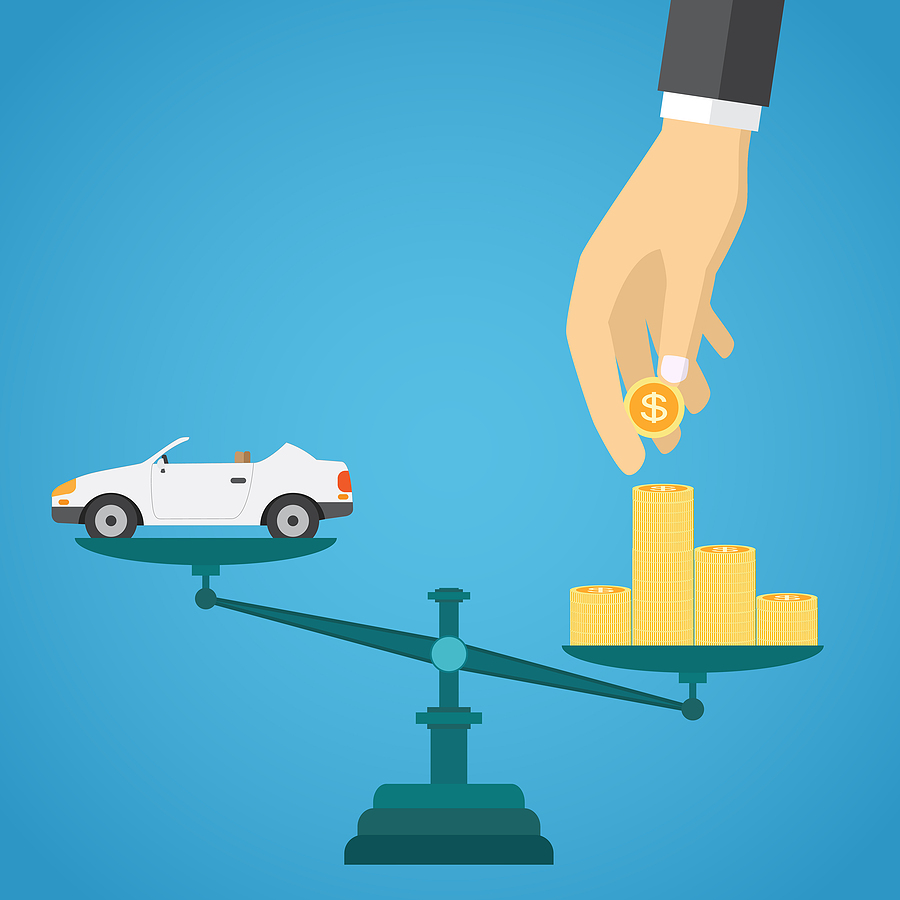
Salvage yards calculate a car’s value by estimating the usable parts and the total tonnage of scrap metal. With the average passenger car weighing around two tons, buyers multiply that weight by current market scrap prices. Because metal markets fluctuate daily based on supply and demand, the exact offer you receive can vary depending on when you choose to sell.

Decoding Scrap Metal Weight: More Than Just the Scale

Not all metals are created equal. A vehicle is a complex machine made from various materials, each commanding a drastically different price at the local auto salvage yard. Junk car buyers categorize these materials into two main groups: ferrous and non-ferrous metals.

Ferrous Metals: The Heavy Hitters

Ferrous metals contain iron, making them magnetic and highly susceptible to rust. In the automotive world, steel and cast iron fall into this category.

Steel typically makes up roughly 65% of an average vehicle’s total weight. It forms the frame, body panels, and chassis. Because ferrous metals are so abundant, they fetch a lower price per pound. However, their sheer volume means they still account for a substantial portion of your car’s total scrap value.

Non-Ferrous Metals: The Higher Value Components

Non-ferrous metals do not contain iron, meaning they resist corrosion and are significantly lighter. These include aluminum, copper, brass, and platinum.

While these metals make up a much smaller percentage of a car’s total weight, they are incredibly valuable. Salvage yards and junk car buyers pay a premium for non-ferrous materials because they are highly sought after in manufacturing. A few pounds of copper wiring can sometimes equal the value of several hundred pounds of heavy sheet metal.

Key Components Contributing to Scrap Weight

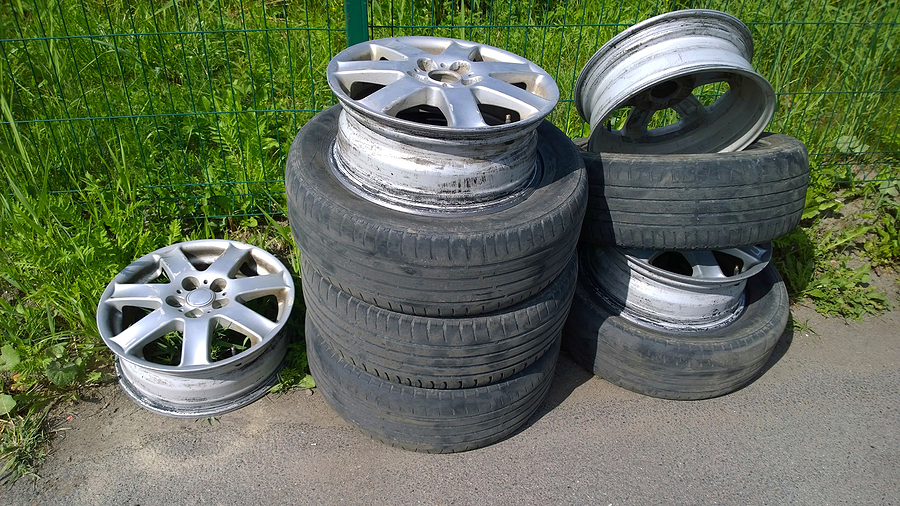
Certain parts of your car heavily influence the final appraisal. The engine block and transmission are massive chunks of metal—often cast aluminum or iron—that add significant weight and value.

Catalytic converters are another highly prized component. They contain precious metals like platinum, palladium, and rhodium, which filter exhaust emissions. Additionally, copper wiring harnesses, aluminum alloy wheels, and lead-acid batteries all contribute to the overall profitability of the scrapped vehicle.

Maximizing Your Payout: Tips for Getting the Most for Your Junk Car

Preparing Your Car for Scrapping

You want to get the highest possible cash offer for your vehicle. Start by removing all personal belongings from the cabin and trunk. If you have recently installed brand-new tires, a high-end stereo system, or a fresh battery, you might want to remove and sell those separately. Keep in mind that stripping too many essential parts—like the engine or catalytic converter—will drastically lower the salvage yard’s offer, as you are removing the most valuable scrap metal weight.

Choosing the Right Salvage Yard

Not every junk car buyer operates with the same level of integrity. Some companies will quote you a high price over the phone, only to deduct hefty towing fees once they arrive.

Always look for an established, fully-licensed salvage yard with transparent pricing. Read local reviews and confirm that they pay cash on the spot. A reputable junk car buyer will clearly explain their evaluation process and stick to the price they promised.

Frequently Asked Questions about Scrapping Junk Cars

Do all car parts contribute to scrap metal weight?

No. Non-metal components like plastic dashboards, rubber tires, glass windows, and fabric seats do not hold scrap metal value. In fact, salvage yards must carefully separate and dispose of these materials. The cash offer you receive is based strictly on the recoverable metal components.

How is the value of different metals determined?

Metal values are dictated by global commodity markets. Factors like international trade, construction demands, and supply chain constraints cause daily price fluctuations. Aluminum and copper always command higher prices per pound than standard steel due to their scarcity and manufacturing demand.

Can I scrap a car without a title?

This depends entirely on your local laws and the specific salvage yard’s policies. Many reputable buyers require a valid vehicle title to prove ownership and prevent the sale of stolen cars. If you have lost your title, you can usually request a duplicate from your local Bureau of Motor Vehicles (BMV) before scheduling a pickup.

Turn Your Junk Car into Cash Today

Selling your junk car is an excellent way to reclaim your driveway and instantly boost your finances. By knowing how scrap metal weight and specific materials influence your vehicle’s value, you can approach the selling process with confidence. Heavy steel provides the base value, while precious non-ferrous metals like copper and aluminum maximize your final payout.

Ready to turn that old vehicle into immediate cash? Zore’s Junk Cars pays top-dollar for anything motorized regardless of its age, make, model, or condition. There are never any hidden fees or surprise deductions. We offer free haul-away, so all you have to do is call! Request a free offer today and let our Indianapolis junk car buyers handle the rest.

Call Now

Related Post: Tips for Selling Your Automotive Scrap Metal

Scrap Metal Prices: Copper, Steel, Aluminum & Brass Trends

Recycling metal is a smart financial move that supports a healthier environment and a robust economy. From construction sites to household garages, scrap metal represents a valuable resource. Selling old materials provides extra income and reduces the need to mine raw ores.

The market for these materials changes frequently. Staying informed about the current rates for metals like copper, steel, aluminum, and brass empowers you to make the best decisions when you visit the scrap yard.

This guide provides a clear look at the current market trends. You will learn what factors influence prices, how to identify different grades of metal, and the most effective ways to prepare your haul for maximum profit.

The Current State of Scrap Metal Prices in the USA

The metal recycling industry operates on a global scale. Domestic prices reflect a combination of international demand, manufacturing activity, and supply chain logistics. Currently, the market shows strong performance for non-ferrous metals, with materials like copper leading the charge.

Economic shifts play a massive role in what scrap yards can pay. When construction and tech sectors boom, demand for raw materials surges. Conversely, periods of economic cooling can cause prices to stabilize or dip. Because of these constant fluctuations, sellers must monitor the market closely to secure the best payout.

Copper Scrap Prices: A Detailed Look

Copper consistently commands some of the highest prices at the scrap yard. Its excellent conductivity makes it essential for electronics, plumbing, and renewable energy infrastructure.

Factors Influencing Copper Market Value

Global construction projects and the rise of electric vehicles heavily influence copper prices. When major economies invest in infrastructure, copper demand skyrockets. Supply disruptions at overseas mines can also create shortages, driving up the value of domestic scrap. Currently, top-tier copper scrap can fetch upwards of $5.50 per pound, depending on your region and the metal’s purity.

Common Types of Copper Scrap

Scrap yards classify copper into distinct grades. Your payout depends entirely on the grade you provide:

  • Bare Bright Copper: This is the most valuable grade. It consists of clean, uncoated, and unalloyed copper wire thicker than 16 gauge.
  • #1 Copper: Clean copper tubing and wire that is free of paint, solder, and heavy oxidation.
  • #2 Copper: This grade includes unalloyed copper wire or tubing with light tin coating, paint, or moderate oxidation.

Prices vary slightly depending on your location. For example, yards on the East Coast and in the Midwest frequently adjust their rates to match regional shipping and processing costs.

Steel Scrap Prices: Trends and Analysis

Steel is the backbone of global infrastructure. It is a ferrous metal, meaning it contains iron and is magnetic. Because steel is highly abundant, it fetches a lower price per pound than copper. However, scrap yards buy it in massive quantities, making it a lucrative material for bulk sellers.

Different Grades of Steel Scrap

Steel pricing relies heavily on the thickness and preparation of the metal.

  • Prepared Steel: Heavy steel cut into specific dimensions that mills can easily melt down. This grade typically commands a premium, often hovering around $160 per gross ton.
  • Shredded Auto Scrap: Junk car buyers run scrap vehicles through massive shredders provide a steady supply of steel for the recycling industry.
  • Light Iron: Appliances, tin roofing, and thin sheet metal fall into this category. It requires more processing and generally pays a lower rate.

When industrial manufacturing and commercial construction increase, steel mills require more raw materials. This heightened industrial activity directly boosts the price scrap yards can offer for your heavy steel and iron.

Aluminum Scrap Prices: What You Need to Know

Aluminum is lightweight, rust-resistant, and endlessly recyclable. The process of recycling aluminum requires significantly less energy than refining new bauxite ore. This environmental benefit creates a permanent, strong market for aluminum scrap.

Common Forms of Aluminum Scrap

You can find aluminum in countless everyday items. Scrap yards categorize it to process it efficiently:

  • Extrusions: Clean aluminum window frames and structural pieces often pay over $1.00 per pound.
  • Aluminum Rims: Clean, tire-free car rims are a favorite at scrap yards due to their density and purity.
  • Sheet Aluminum: Lawn chairs, siding, and light framing fall into this category.
  • UBC (Used Beverage Cans): The classic aluminum can is a staple of the recycling industry.

High national recycling rates keep the aluminum market steady. Manufacturers rely on this recycled material to produce new vehicles, aerospace components, and consumer goods.

Maximizing Your Scrap Metal Value

You control how much money you make at the scrap yard. Proper preparation separates the amateurs from the professionals.

First, use a magnet to separate your metals. A magnet will stick to ferrous metals like steel and iron. It will not stick to valuable non-ferrous metals like copper, aluminum, and brass. Keep these materials in separate bins.

Next, strip your metal. Remove plastic handles, steel screws, and thick rubber insulation from copper wire. Scrap yards will downgrade your entire load if they find foreign materials mixed in with clean metal.

Finally, call several local scrap yards. Prices fluctuate daily, and different facilities offer different rates based on their specific buyers. A quick phone call ensures you get the highest return for your hard work.

Frequently Asked Questions About Scrap Metal

What are the best times to sell scrap metal?

Market prices typically rise during the warmer months when construction and manufacturing are at their peak. However, monitoring daily commodity indexes is the most accurate way to time your sale.

How do I identify different types of scrap metal?

Start with a magnet. If it sticks, you have steel or iron. If it doesn’t, inspect the color. Copper is reddish-brown, brass has a yellowish-gold tint, and aluminum is silver-gray and very lightweight.

Do prices vary by state?

Yes. Local demand, proximity to major export ports, and regional transportation costs all impact the price a specific scrap yard can offer.

Staying Informed in the Scrap Market

The scrap metal industry is complex and constantly moving. Prices for copper, steel, aluminum, and brass shift based on global economic health and local industrial needs.

By familiarizing yourself with metal grades and taking the time to properly sort your haul, you protect your profits. Treat metal recycling as a business, stay updated on current market trends, and you will consistently maximize the value of your scrap.

Ready to get cash for your junk car in Indianapolis? We offer cash on the spot and free towing!

Call for a Free Junk Car Offer

Related Post: Selling Your Junk Car in Indianapolis: A Pricing Guide

Selling a Junk Car in Indy? Don’t Fall for These 5 Myths

Having an old, broken-down vehicle taking up space in your driveway can be a major source of stress. You want it gone, but the thought of dealing with buyers, paperwork, and tow trucks often feels overwhelming. For many vehicle owners in Indianapolis, misinformation makes the process seem far more complicated than it actually is.

These common misconceptions prevent people from turning their unwanted vehicles into usable cash. You might assume your car is too damaged to be worth anything, or worry that local junkyards will hit you with hidden fees. However, the auto salvage industry has evolved significantly, offering straightforward, secure solutions for getting rid of your clunker.

This post will debunk the most pervasive myths about getting rid of scrap vehicles. By learning the facts, you can confidently clear up your property, avoid common pitfalls, and ensure you get a fair payout for your vehicle.

Junk Car Selling Myths

Myth 1: My Car is Too Old/Damaged to Sell

Many people look at a severely rusted, non-running vehicle and assume it is completely worthless. You might think that because it cannot safely drive down I-465, no one will want to buy it.

The Truth About “Junk” Cars

The auto recycling industry operates on a completely different set of standards than a traditional used car dealership. Buyers who specialize in salvage vehicles do not care if the engine is blown, the transmission is slipping, or the body is heavily dented. They purchase vehicles specifically to recycle them. Every vehicle, no matter how deteriorated, has intrinsic value due to the materials it contains.

What Car Buyers Really Look For

Salvage yards evaluate your car based on its raw materials and salvageable components. The heavy steel frame, aluminum parts, and even the catalytic converter contain valuable metals that are consistently in demand on the scrap market. Additionally, a car with a ruined engine might still have a perfectly intact set of doors, unblemished glass, or a functioning alternator. Professional buyers assess the overall weight and usable parts, ensuring that even a total loss can result in a cash payout.

Myth 2: I’ll Get Scammed Selling to a Junkyard

Stories of shady tow truck drivers and bait-and-switch pricing make many sellers hesitant to contact a salvage yard. It is a valid concern, as unscrupulous operators do exist in every industry.

Reputable Buyers Exist

You do not have to settle for dishonest buyers. Indianapolis is home to established, fully licensed auto recycling facilities that have served the community for decades. Companies with deep roots in the area prioritize transparent transactions and fair customer service. When you work with a trusted, long-standing local junk car buyer, you receive an honest quote without the anxiety of high-pressure sales tactics.

Protecting Yourself from Scams

To protect your financial interests, always do a bit of research before agreeing to a sale. Request a firm quote over the phone and confirm that the company will not charge you for towing. A common scam involves offering a high price initially, only to deduct a massive “hauling fee” once the truck arrives. Ask direct questions, check online reviews, and only hand over your keys and title when you have the agreed-upon cash in your hand.

Myth 3: Selling a Junk Car is a Long and Difficult Process

If you have ever tried selling a used car on a digital marketplace, you know the frustration of answering endless messages, coordinating test drives, and dealing with flaky buyers. Many assume selling a junk car involves the same exhausting timeline.

Streamlined Selling Options

Professional salvage yards have perfected the art of the quick transaction. The process usually begins with a brief phone call where you provide basic details about your vehicle’s make, model, and condition. You receive an instant offer. If you accept, the company handles all the logistics. You do not have to write a clever listing, take perfectly lit photos, or negotiate with strangers over a period of weeks.

Required Documentation Made Easy

While the paperwork process intimidates some sellers, it is actually quite simple. In most cases, all you need is your valid photo ID and the clear vehicle title to prove ownership. Established buyers will walk you through exactly where to sign to ensure the legal transfer of ownership goes smoothly, protecting you from future liability.

Myth 4: I Need to Fix My Car Before Selling It

When preparing a house or a standard used car for sale, fixing glaring issues is standard practice. Applying this logic to a junk car, however, is a massive mistake that will drain your wallet.

Selling As-Is: The Benefits

Salvage buyers expect your car to have major mechanical or cosmetic defects. Selling your vehicle exactly as it sits saves you a tremendous amount of time, energy, and money. You do not need to replace the tires, fix a cracked windshield, or detail the interior. The buyer is going to dismantle and recycle the vehicle anyway, meaning cosmetic improvements offer zero return on investment.

When Repairs Aren’t Worth It

Pouring money into a failing vehicle is a classic sunk cost fallacy. If a repair bill exceeds the total value of the car, it is time to let it go. Spending $1,500 on a new transmission for a vehicle that is only worth $800 in scrap value simply does not make financial sense. Keeping the car as-is and collecting cash is the smartest financial decision.

Myth 5: I Won’t Get Good Money for My Junk Car

Because the vehicle no longer serves its primary purpose of transportation, owners often assume they will only receive a few pennies for their trouble. Some even think they have to pay a company to haul it away.

Factors Influencing Your Car’s Value

Your payout depends on several concrete variables rather than arbitrary guessing. The primary factor is the current market rate for scrap metal, which fluctuates based on global supply and demand. Heavier vehicles like trucks and SUVs contain more steel, generally yielding a higher payout. The specific make and model also matter; cars with highly sought-after parts can command premium prices.

Getting the Best Price for Your Junk Car

To maximize your payout, bypass the middlemen and sell directly to a local, established auto recycler. National chains often outsource the towing and take a cut of the profits, leaving you with a smaller check. A local scrap car buyer with an in-house towing fleet has lower overhead costs and can pass those savings directly to you.

Frequently Asked Questions (FAQ)

Do I need a title to sell my junk car in Indianapolis?

Yes. According to Indiana Bureau of Motor Vehicles (BMV) regulations, you must possess a clear certificate of title to legally sell or scrap a motor vehicle. If you have misplaced your title, you will need to apply for a duplicate through the BMV before completing the sale.

How quickly can I get cash for my junk car?

With a reputable local buyer, the turnaround time is incredibly fast. Most companies can provide a quote over the phone instantly and dispatch a tow truck to your location on the exact same day, putting cash in your hand within hours.

What if my car isn’t running?

That is completely fine. Top-tier salvage buyers provide complimentary towing services specifically for this reason. They have the equipment required to safely extract and haul away vehicles that cannot start, steer, or roll.

Turn Your Clunker Into Instant Cash

Clearing out an unwanted vehicle shouldn’t be a source of anxiety. Now that you know the truth behind the auto salvage process, you can move forward with confidence and reclaim your driveway space. You don’t have to fix a thing, and you certainly don’t have to settle for less than your vehicle is worth.

Sell your junk car for cash on the spot in Indianapolis. Zore’s Junk Cars pays top-dollar and provides free haul-away. Give us a call today to secure a fair quote and experience a truly hassle-free transaction.

Get a Free Junk Car Quote

Related Post: Junk Car Towing: What You Need to Know Before Scrapping an Old Vehicle

Why U.S. Demand for Recycled Steel and Aluminum is Soaring

Scrap metal lying in a junkyard or an empty soda can resting in a recycling bin might look like trash. However, these discarded items represent a vital resource for our modern economy. The U.S. recycled metal market is experiencing massive growth, fueled by a renewed focus on sustainability and industrial efficiency.

Understanding how recycled metals affect our environment and economy is crucial for building a more sustainable future. The recycled metal market reached an impressive $128.1 billion in 2024 and is projected to grow consistently over the next decade. This surge is largely driven by industries recognizing the immense value of repurposing materials instead of extracting raw ores from the earth.

By exploring the current trends in the steel and aluminum markets, you will see exactly why these metals are in such high demand. You will also learn how everyday recycling habits and industrial shifts are creating a cleaner, more efficient supply chain.

Recycled Steel and Aluminum

The Eco-Friendly Choice: Why Recycled Steel and Aluminum Matter

Choosing recycled metals is a powerful way to protect our natural resources. Mining raw materials takes a heavy toll on the environment, but recycling provides a much gentler alternative.

Environmental Benefits of Metal Recycling

Recycling metals drastically reduces the energy required for manufacturing. Processing recycled aluminum saves up to 95% of the energy needed to produce new aluminum from raw ore. Similarly, recycling steel conserves about 56% of the energy compared to producing virgin steel. These energy savings directly translate to lower greenhouse gas emissions, helping combat climate change and preserving local ecosystems.

Economic Advantages of Using Recycled Materials

Beyond the environmental perks, recycled metals offer serious financial benefits. Utilizing scrap metal helps manufacturers lower production costs, stabilizing supply chains against the volatile prices of raw mining. The aluminum recycling market alone reached $54.5 billion in 2023 and is projected to climb toward $91.3 billion, proving that sustainability is highly profitable.

Steel’s Strong Comeback: Demand Drivers and Market Trends

Steel has always been the backbone of American infrastructure. Today, recycled steel is taking center stage as industries look to reduce their carbon footprints without sacrificing structural integrity.

Automotive Industry’s Role in Recycled Steel Demand

The automotive sector is a major consumer of recycled steel. With roughly $6.1 billion spent annually on light-duty vehicle steel, automakers are increasingly relying on scrap metal to build the next generation of cars. As the market shifts toward electric vehicles (EVs), manufacturers are highly motivated to source “green steel” to ensure their entire production process aligns with environmental goals.

Construction Sector’s Need for Sustainable Steel

Builders and developers are heavily reliant on recycled steel to meet modern environmental standards. For instance, the U.S. Green Building Council requires a default value of 25% recycled content for steel products to qualify for LEED certification. This requirement pushes construction firms to prioritize recycled steel for everything from commercial skyscrapers to residential framing.

Steel Recycling Innovations and Future Outlook

The future of steel recycling looks promising, with new technologies making the process cleaner and more efficient. Hydrogen-based green steel production is expected to reach 46 million tons by 2035. As mill capacities expand across the U.S., the demand for high-quality ferrous scrap will continue to rise.

Aluminum’s Enduring Appeal: Lightweight, Versatile, and In-Demand

Call 317-450-3721 for Car Rim Recycling in Indianapolis

Aluminum is prized for its lightweight nature and infinite recyclability. It is a critical component in countless consumer and industrial products.

Beverage Can Recycling: A Circular Economy Success Story

The aluminum beverage can is one of the most successfully recycled items in the United States. While the current U.S. recycling rate sits around 43%, there is massive potential for improvement. If the recycling rate reached 70%, nearly 29 billion more cans would be recycled annually. This closed-loop system allows an old can to be melted down and returned to the grocery store shelf in just a few weeks.

Aerospace and Transportation: Fueling Aluminum Recycling

The aerospace and public transportation sectors demand materials that are both strong and exceptionally light. Recycled aluminum fits this need perfectly. Using recycled aluminum helps airline manufacturers and transit authorities reduce vehicle weight, which ultimately improves fuel efficiency and lowers operating costs.

Advanced Manufacturing and Aluminum’s Future

As advanced manufacturing techniques evolve, the reliance on recycled aluminum will only increase. Its high strength-to-weight ratio makes it indispensable for modern engineering, ensuring that scrap aluminum will remain a highly sought-after commodity for years to come.

The U.S. Market: Regional Demands and Opportunities

The demand for recycled metals varies by region, driven by local industries and infrastructure projects.

Key States and Industries Driving Recycling Efforts

States with strong manufacturing hubs, such as Indiana, play a massive role in the scrap metal ecosystem. Indiana’s robust automotive and industrial sectors create a continuous loop of supply and demand for recycled steel and aluminum. Local recycling centers process massive amounts of industrial scrap, directly feeding the foundries that supply major manufacturers.

Challenges and Solutions in the Domestic Recycling Landscape

While demand is high, the industry still faces challenges, such as shifting grade values and the need for better consumer recycling education. Upgrading sorting technologies at recycling facilities and standardizing municipal recycling programs are essential steps to capture more high-quality scrap metal.

Frequently Asked Questions

Is recycled metal as strong as new metal?

Yes. Recycled steel and aluminum retain their exact elemental properties during the melting and reforming process. A steel beam made from recycled scrap is fundamentally identical in strength and durability to one made from virgin iron ore.

How does recycling metals save energy?

Recycling saves energy by entirely skipping the mining, transportation, and refining of raw ores. Melting down existing scrap metal requires a fraction of the heat and electricity needed to process virgin materials.

What happens to recycled steel and aluminum?

Once collected, scrap metal is sorted by type, shredded, and melted in large furnaces. The molten metal is then purified and poured into molds to create ingots or sheets, which are sold to manufacturers to build new cars, buildings, appliances, and beverage cans.

A Sustainable Future For Metals

The appetite for recycled steel and aluminum in the U.S. is stronger than ever. From the cars we drive to the buildings we work in, repurposed metals are essential to our modern way of life. By supporting the scrap metal industry, we reduce energy consumption, protect natural landscapes, and build a more resilient economy. Embracing this circular approach ensures that we can meet our industrial needs without depleting the earth’s vital resources.

Recycle Your Old Vehicles and Auto Parts

You can play a direct role in supporting the recycled metal market. If you have an old vehicle, broken appliance, or scrap auto parts taking up space, turn them into valuable resources. Recycle your old vehicles and auto parts at Zore’s Junk Cars in Indianapolis. We offer free towing and pay cash on the spot. Contact us today to safely dispose of your scrap metal and put money right back into your pocket.

Get a Free Junk Car Quote

Related Post: Comprehensive Guide to Scrap Metal Prices: From Aluminum to Zinc

How to Sell a Junk Car with a Title in Indianapolis

Looking at a broken-down vehicle taking up space in your driveway can be a constant source of stress. The tires might be flat, the engine hasn’t turned over in years, and you are tired of mowing the grass around it. Getting cash for that eyesore sounds like a great idea, but navigating the Bureau of Motor Vehicles (BMV) requirements can quickly feel overwhelming. You might worry about making a legal mistake or getting scammed by an untrustworthy buyer.

A junk car is generally defined as a vehicle that costs more to repair than its fair market value. It might have suffered catastrophic collision damage, severe mechanical failure, or simply reached the end of its usable life. In Indiana, these vehicles often require specific documentation to ensure they are sold and recycled legally.

Selling your junk car in Indianapolis offers a fantastic opportunity to clear up your property and put some extra money in your pocket. The local market for scrap metal and usable auto parts is highly active, meaning local buyers are constantly looking for vehicles just like yours. Understanding the specific Indiana title laws and local market dynamics will help you navigate this process with confidence.

Call 317-450-3721 to Sell a Junk Car With a Title Indianapolis

Step 1: Gather Your Documents (Title, Registration, ID)

Before you can turn that old clunker into cash, you need to prove you actually own it. Having the correct documentation ready will prevent frustrating delays and ensure a smooth, legal transaction.

The Importance of a Clean Title

Your vehicle’s title is the ultimate proof of ownership. A standard, “clean” title makes the selling process significantly easier, especially when dealing with reputable junk car buyers in Indianapolis. When you have the title in hand, transferring ownership is a straightforward process of signing the designated seller sections. This legally disconnects you from the vehicle, protecting you from future liability if the car is abandoned or involved in an incident later on.

What if I Lost My Title?

Misplacing important paperwork happens to the best of us. If you lost your car title, you can easily apply for a duplicate through the Indiana BMV. You will need to submit the Application for Certificate of Title for a Vehicle (State Form 205). The standard fee for a duplicate title is $15.00.

If you are in a rush to sell, the BMV also offers an expedited “speed title” for an additional $25.00. Alternatively, if the vehicle is strictly going to a scrap yard to be crushed, you might apply for a Certificate of Authority (State Form 55018) for a $4.00 fee, which allows for legal disposal without a standard title.

Step 2: Assess Your Car’s Value (Even if it’s Junk)

Just because your car doesn’t run doesn’t mean it is worthless. Understanding what gives a scrap vehicle its value will help you negotiate a fair price.

Factors Influencing Junk Car Value

The payout you receive depends on a few specific variables. The most significant factor is the current market demand for scrap metal, which fluctuates regularly based on global supply chains. Because scrap yards pay by the ton, the overall weight of your vehicle plays a massive role in the final offer. Additionally, the presence of valuable original components—like the catalytic converter, intact body panels, or a highly sought-after transmission—can dramatically increase your car’s total junk value.

Quick Online Valuation Tools

Getting a ballpark figure for your vehicle is easier than ever. You can use broad industry resources like Kelley Blue Book to check the baseline trade-in value of your car’s make and model. For a more accurate scrap value, many local Indianapolis auto salvage yards offer free online calculators. By entering your vehicle’s year, make, model, and general condition, you can receive an instant estimate based on current regional scrap metal prices.

Step 3: Choose Your Selling Method in Indianapolis

You have a few different avenues for offloading your vehicle. Selecting the right one depends on how quickly you want to sell and how much effort you are willing to invest.

Selling to a Salvage Yard or Junkyard

Local salvage yards are the most traditional route for getting rid of a dead vehicle. They buy cars to strip for usable parts and crush the rest for scrap metal. While they offer a reliable way to dispose of the car legally, you might be responsible for towing the vehicle to their facility, which can eat into your profits.

Selling to a Private Buyer (Less Common for Junk Cars)

Selling a non-running car to an individual buyer on platforms like Craigslist or Facebook Marketplace is possible, but it requires patience. You might find a hobbyist looking for a “project car” or someone who needs specific parts for a similar model. However, you will have to deal with fielding messages, arranging viewings, and ensuring the buyer actually transfers the title out of your name.

Using a Junk Car Buyer Service

Dedicated junk car buying services offer the most streamlined experience. These companies specialize in purchasing end-of-life vehicles quickly and efficiently. They typically provide an instant quote over the phone or online, handle all the necessary BMV paperwork, and send a tow truck to pick up the vehicle from your Indianapolis property at no extra cost.

Step 4: Prepare Your Car for Sale

Once you have accepted an offer, a little bit of preparation will help the hand-off go perfectly.

Removing Personal Belongings

Over the years, our cars become second homes. Take a few minutes to thoroughly check the glove compartment, center console, trunk, and under the seats. Remove any old registration cards, insurance paperwork, charging cables, and personal items. Once the tow truck takes the vehicle away, retrieving left-behind items is nearly impossible.

Draining Fluids (Optional but Recommended)

While many professional junk car businesses and salvage yards will handle fluid removal, draining the gas tank, oil, and coolant yourself can sometimes earn you a slightly higher payout. It also prevents hazardous chemicals from leaking onto your driveway while the car is being loaded onto the tow truck. If you choose to do this, ensure you dispose of the fluids safely at a local Marion County hazardous waste drop-off site.

Step 5: Get Offers and Negotiate

Never accept the very first number you hear. Taking the time to shop around will ensure you walk away with the best possible payout.

How to Get the Best Price for Your Junk Car

Reach out to at least three different scrap car buyers or auto salvage yards in the Indianapolis area. Provide them with accurate details about your vehicle’s condition, including any missing parts or severe damage. Having multiple quotes gives you valuable leverage. If one buyer offers a lower price, you can mention the higher quote you received from a competitor to see if they will match or beat it.

What to Look Out For in an Offer

Transparency is key when dealing with auto recyclers. Always ask if the quoted price includes the cost of towing. Some less reputable companies will offer a high price over the phone, only to deduct a steep towing fee once they arrive at your house. Confirm that the offer is guaranteed and that you will receive payment at the exact moment the car is picked up.

Step 6: Complete the Sale and Transfer Title

The final step is handing over the keys and finalizing the paperwork to protect yourself legally.

Legal Requirements for Title Transfer in Indiana

To legally transfer ownership in Indiana, you must complete the seller’s section on the back of your Certificate of Title. You will need to print your name, sign the document, and fill in the date of sale and the final sale price. You must also accurately record the vehicle’s current odometer reading. Never sign the title until the buyer is standing in front of you with the payment ready.

Receiving Payment

Most reputable junk car buyers in Indianapolis pay in cash or via a certified company check at the time of pickup. Verify the payment amount matches the agreed-upon quote before you hand over the signed title and the vehicle’s keys. Once the exchange is made, the stress of that old clunker is finally off your shoulders.

FAQ: Selling Your Junk Car in Indianapolis

Do I need a title to sell my junk car in Indiana?

While having a title makes the process much easier and generally results in a higher payout, you can legally sell a vehicle for scrap without one. You will need to apply for a Certificate of Authority (State Form 55018) through the BMV, which allows you to dispose of the motor vehicle specifically for scrap metal.

How much can I get for my junk car in Indianapolis?

Payouts vary widely based on the make, model, weight, and current market prices for scrap metal. Generally, junk cars in Indianapolis can fetch anywhere from $100 to over $500. Vehicles with heavy metal frames or highly valuable catalytic converters will fall on the higher end of that spectrum.

What’s the fastest way to sell a junk car in Indianapolis?

The quickest method is utilizing a specialized junk car buyer service. These companies operate locally, provide instant quotes online or over the phone, and can often schedule a same-day or next-day pickup right from your driveway.

Do junk car buyers offer free towing in Indianapolis?

Yes, most reputable junk car buying services and premium salvage yards in the Indianapolis area provide complimentary towing. Always verify this detail over the phone before agreeing to sell, ensuring there are no hidden fees deducted from your cash offer.

Your Easy Path to Selling Your Junk Car

Disposing of a worn-out vehicle doesn’t have to be a complicated legal ordeal. By understanding the Indiana BMV requirements, gathering your title or applying for the proper replacement forms, and researching local scrap values, you can confidently navigate the selling process. Reclaiming your driveway space and earning a fair payout is entirely within your reach.

Get a free junk car offer and free junk car towing in Indianapolis. We pay cash on the spot!

Sell Your Junk Car Now

Related Post: Selling a Junk Car in Indiana? Your Complete Vehicle Title Guide

Selling Your Junk Car in Indianapolis: A Pricing Guide

An old, broken-down vehicle taking up space in your driveway can be a stressful sight. It serves as a constant reminder of repairs you never got around to making or an accident that left the car undrivable. Fortunately, you do not have to let that vehicle rust away. The scrap car market in Indianapolis offers a practical, profitable solution for relieving that burden.

Selling your old vehicle for cash provides immediate financial relief while cleaning up your property. Not only do you pocket extra money, but you also participate in an environmentally responsible recycling process. Auto recyclers carefully drain harmful fluids and repurpose viable metals, keeping hazardous waste out of local landfills.

Understanding how junk car buyers value your vehicle is the first step toward getting a fair deal. By learning about current scrap metal prices in Indianapolis and the factors that influence your specific quote, you can confidently navigate the selling process. This guide will walk you through exactly how pricing works and how you can turn that unwanted car into fast cash.

Call 317-450-3721 to Get Started With Selling a Junk Car in Indianapolis

What is the Current Scrap Metal Value in Indianapolis?

The current scrap metal value in Indianapolis fluctuates daily based on global market demand, but sellers can typically expect prices to range between $150 and $260 per ton for standard automotive steel.

How Weight and Size Influence Your Quote

Because auto recyclers primarily buy vehicles for their raw materials, the physical weight of your car plays a massive role in its baseline value. Larger vehicles like trucks and SUVs contain significantly more steel than compact sedans. Consequently, heavy vehicles naturally command higher payouts at the salvage yard, regardless of their operational status.

The Impact of Steel and Aluminum Prices

The global commodities market directly dictates what local scrap yards can pay. When the demand for recycled steel and aluminum rises, your quote will increase. Conversely, when international manufacturing slows down, scrap prices experience a dip. Monitoring these trends can give you a rough idea of whether the market is currently leaning in your favor.

Factors That Determine Your Junk Car’s Worth

Junk car buyers calculate their offers based on the vehicle’s age, make, model, overall condition, and the salvageable components remaining under the hood.

Year, Make, and Model

The specific details of your car help buyers determine the demand for its parts. A relatively newer vehicle with a high market demand for replacement parts will fetch a premium. On the other hand, obscure or exceptionally old models might only be valued for their base scrap metal weight.

Vehicle Condition and Functional Parts

Even if a car cannot safely drive down the highway, it might hold valuable internal treasures. Working transmissions, intact alternators, and pristine body panels can be resold. An Indianapolis junk car buyer will offer a higher quote if your vehicle has parts that can be carefully extracted and repurposed, rather than simply crushed for scrap.

Presence of the Catalytic Converter

Catalytic converters contain precious metals like platinum, palladium, and rhodium. These components are highly valuable in the recycling industry. If your junk car still has its original catalytic converter attached, the total cash offer will be notably higher than a vehicle missing its exhaust system.

The Junk Car Selling Process in 3 Easy Steps

The process of selling your junk car takes you from an initial quote to cash in hand through three simple steps: requesting an estimate, preparing your documents, and scheduling a pickup.

1. Requesting an Instant Quote

Begin by reaching out to a reputable buyer. You will need to provide basic information about your vehicle, including the make, model, year, and its current condition. Be honest about any missing parts or major damage. This ensures the initial quote you receive is accurate and guaranteed upon inspection. Call Zore’s Junk Cars at 317-450-3721 for an instant offer and same-day service.

2. Preparing Necessary Paperwork and Title

To finalize a legal sale, you must prove ownership. Indiana junk car title laws generally require a clear certificate of title to transfer or scrap a motor vehicle. Locate your title and ensure there are no active liens against it. If you have misplaced the document, you will likely need to apply for a duplicate title through the Indiana BMV.

3. Scheduling Your Free Towing Service

Once you accept the cash offer and gather your paperwork, the buyer will arrange a pickup time that works for you. The best local salvage companies provide complimentary towing. The driver will arrive, briefly inspect the vehicle to verify its condition, hand over your cash, and haul the car away safely.

Why Choose Local Indianapolis Junk Car Buyers?

Partnering with local Indianapolis junk car buyers guarantees faster service, free local towing, and a transparent transaction free of hidden national broker fees. When you work with a community-based company, you are dealing directly with the people processing your vehicle.

National chains often act as middlemen, taking a cut of your profit before passing the lead to a local yard. A trusted local scrap car buyer understands the regional scrap market and can offer the most competitive, direct pricing while ensuring the community benefits from sustainable recycling practices.

Frequently Asked Questions

Do I need a title to sell my car in Indiana?

Yes, the Indiana BMV requires that all motor vehicles have a clear certificate of title before they can be legally sold or scrapped. While there are special titling circumstances for abandoned vehicles, a standard sale to a salvage yard requires the title in hand.

How do you determine the value of a non-running car?

The value of a non-running car is determined by its total scrap metal weight, the demand for any salvageable replacement parts, and the presence of valuable components like the catalytic converter.

Is towing always included in the offer?

Reputable buyers always include free towing as part of their service. You should never accept an offer that requires you to pay out of pocket for removal.

Getting Started

Selling an old car should not be a complex, frustrating ordeal. By understanding the core factors that influence scrap prices and preparing your title in advance, you can secure the best possible payout for your unwanted vehicle. It is entirely possible to clear out your property and boost your bank account simultaneously.

Ready to clear your driveway? Schedule free junk car removal and get paid cash on the spot. Call Zore’s Junk Cars in Indianapolis to scrap vehicles and earn fast today!

Give Us a Call

Related Post: Get Paid Cash for Junk Cars in Indianapolis

Cash for Junk Cars Indianapolis: Get Paid Fast

TL;DR: Selling a junk car in Indianapolis is straightforward. Find a reputable buyer, gather your title, request a quote, and schedule free pickup. You can get paid cash on the spot—often the same day you call.

Key Takeaways:

  • Most Indianapolis scrap yards require a valid vehicle title to purchase your junk car
  • Free junk car removal is available through reputable local buyers like Zore’s Junk Cars
  • Your car’s value depends on its weight, condition, make/model, and current scrap metal prices
  • The entire process—from quote to cash—can be completed in as little as one day

Table of Contents:

  1. How to Get Cash for Junk Cars in Indianapolis
  2. Benefits of Using a Professional Scrap Car Removal Service
  3. What Documents Do You Need to Sell Your Junk Car?
  4. How Much Is Your Junk Car Worth?
  5. Common Questions About Junk Car Removal
  6. Quick Recap
  7. Sell Your Junk Car in Indianapolis Today
Call 317-450-3721 to Get Paid Cash for Junk Cars Near Indianapolis

How to Get Cash for Junk Cars in Indianapolis

Getting paid for a junk car in Indianapolis is simpler than most people expect. Here’s how the process works, step by step:

  1. Locate your car title. This is the most important document you’ll need. Without it, many buyers can’t legally take the vehicle.
  2. Request a free quote. Contact a local Indianapolis junk car buyer—like Zore’s Junk Cars at 317-450-3721—and provide details about your vehicle (year, make, model, condition, and VIN).
  3. Accept the offer. If the price works for you, confirm the details and schedule a pickup time.
  4. Schedule free junk car removal. A reputable buyer will come to your location at no cost to haul the vehicle away.
  5. Sign over the title and get paid. When the buyer arrives, hand over the signed title and collect your cash on the spot.

The whole process can be completed in a single day. No haggling at a dealership. No costly repairs. Just a straightforward transaction that puts money in your pocket.

Ready to get started? Contact us now for a free quote and same-day free junk car removal throughout the Greater Indianapolis area.

Benefits of Using a Professional Scrap Car Removal Service

Selling a junk car privately can be a headache—fielding lowball offers, arranging test drives for a car that barely runs, and dealing with paperwork confusion. A professional scrap car removal service eliminates all of that.

Here’s what you gain by going with an established Indianapolis junk car buyer:

  • Free towing and removal. Reputable buyers come to you. No tow truck bills, no extra fees deducted from your offer after the fact.
  • Cash on the spot. You don’t wait for a check to clear or a bank transfer to process. Payment happens at pickup.
  • No condition requirements. Doesn’t run? Flood-damaged? Sitting in your driveway for years? Professional buyers accept vehicles regardless of age, make, model, or condition.
  • Responsible recycling. Established operations like Zore’s Inc. comply with all local, state, and EPA guidelines for scrap metal recycling—so your car is processed responsibly.
  • BMV paperwork assistance. Some buyers will help you handle the administrative side of the transfer, saving you an extra trip to the BMV.
  • Transparency matters here. Some buyers advertise top-dollar offers, then quietly deduct a towing fee at pickup. Always confirm upfront that removal is genuinely free before agreeing to anything.

What Documents Do You Need to Sell Your Junk Car?

Getting your paperwork in order before you call a buyer saves time and avoids delays.

Vehicle Title (Required)

The certificate of title is the primary document most Indiana auto salvage yards require. It proves you own the vehicle and authorizes the transfer of ownership. When the buyer arrives, you’ll sign the title over to them.

If You Don’t Have a Title

Losing a title doesn’t mean losing your sale. You can request a duplicate car title through the Indiana Bureau of Motor Vehicles (BMV). Visit in.gov/bmv or a local BMV branch to start that process.

In limited circumstances, Indiana allows a Bill of Sale (State Form 44237) to transfer ownership—but only when the vehicle isn’t legally required to have a certificate of title. If used, the bill of sale must include:

  • The purchaser’s name
  • Vehicle description (year, make, and model)
  • Vehicle Identification Number (VIN)
  • Seller’s signature and address

A bill of sale used as a primary ownership document also requires a completed Physical Inspection of a Vehicle or Watercraft (State Form 39530). Check with your buyer or the Indiana BMV to confirm whether a bill of sale applies to your specific situation.

Additional Tips

  • Remove your license plates before the buyer arrives—Indiana requires sellers to retain or surrender their plates, not transfer them with the vehicle.
  • Notify your insurance provider once the sale is complete.

How Much Is Your Junk Car Worth?

There’s no single answer, but there are clear factors that determine your payout.

Vehicle Weight

Scrap metal is priced by the ton. Heavier vehicles—trucks, SUVs, full-size sedans—generally yield more than compact cars, simply because there’s more metal to recycle.

Current Scrap Metal Prices

Scrap prices fluctuate based on national and global market conditions. The going rate for steel and iron changes week to week, which means your car’s value today may differ from what it was six months ago. A good buyer will walk you through current market values before making an offer.

Condition and Completeness

A car with all its major components intact—engine, transmission, catalytic converter—is worth more than one that’s been stripped. Catalytic converters, in particular, contain precious metals that carry meaningful resale value.

Make and Model

Some vehicles have parts in higher demand at auto salvage yards. If your car’s components can be resold before the rest is crushed, you may receive a stronger offer.

Location

Being in a major metro area like Indianapolis works in your favor. Buyers can reach you quickly, and competitive local demand can positively influence what you’re offered.

Common Questions About Junk Car Removal

Do I need a title to sell my junk car in Indianapolis?

Most Indianapolis auto salvage yards require a title. If yours is lost or damaged, contact the Indiana BMV to request a duplicate before arranging your sale.

Will they tow my car for free?

With Zore’s Junk Cars, yes. Free junk car removal is included, and no towing fees are deducted from your offer—what you’re quoted is what you receive.

How quickly can I get paid?

In most cases, you receive cash on the spot when the buyer picks up your vehicle. Same-day service is available.

What types of vehicles are accepted?

Beyond standard cars and trucks, buyers accept motorcycles, vans, SUVs, RVs, ATVs, and a wide range of other motorized vehicles and equipment.

What happens to my car after it’s picked up?

Your vehicle goes through a certified recycling process. Usable parts may be resold; the remaining metal is processed at the scrap yard in compliance with EPA and state environmental guidelines.

Quick Recap: The Junk Car Selling Process

  • Locate your vehicle title (or request a duplicate from the Indiana BMV)
  • Call a reputable Indianapolis junk car buyer for a free quote
  • Accept the offer and schedule free pickup
  • Remove your license plates before the buyer arrives
  • Sign over the title when the buyer arrives
  • Collect your cash on the spot

Turn That Junk Car Into Cash Today

A vehicle sitting unused in your driveway isn’t just an eyesore—it’s money waiting to be claimed. The process of selling a junk car in Indianapolis is faster and simpler than most people realize, particularly when you work with an experienced, transparent buyer.

At Zore’s Junk Car’s,  we pay cash on the spot for all motorized vehicles, regardless of age, make, model, or condition. We also provide free junk car removal throughout the Greater Indianapolis area. No hidden fees. No surprises. Call now or to request a free quote today.

Related Post: Selling a Junk Car in Indiana? Your Complete Vehicle Title Guide

Best Ways to Remove a Junk Car for Cash

Is an old, rusting vehicle taking up valuable space in your driveway or garage? You aren’t alone. Dealing with an end-of-life vehicle is a common headache for vehicle owners, but it doesn’t have to be a stressful experience. In fact, that eyesore could be worth a significant amount of cash.

Whether you are looking to support a good cause, make a quick profit, or simply clear out some space, there are several reliable paths forward. This guide explores the most effective methods for junk car removal, ensuring you make the best decision for your financial and personal needs.

TL;DR & Key Takeaways:

If you are short on time, here is the quick summary of your options for removing a junk car:

  • Professional Removal Services: The fastest and most convenient option. You typically get free towing and immediate cash on the spot.
  • Local Junkyards: A good option if you can transport the vehicle yourself, though it often requires more effort than a removal service.
  • Charity Donation: A noble choice that may offer a tax deduction, though recent IRS rules have made the financial benefit less predictable.
  • Private Sale: Potentially the most profitable route, but it requires significant time, patience, and effort to find a buyer for a damaged car.

Table of Contents:

  1. Selling Your Car to a Local Junkyard
  2. Utilizing Professional Junk Car Removal Services
  3. Donating Your Vehicle to Charity
  4. Private Sale vs. Professional Scrapping
  5. Quick Recap: Comparing Removal Options
  6. Frequently Asked Questions
  7. Conclusion
Call 317-450-3721 to Remove a Junk Car for Cash in Indianapolis

Selling Your Car to a Local Junkyard

Selling directly to a junkyard is a viable option if you have the means to transport the vehicle yourself, often resulting in payment based on the car’s scrap metal weight.

For those who don’t mind a little heavy lifting, working directly with a salvage yard or junkyard can be straightforward. These facilities purchase vehicles primarily for their parts and scrap metal content. According to the EPA, the average vehicle is approximately 75% metal, making even a non-running car valuable to recyclers.

However, this route often puts the burden of logistics on you. You may need to arrange your own towing if the car isn’t roadworthy, which can eat into your profit. Additionally, you will need to handle the paperwork carefully. In Indiana, for example, the Bureau of Motor Vehicles (BMV) explicitly states that the seller must remove the license plates from the vehicle at the time of the transaction. You are not required to return the plates to the BMV, but you must take them off the car before leaving it at the yard.

Utilizing Professional Junk Car Removal Services

Professional junk car removal services offer the highest level of convenience by providing free towing and immediate cash payments, handling the logistics so you don’t have to.

If you value time and ease, a professional junk car buyer is often the superior choice. These companies specialize in buying cars in any condition—running or not—and streamlining the process. Unlike a standard junkyard that might expect you to bring the car to them, removal services come to you.

The process is generally simple:

  1. Get a Quote: You provide details about the car’s make, model, year, and condition.
  2. Schedule Pickup: If you accept the offer, they schedule a tow truck to come to your location.
  3. Transfer Ownership: You will sign over the car title to the buyer.
  4. Get Paid: You receive cash on the spot when they pick up the vehicle.

This method eliminates the cost of towing and the hassle of negotiating. These services evaluate the car based on salvageable parts, catalytic converter value, and scrap weight, ensuring you get a fair market price without the legwork.

Donating Your Vehicle to Charity

Donating your car allows you to support a cause you care about and may provide a tax deduction, provided you follow specific IRS documentation rules. Donating a vehicle is a generous way to give back to your community. However, if you are counting on a tax break, it is crucial to understand the current tax laws, which are stricter than they used to be.

The IRS requires that you obtain a contemporaneous written acknowledgment from the charity, typically Form 1098-C. Crucially, your deduction is generally limited to the gross proceeds from the charity’s sale of the vehicle, not its fair market value. For example, if you donate a car worth $3,000, but the charity sells it at auction for $1,500, your deduction is generally limited to $1,500.

There are exceptions—such as if the charity keeps the car for its own use or gives it to a needy individual—but you must have the proper documentation to prove it. Always verify that the charity is a qualified 501(c)(3) organization before handing over the keys.

Private Sale vs. Professional Scrapping

Private sales can yield a higher payout but require significant effort in advertising and negotiation, whereas professional scrapping offers guaranteed cash with minimal effort. Deciding between selling privately and scrapping comes down to how much you value your time versus your potential profit.

Private Sale:

  • Pros: You set the price and might find a buyer looking for a project car or specific parts.
  • Cons: You must list the car, deal with strangers coming to your home, negotiate prices, and handle the title transfer yourself. If the car is in poor condition, finding a buyer can take months.

Professional Scrapping:

  • Pros: The sale is immediate. You don’t have to worry about tire kickers, advertising costs, or safety inspections. It is a “one-and-done” transaction.
  • Cons: The offer is based on scrap and salvage value, which might be lower than what a private collector would pay for a rare model—but not by much, if any at all.

Frequently Asked Questions regarding Junk Car Removal

Do I need a title to junk my car in Indiana?

Generally, yes. Legitimate junk car buyers and salvage yards will require proof of ownership to prevent the sale of stolen vehicles. In Indiana, you must have a certificate of title to transfer ownership legally. If you have lost your title, you will likely need to apply for a duplicate through the Indiana BMV before you can complete the sale.

Does the condition of the car matter?

For professional removal services, usually not. They buy cars “as-is.” Whether the car has been totaled in an accident, has a blown engine, or is simply rusted out, it still holds value in metal and parts.

What should I do before the tow truck arrives?

You should remove all personal belongings from the vehicle. Check the trunk, glove box, under the seats, and in the seat pockets. As mentioned earlier, remove the license plates. You do not need to clean the car, but removing personal items is essential.

Will I get paid if the car doesn’t run?

Yes. Non-running vehicles are the primary inventory for junk car removal services. The value is derived from the materials and parts, not the vehicle’s ability to drive.

Quick Recap:

Here is a snapshot of how the different methods stack up:

  • Removal Service: Best for speed, convenience, and guaranteed cash. Includes free towing.
  • Junkyard: Good for quick disposal if you can tow it yourself.
  • Charity: Best for philanthropic goals. Tax benefits vary and require paperwork.
  • Private Sale: Best for maximizing profit on rare or repairable cars, but requires high effort.

Conclusion

Getting rid of a junk car doesn’t have to be a burden. By understanding your options—from the convenience of professional removal services to the generosity of charitable donation—you can make a choice that clears your driveway and benefits your wallet. The right partner makes the process seamless, handling the heavy lifting so you can move forward with peace of mind.

Ready to turn that old car into cash today? If you are in the Central Indiana area, we are here to help. Zore’s Junk Cars provides free junk car removal in the Indianapolis metro area and pays cash on the spot, regardless of your vehicle’s age or condition. Skip the hassle of private sales and let us handle the towing for you. Contact us now for your free quote!

Call for a Free Offer

Related Post: Indianapolis Scrap Car Removal Guide

Are Your Wheels Safe? How to Master the Penny Tire Tread Test

Driving on bald tires is a gamble no one should take. Your tires are the only point of contact between your vehicle and the road, meaning their condition directly impacts your ability to stop, steer, and stay safe in adverse weather. Yet, many drivers overlook this critical safety check until a mechanic points it out—or worse, until a blowout occurs.

Checking your tire health doesn’t require expensive diagnostic tools or a trip to the auto shop. In fact, you likely have the necessary equipment in your pocket right now. The “penny test” is a time-honored, simple method for checking your tire tread depth at home. By understanding how to perform this quick inspection, you can take control of your vehicle’s maintenance and ensure you aren’t putting yourself or your passengers at unnecessary risk.

Penny Tire Tread Test

What Is a Tire Tread Test?

A tire tread test is a diagnostic check used to measure the depth of the grooves on your tires. These grooves—the tread—are designed to channel water away from the tire, allowing the rubber to maintain a firm grip on the road surface.

When tires are new, this tread is deep and effective. However, as miles accumulate, the rubber wears down, and the grooves become shallower. Once the tread depth drops below a certain point, the tire loses its ability to displace water, significantly increasing the risk of hydroplaning and extending braking distances. Performing a tread test allows you to gauge whether your tires still have enough life left to perform safely or if they need immediate replacement.

Tools You Will Need

The beauty of this maintenance check lies in its simplicity. You don’t need to be a gearhead to get accurate results.

  • A Penny: The standard U.S. penny is the most common tool for this test.
  • A Quarter (Optional): If you want to check against stricter safety recommendations, a quarter can also be useful.
  • A Ruler or Tire Tread Depth Gauge (Optional): For those who prefer precise measurements over visual estimates, a dedicated gauge or a ruler capable of measuring in 32nds of an inch offers the most accuracy.

Step-by-Step Guide to the Penny Test

Checking your tires takes less than five minutes. Follow these steps to perform the test correctly.

1. Prep Your Vehicle

Park your car on a flat, level surface. Turn the steering wheel all the way to one side so that the front tires are angled out. This gives you easy access to the tread without having to crawl underneath the car.

2. Position the Penny

Take your penny and hold it between your thumb and forefinger. Position it so that Abraham Lincoln’s head is facing you and is upside down.

3. Insert into the Tread

Place the penny into one of the main grooves of your tire tread. Ensure the coin goes all the way to the base of the groove and isn’t resting on a pebble or debris.

4. Observe Lincoln’s Head

Look closely at where the tire tread meets the coin.

If the tread covers part of Lincoln’s head: Your tire tread is likely deeper than 2/32 of an inch, which is the legal minimum in most states.

If you can see the very top of Lincoln’s head: Your tread is worn down to 2/32 of an inch or less. This indicates the tire is legally worn out and unsafe.

5. Repeat the Process

Do not rely on a single measurement. Tires often wear unevenly due to alignment or inflation issues. Repeat the test in the outer grooves, the center grooves, and the inner grooves of the same tire. Then, move on to the other three tires.

Get Paid Cash for Your Old & Broken Car Parts Today

Interpreting Your Results

Understanding what you are looking at is just as important as the test itself. Tire tread depth is measured in 32nds of an inch. New passenger car tires typically start with a tread depth of 10/32″ to 11/32″. Here is how to interpret your findings:

The Danger Zone (2/32″ or less)

If you can see all of Lincoln’s head, your tires have reached the end of their lifespan. At 2/32 of an inch, tires are considered “bald” in many jurisdictions. The National Highway Traffic Safety Administration (NHTSA) recommends replacing tires immediately at this stage. Driving on tires in this condition is dangerous and illegal in most states.

The Caution Zone (4/32″ to 3/32″)

While 2/32″ is the legal limit, safety experts often recommend replacing tires before they get that bad. This is where the Quarter Test comes in. Insert a quarter upside down (Washington’s head). If the tread touches Washington’s head, you have at least 4/32″ remaining.

According to studies by AAA, wet stopping distances increase significantly when tread wears below 4/32″. If your tires pass the penny test but fail the quarter test, you should start budgeting for new tires soon, especially if you drive in rainy or snowy climates.

Additional Tips for Accurate Testing

To get the most out of your inspection, keep these tips in mind:

  • Check the Wear Bars: Modern tires have built-in “tread wear indicators.” These are small, raised bars of rubber located at the bottom of the tread grooves. When the tread wears down to be flush with these bars, the tire is at 2/32″ and needs replacement.
  • Look for Uneven Wear: If the center of the tire passes the penny test but the edges fail (or vice versa), you may have an tire inflation issue. Center wear usually suggests over-inflation, while edge wear suggests under-inflation.
  • Don’t Ignore Physical Damage: While checking the tread, look for cracks, bulges, or objects embedded in the sidewall. Good tread doesn’t matter if the sidewall is compromised.

Safety and Legal Implications

Driving on worn tires isn’t just a minor maintenance oversight; it is a significant safety hazard.

The Risk of Hydroplaning

Deep tread grooves are necessary to evacuate water from beneath the tire. When tread is shallow, water builds up, and the tire can eventually ride on top of the water rather than the road. This loss of traction is called hydroplaning, and it makes steering and braking nearly impossible.

Increased Stopping Distances

Tires with low tread take much longer to stop. AAA research indicates that worn tires can increase wet stopping distances by nearly 90 feet compared to new tires at highway speeds. In an emergency braking situation, that distance is the difference between a safe stop and a serious collision.

Legal Consequences

Beyond safety, there are legal ramifications. In many states, driving with tread below 2/32″ is a traffic violation that can result in fines. Furthermore, if you are involved in an accident and investigators determine your tires were bald, you could face liability issues or complications with insurance claims.

RECAP

Regular tire maintenance is one of the easiest ways to protect yourself and your family. A simple coin and a few minutes of your time can tell you exactly when you need to visit a tire shop. By catching wear early, you ensure your vehicle handles predictably and stops safely, no matter what the road throws at you. Don’t wait for a blowout to think about your tires—check them today.

Sometimes, a set of bad tires is just the tip of the iceberg. If your vehicle has more problems than just worn tread—like a failing engine, transmission slips, or extensive body damage—it might be time to move on.

If you have a junk car taking up space in your driveway, turn it into fast cash. We buy junk cars in Indianapolis, Indiana, regardless of their condition. Whether it’s running, wrecked, or rusted out, we offer competitive offers and hassle-free removal. Contact Us Today to get a quote and put money in your pocket!

Call for a Free Offer

Related Post: What You Need to Know About Your Car’s Tire Pressure Monitoring System

Selling a Junk Car in Indiana? Your Complete Vehicle Title Guide

You’ve finally decided to let go of that old clunker taking up space in your driveway. The tires are flat, the engine hasn’t turned over in years, and frankly, you’re tired of mowing around it. Getting cash for that vehicle sounds fantastic, but then the panic sets in: Where is the title? Do I even have the right paperwork to sell it legally?

Navigating the Bureau of Motor Vehicles (BMV) requirements can feel overwhelming, especially when you are dealing with a vehicle that isn’t exactly road-worthy. You might worry that missing paperwork will leave you stuck with the car forever, or worse, liable for a vehicle you no longer own.

The good news is that Indiana has clear procedures for handling these exact situations. Whether your car is totaled, abandoned, or simply worn out, understanding the specific title laws in the Hoosier state is the key to a smooth, legal sale. This guide breaks down exactly what you need to know about junk car titles, ensuring you can move forward with confidence—and hopefully, a little extra cash in your pocket.

Call 317-450-3721 to Sell Your Junk Via Title Transfer in Indianapolis

What is a “Junk Car Title”?

When we talk about a “junk car title,” we are often using a catch-all term for a few different legal designations. A standard, or “clean,” title indicates a car is safe to drive and hasn’t suffered significant damage that would total it. However, once a vehicle reaches the end of its life or suffers catastrophic damage, its legal status often changes.

In Indiana, this usually falls under the umbrella of a Salvage Title. This document serves as a warning label to future buyers that the vehicle has been extensively damaged or deemed a total loss by an insurance company. It ensures transparency in the used car market and prevents unsafe vehicles from being sold as pristine automobiles.

Common Scenarios Requiring a Salvage Title

Several situations might necessitate changing a vehicle’s status from clean to salvage:

  • Total Loss: An insurance company declares the repair costs exceed the vehicle’s fair market value (usually after a collision).
  • Flood Damage: The vehicle has sustained significant water damage.
  • Wrecked Vehicles: Cars manufactured within the last seven model years that have been wrecked or damaged to the point where they meet criteria for a salvage brand.

Indiana Laws and Regulations

Indiana takes vehicle branding seriously to protect consumers and regulate the recycling industry. The laws governing these titles are outlined in the Indiana Code, specifically under Title 9, Article 22.

According to state regulations, if you own a vehicle that fits the definition of a salvage motor vehicle—particularly those manufactured within the last seven model years—you are required to apply for a salvage title. This isn’t just a suggestion; it is a legal requirement to ensure the vehicle’s history is accurately recorded.

Furthermore, if you plan to dispose of a vehicle for scrap metal and cannot produce a title, Indiana law provides a specific pathway called a Certificate of Authority. This allows for the legal disposal of a vehicle without obtaining a new certificate of title, streamlining the process for cars destined for the crusher rather than the highway.

How to Obtain a Salvage Title in Indiana

If you need to obtain a salvage title before selling your vehicle, the process is handled through the BMV Central Office. It involves a bit of paperwork, but following these steps will help you avoid processing delays.

Step 1: Gather the required forms

You will need to complete the Application for Certificate of Title for a Vehicle (State Form 205). In addition, you must submit the Salvage Title Affidavit (State Form 49891). These forms verify the vehicle’s condition and your ownership.

Step 2: Prepare the fee

The application fee for a salvage title in Indiana is remarkably low—currently just $4.00. You can pay this via check, money order, or credit card (if using the appropriate payment collection form).

Step 3: Watch the clock

Timing matters. If you retain possession of a salvage vehicle after an insurance settlement, or if you purchase a salvage vehicle, you generally have 45 days to apply for the title. Missing this window can result in an additional $10 administrative penalty.

Step 4: Submit your packet

Unlike standard registration renewals which can often be done at a local branch or kiosk, salvage title applications are typically processed by mail. You will send your completed forms, proof of ownership (like the old title), and payment to the BMV Central Office in Indianapolis.

Selling a Junk Car with a Title

Selling a junk car is always easier when you have the title in hand. The title is the ultimate proof of ownership, and having it simplifies the transaction for everyone involved—especially the junk car buyer.

When you have the proper documentation:

  • Transferring Ownership: You simply fill out the “Transfer of Ownership” section on the back of the title. This includes the date of sale, the sale price, and the odometer reading (though for very old junk cars, mileage may be exempt).
  • Buyer Options: With a title, you have more options. You can sell to private buyers who might want the car for parts, specialized auto salvage yards, or even dealerships if the car still has some trade-in value.
  • Liability Release: Signing over the title legally disconnects you from the vehicle. If the car is later abandoned or involved in an incident, you have proof that you are no longer the owner.

Get an Offer for Your Junk Car in Indianapolis Now

Selling a Junk Car Without a Title

Life happens. Papers get lost, destroyed in floods, or accidentally thrown out during spring cleaning. If you need to sell a junk car but can’t find the title, you still have options, though the road is slightly more winding.

Option 1: Apply for a Duplicate Title

If you are the legal owner on record, the cleanest solution is often to apply for a Duplicate Title.

  • The Form: Submit State Form 205 (Application for Certificate of Title).
  • The Fee: A duplicate title costs $15.00.
  • The Timeline: Standard processing takes time, but if you are in a rush to sell, you can pay an extra $25.00 for a “speed title” to expedite the process.

Option 2: Certificate of Authority (For Scrap Only)

If the vehicle is truly “junk”—meaning it’s destined for the crusher and will never drive again—you might not need a full title. You can apply for a Certificate of Authority – Disposal of a Motor Vehicle (State Form 55018).

  • Purpose: This document grants you permission to sell, give away, or dispose of the vehicle for scrap metal.
  • Requirements: You must prove ownership (e.g., via registration or insurance settlement) and potentially show proof of lien release if there was a loan on the car.
  • The Fee: Like the salvage title, this application fee is $4.00.

What about a Bill of Sale?

While a Bill of Sale (State Form 44237) is excellent for your personal records, it is rarely sufficient on its own to transfer legal ownership of a vehicle in Indiana without an accompanying title or Certificate of Authority. Most reputable salvage yards will require one of the official BMV documents to accept the car.

Avoiding Scrap Car Title Issues

The best way to handle title stress is to prevent it before it starts. Here are a few proactive tips to keep your paperwork in order:

  • Store Documents Safely: Keep your title in a fireproof box or a secure file cabinet at home, not in the car’s glove compartment.
  • Address Liens Immediately: Once you pay off a car loan, ensure the bank sends you a lien release or a clean title immediately. Trying to track down a lien release from a bank that closed 10 years ago is a headache you don’t want.
  • Don’t Pre-Sign: Never sign the seller’s section of a title until you are actually exchanging the vehicle for cash. A “signed in blank” title can be stolen and used illegally.

Your Path to a Clutter-Free Driveway

Selling a junk car in Indiana doesn’t have to be a legal nightmare. Whether you are holding a clean title, applying for a salvage brand, or seeking a Certificate of Authority for disposal, the BMV has a process for you. By understanding these regulations and gathering the right documents—forms like the 205 or 55018—you protect yourself from liability and ensure a legitimate sale.

Don’t let a piece of paper stand between you and a reclaimed driveway. Take a look at your documents, choose the path that fits your situation, and turn that rusty burden into an asset.

Ready to turn that junk car into cash? If you are in the Indianapolis area and want to skip the headache of paperwork and negotiations, we can help. We offer free appraisals, free removal, and cash on the spot for junk cars, regardless of their condition. Contact Us Today for your free quote and let us handle the heavy lifting!

Call Now for Your Offer

Related Post: The Difference Between Rebuilt Car Titles and Salvaged Car Titles