
A wrecked car doesn’t always mean a totaled car. Insurance companies calculate total loss using their own formulas, and plenty of damaged vehicles fall outside that threshold while still being tough to drive or sell with confidence. If your car was in an accident but your insurer decided it’s still repairable, you may be wondering what your options actually are.
The good news: you can absolutely sell a wrecked car that wasn’t declared a total loss. This guide walks through what that process looks like, what you’re legally required to disclose, and where you’ll find the best offer for your vehicle.
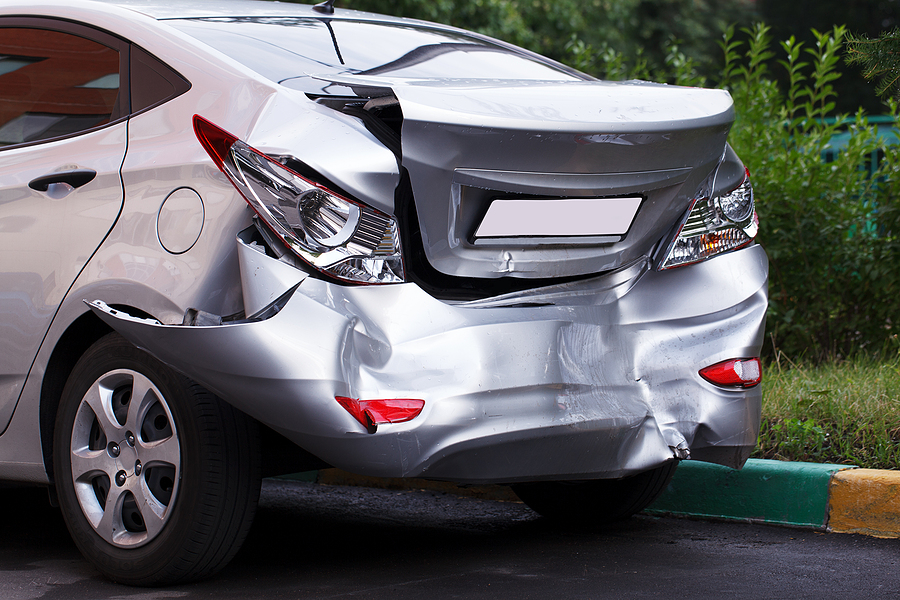
Can You Sell a Non-Totaled Wrecked Car?
Yes. An insurance company’s total loss decision only affects your claim payout—it has no bearing on whether you’re allowed to sell your car privately or to a dealer. Once you own the vehicle outright (or have paid off any lienholder), you’re free to sell it as-is.
That said, disclosure rules vary by state. Most states require sellers to inform buyers of known structural or safety-related damage, even if the title itself isn’t branded “salvage” or “rebuilt.” Check with your state’s BMV or DMV for exact requirements before listing your car.
How Insurance Determines Total Loss
Insurers typically total a vehicle when repair costs reach somewhere between 70% and 80% of its actual cash value, though the exact percentage depends on your insurer and state regulations. For example, a car valued at $2,000 that would cost $3,500 to repair would likely be declared a total loss, since repairs far exceed the car’s worth.
A car can sustain serious damage and still land below that threshold. An older, lower-value vehicle might get totaled over relatively minor damage, while a newer or higher-value car could absorb more significant repair costs and still be deemed repairable.
Steps to Sell a Non-Totaled Wrecked Car
Selling a wrecked car takes a bit more care than a routine sale. These steps help protect you and keep the transaction honest.
Get a Pre-Sale Inspection
Before listing your car, have a mechanic assess the full extent of the damage. This gives you an accurate picture of the car’s condition and helps you price it fairly.
Disclose All Known Damage
Be upfront with buyers about the accident, the repairs made (or not made), and any lingering issues. Transparency builds trust and protects you from disputes—or legal liability—down the road.
Choose Your Sale Method
Decide whether a private sale, dealer trade-in, or junk car buyer makes the most sense for your situation. Each comes with different tradeoffs in price, speed, and effort.
Handle the Title and Paperwork
Make sure your title is accurate and free of liens before the sale. Draft a signed bill of sale noting the vehicle is sold “as-is,” and complete any required release-of-liability or ownership transfer paperwork with your state once the sale is final.
Where to Sell Your Wrecked Car
Private Buyers
Selling directly to another individual often brings the highest sale price, but it also requires more time, photos, and buyer vetting.
Used Car Dealers
Some dealers specialize in purchasing damaged or high-mileage vehicles for resale or parts. This route is faster than a private sale, though offers are typically lower.
Junk Car Buyers
If your car’s damage makes a traditional sale impractical, local junk car buyers offer quick cash with minimal paperwork—often picking up the vehicle directly from your home.
Online Platforms
Listing on online marketplaces widens your pool of potential buyers, which can help you find the right offer faster.
Important Legal and Financial Considerations
Disclosure laws and title branding rules differ by state, so confirm your state’s specific requirements before finalizing a sale. If your car previously received a salvage or rebuilt title, that status stays attached to the vehicle and must be disclosed to any buyer.
If you’re considering a tax deduction for your wrecked car, know that personal vehicle losses typically don’t qualify—consult a tax professional for guidance specific to your situation. Before the sale closes, cancel your insurance only after the transfer is complete, remove your license plates per your state’s rules, and keep a copy of your signed bill of sale for your records.
FAQ
Can I sell a car with a salvage title?
Yes, cars with salvage titles can be legally sold, but you must disclose the title status to any buyer. Some states require a rebuilt title and passed inspection before the car can be driven again.
Do I have to disclose damage to buyers?
In most states, yes. Sellers are generally required to disclose known structural or safety damage, even if the insurance company didn’t total the vehicle.
What’s the difference between salvage and rebuilt titles?
A salvage title indicates a vehicle was declared a total loss or sustained significant damage. A rebuilt title means that salvage vehicle has since been repaired and passed the inspection required to be driven legally again.
Sell Your Wrecked Car With Confidence
A wrecked car that wasn’t totaled by insurance can still be sold—you just need to handle disclosure and paperwork carefully. Whether you choose a private buyer, a dealer, or a quick cash sale, being upfront about your car’s condition protects you and builds buyer trust.
If you’re in Indianapolis and want a fast, hassle-free way to sell your wrecked car, Zore’s Junk Cars offers quick cash offers with no complicated paperwork. Reach out today to see what your vehicle could be worth.
Related Posts:
Uninsured Car Accidents: What You Need to Know
On the Road with Risk: Dealing with Uninsured Car Accidents
Should I Try to Sell My Old, Wrecked Vehicle?