
That number on your dashboard tells a story—but it doesn’t tell the whole story. Your odometer reading is one of the first things buyers, dealers, and even junk car buyers look at when sizing up a vehicle. And yet, it’s one of the most misunderstood metrics in the used car world.
Whether you’re looking to sell, trade in, or just want to know what your car is worth, this guide breaks down exactly how mileage affects vehicle value—and what else you should factor in.
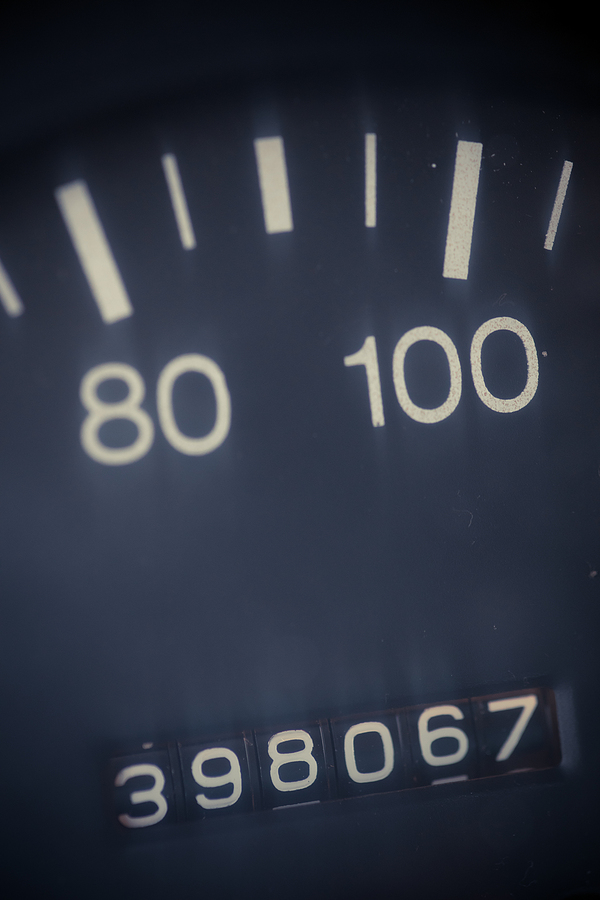
What an Odometer Reading Actually Means
An odometer measures the total cumulative distance a vehicle has traveled, typically in miles. It’s a direct record of use—how many times the engine has fired up, how many rotations the wheels have made, and how much strain the drivetrain has absorbed over the years.
According to Kelley Blue Book and the U.S. Federal Highway Administration, the average American drove approximately 12,200 miles in 2023. That figure serves as a useful benchmark. A vehicle with mileage significantly above or below that annual average will raise questions from any prospective buyer.
How High Mileage Impacts Resale Value
High mileage has a direct and measurable impact on what a car is worth. Used car valuation data shows that for every 10,000–15,000 miles beyond the average, a vehicle’s value typically declines by around 5%–10%. A 5-year-old car with 160,000 miles on the clock can sell for 20%–30% less than an identical model sitting at under 100,000 miles.
The Psychology of High Mileage
Even when a high-mileage car is in excellent mechanical shape, buyers tend to perceive it as riskier. That hesitation often drives the price down, regardless of the vehicle’s actual condition. Sellers of high-mileage cars frequently face pressure to price aggressively just to attract interest.
Mechanical Wear and Tear
The practical concern behind that psychology is real. High-mileage vehicles are more likely to need expensive repairs—things like timing belt replacements, fuel pump failures, and worn suspension components. According to Consumer Reports, these costs should be factored into any buying or selling decision. The more miles a car has accumulated, the shorter its remaining lifespan is likely to be, and buyers price that risk accordingly.
Low Mileage: Not Always a Golden Ticket
It’s tempting to assume that fewer miles automatically equals a better car. That’s not always the case.
The Risks of Inactivity
A vehicle that has been sitting unused for long stretches can develop its own set of problems. Rubber seals and gaskets dry out and crack. Tires develop flat spots. Fluids degrade without regular circulation. Batteries lose their charge. A car that has barely moved in five years may look great on paper but require significant work before it’s reliably road-worthy.
Very low mileage can also signal something worth investigating. As Consumer Reports’ lead automotive technician Michael Crossen notes, “If the mileage seems unusually low or unusually high for the car’s age, it may be too good a deal”—a potential red flag for odometer tampering or undisclosed issues.
Finding the Sweet Spot
Buyers generally prefer a car that’s been driven regularly and maintained consistently over one that’s been parked and neglected. A moderately driven vehicle with a clean service history often represents a better value than a low-mileage car with gaps in its maintenance records.
Factors Beyond Odometer: A Holistic View of Car Value
The odometer is important, but it’s one variable among many. Here’s what else shapes a vehicle’s market value.
Vehicle Condition and Maintenance History
A well-documented service history can significantly offset concerns about higher mileage. Regular oil changes, timely brake work, and adherence to the 30-60-90 maintenance rule—which calls for specific servicing at 30,000, 60,000, and 90,000 mile intervals—signal a car that’s been cared for. That documentation can translate directly into a higher sale price.
Make, Model, and Market Demand
Not all cars lose value at the same rate. Japanese sedans from brands like Toyota and Honda tend to hold their value well into high mileage thresholds—Toyota Sequoias and Land Cruisers have been known to exceed 250,000–300,000 miles with proper maintenance. Diesel trucks similarly retain value better than sports cars or luxury sedans, which can lose 10%–15% of their value per 10,000 miles driven.
Additional Features and Upgrades
Safety technology, fuel efficiency, and modern features all influence how buyers perceive a vehicle. Jennifer Stockburger, Director of Operations at Consumer Reports’ Auto Test Center, points out that newer vehicles—even those with higher mileage—often command more interest because they include advances like automatic emergency braking, electronic stability control, and backup cameras that older models simply lack.
Debunking Odometer Myths
Myth: All High-Mileage Cars Are Bad
This one’s worth putting to rest. A high-mileage car from a reliable brand, with a clean maintenance record, can be a far better investment than a low-mileage vehicle that’s been neglected. Honda Pilots, for instance, have a 42.7% chance of reaching 250,000+ miles according to iSeeCars—nearly four times the average. Mileage alone doesn’t tell you whether a car is good or bad.
Myth: Low Mileage Guarantees Perfection
A car with 20,000 miles on a 10-year-old frame has still aged. The rubber, the fluids, the battery, and the seals have all been exposed to time—regardless of how little the car has been driven. Age and mileage are two different things, and both matter.
Maximizing Your Car’s Value, Regardless of Odometer
If you’re thinking about selling, there are steps you can take to get the most out of your vehicle—no matter what number sits on your odometer.
Stay on Top of Regular Maintenance
Keeping up with oil changes, fluid flushes, brake inspections, and tire rotations protects both the vehicle and its value. Deferred maintenance compounds quickly and shows up as wear that buyers will use to negotiate your price down.
Keep Detailed Records
Every receipt, every service log, every repair invoice adds credibility. A thick folder of maintenance records says to a buyer: this car has been taken care of. That reassurance has real monetary value.
Know When to Sell
There’s a natural tipping point where continued investment in an aging, high-mileage vehicle no longer makes financial sense. If repairs are piling up and resale value has dropped significantly, selling—even to a junk car buyer—may be the smartest financial move you can make.
FAQ: Your Odometer Questions Answered
What mileage is considered high for a used car?
Generally speaking, anything above 12,000–15,000 miles per year of age is considered above average. A 5-year-old car with more than 75,000 miles is typically viewed as higher mileage, though reliability varies widely by make and model.
Does a high odometer reading automatically lower my car’s value?
Not always. Mileage is one factor among many. A high-mileage car with detailed maintenance records and a strong reliability reputation may hold its value better than a low-mileage car with a spotty service history.
Can I sell a high-mileage or junk car?
Yes. Even if your car’s mileage has made it difficult to sell privately, junk car buyers like Zore’s Junk Cars purchase vehicles in all conditions—high mileage, non-running, or otherwise damaged.
Does age or mileage matter more when valuing a car?
Both play a role. Consumer Reports’ experts lean toward newer vehicles, even with higher mileage, because of modern safety advances. However, the best indicator of value is always the car’s overall condition and maintenance history.
What is the 30-60-90 rule?
It’s a preventative maintenance guideline suggesting specific service checks at 30,000, 60,000, and 90,000 miles—covering items like filters, fluids, belts, and spark plugs. Following it helps preserve long-term vehicle value.
Your Odometer Is One Piece of the Puzzle
Mileage matters—but it doesn’t define your car’s entire story. A well-maintained vehicle with 120,000 miles can be worth far more than a neglected one with 40,000. The full picture includes condition, service history, make, model, age, and market demand.
If your car has hit the end of that picture, Zore’s Junk Cars makes it simple to move on. Get a free offer today, and we’ll come to you—cash in hand, towing included.
Related Posts:
How Scrap Metal Weight Determines Your Junk Car’s Cash Value
Protect Your Wallet: 5 Costly Car Repairs You Need to Know About
Unlocking Value: Your Guide to Total Loss Vehicles and Auto Salvage