
Saying goodbye to a trusty old vehicle can feel a bit bittersweet. However, letting a broken-down car sit in your driveway indefinitely only leads to rust, fluid leaks, and neighborhood complaints. When repair costs exceed the actual value of your vehicle, selling it to an auto salvage yard becomes the most logical step. It provides a straightforward way to clear up space and put some extra money in your pocket.
But how exactly do junk car buyers decide what your vehicle is worth? While the make, model, and condition matter, the primary factor driving that final cash offer is scrap metal weight.
This guide explains exactly how auto salvage yards calculate the value of your vehicle based on its weight. You will learn the difference between heavy steel parts and highly valuable non-ferrous components, ensuring you know exactly what to expect when you finally request a quote.
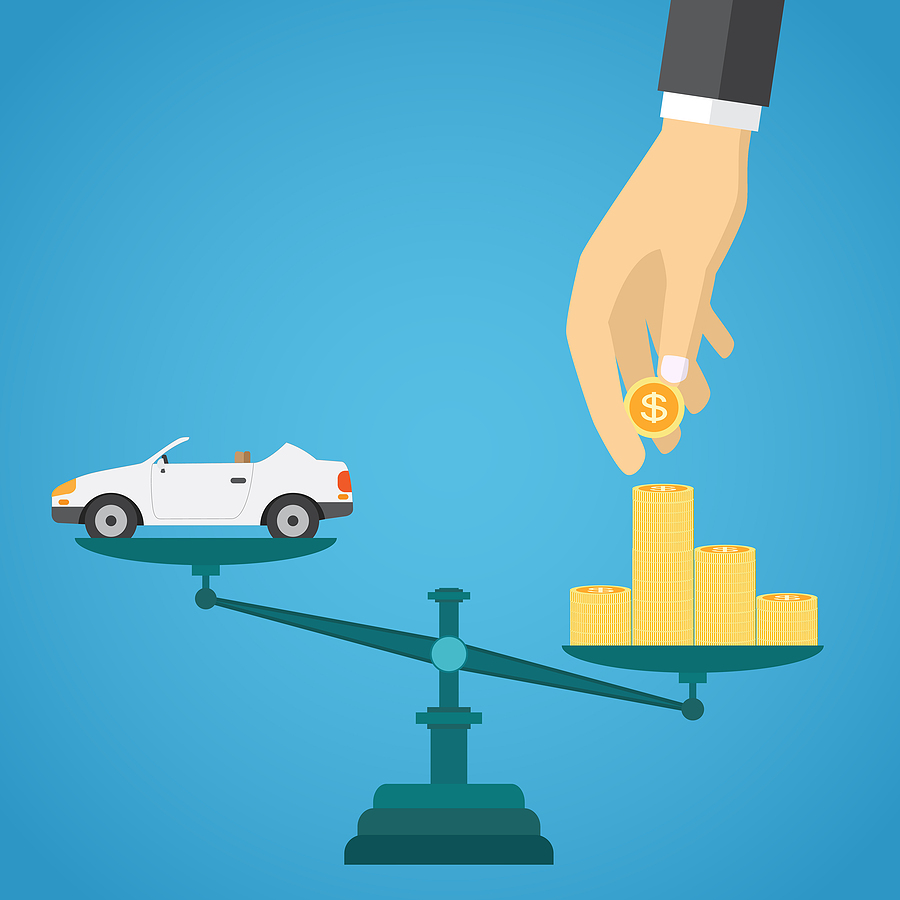
The Basics of Car Scrapping: What Happens to Your Old Vehicle?
Why Scrap Your Car? Environmental and Financial Benefits
Scrapping a car does more than just boost your bank account. It plays a critical role in environmental preservation. Recycling scrap metal uses significantly less energy than mining and refining new ore. When you sell your junk car, salvage yards carefully drain hazardous fluids—like oil, coolant, and transmission fluid—preventing them from seeping into local soil and waterways.
Financially, it transforms a useless, depreciating asset into immediate cash. Instead of paying insurance and registration fees for a car you cannot drive, you get paid to have it removed.
How Salvage Yards Evaluate Junk Cars
Auto recyclers look at vehicles differently than traditional used car buyers. They are less concerned about minor dents or a torn interior and highly focused on the raw materials inside.
Salvage yards calculate a car’s value by estimating the usable parts and the total tonnage of scrap metal. With the average passenger car weighing around two tons, buyers multiply that weight by current market scrap prices. Because metal markets fluctuate daily based on supply and demand, the exact offer you receive can vary depending on when you choose to sell.
Decoding Scrap Metal Weight: More Than Just the Scale
Not all metals are created equal. A vehicle is a complex machine made from various materials, each commanding a drastically different price at the local auto salvage yard. Junk car buyers categorize these materials into two main groups: ferrous and non-ferrous metals.
Ferrous Metals: The Heavy Hitters
Ferrous metals contain iron, making them magnetic and highly susceptible to rust. In the automotive world, steel and cast iron fall into this category.
Steel typically makes up roughly 65% of an average vehicle’s total weight. It forms the frame, body panels, and chassis. Because ferrous metals are so abundant, they fetch a lower price per pound. However, their sheer volume means they still account for a substantial portion of your car’s total scrap value.
Non-Ferrous Metals: The Higher Value Components
Non-ferrous metals do not contain iron, meaning they resist corrosion and are significantly lighter. These include aluminum, copper, brass, and platinum.
While these metals make up a much smaller percentage of a car’s total weight, they are incredibly valuable. Salvage yards and junk car buyers pay a premium for non-ferrous materials because they are highly sought after in manufacturing. A few pounds of copper wiring can sometimes equal the value of several hundred pounds of heavy sheet metal.
Key Components Contributing to Scrap Weight
Certain parts of your car heavily influence the final appraisal. The engine block and transmission are massive chunks of metal—often cast aluminum or iron—that add significant weight and value.
Catalytic converters are another highly prized component. They contain precious metals like platinum, palladium, and rhodium, which filter exhaust emissions. Additionally, copper wiring harnesses, aluminum alloy wheels, and lead-acid batteries all contribute to the overall profitability of the scrapped vehicle.
Maximizing Your Payout: Tips for Getting the Most for Your Junk Car
Preparing Your Car for Scrapping
You want to get the highest possible cash offer for your vehicle. Start by removing all personal belongings from the cabin and trunk. If you have recently installed brand-new tires, a high-end stereo system, or a fresh battery, you might want to remove and sell those separately. Keep in mind that stripping too many essential parts—like the engine or catalytic converter—will drastically lower the salvage yard’s offer, as you are removing the most valuable scrap metal weight.
Choosing the Right Salvage Yard
Not every junk car buyer operates with the same level of integrity. Some companies will quote you a high price over the phone, only to deduct hefty towing fees once they arrive.
Always look for an established, fully-licensed salvage yard with transparent pricing. Read local reviews and confirm that they pay cash on the spot. A reputable junk car buyer will clearly explain their evaluation process and stick to the price they promised.
Frequently Asked Questions about Scrapping Junk Cars
Do all car parts contribute to scrap metal weight?
No. Non-metal components like plastic dashboards, rubber tires, glass windows, and fabric seats do not hold scrap metal value. In fact, salvage yards must carefully separate and dispose of these materials. The cash offer you receive is based strictly on the recoverable metal components.
How is the value of different metals determined?
Metal values are dictated by global commodity markets. Factors like international trade, construction demands, and supply chain constraints cause daily price fluctuations. Aluminum and copper always command higher prices per pound than standard steel due to their scarcity and manufacturing demand.
Can I scrap a car without a title?
This depends entirely on your local laws and the specific salvage yard’s policies. Many reputable buyers require a valid vehicle title to prove ownership and prevent the sale of stolen cars. If you have lost your title, you can usually request a duplicate from your local Bureau of Motor Vehicles (BMV) before scheduling a pickup.
Turn Your Junk Car into Cash Today
Selling your junk car is an excellent way to reclaim your driveway and instantly boost your finances. By knowing how scrap metal weight and specific materials influence your vehicle’s value, you can approach the selling process with confidence. Heavy steel provides the base value, while precious non-ferrous metals like copper and aluminum maximize your final payout.
Ready to turn that old vehicle into immediate cash? Zore’s Junk Cars pays top-dollar for anything motorized regardless of its age, make, model, or condition. There are never any hidden fees or surprise deductions. We offer free haul-away, so all you have to do is call! Request a free offer today and let our Indianapolis junk car buyers handle the rest.
Related Post: Tips for Selling Your Automotive Scrap Metal