Selling a Junk Car in Indy? Don’t Fall for These 5 Myths

Having an old, broken-down vehicle taking up space in your driveway can be a major source of stress. You want it gone, but the thought of dealing with buyers, paperwork, and tow trucks often feels overwhelming. For many vehicle owners in Indianapolis, misinformation makes the process seem far more complicated than it actually is.

These common misconceptions prevent people from turning their unwanted vehicles into usable cash. You might assume your car is too damaged to be worth anything, or worry that local junkyards will hit you with hidden fees. However, the auto salvage industry has evolved significantly, offering straightforward, secure solutions for getting rid of your clunker.

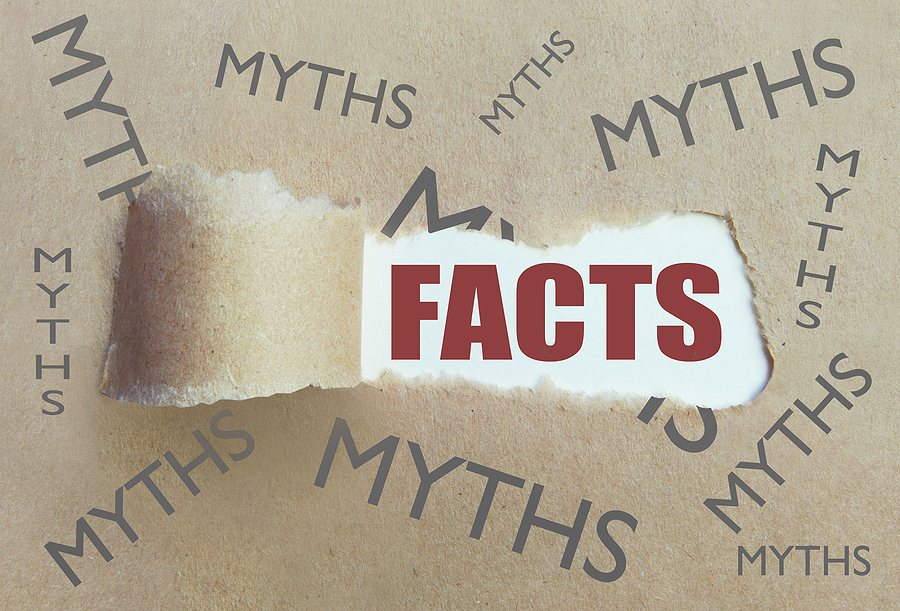
This post will debunk the most pervasive myths about getting rid of scrap vehicles. By learning the facts, you can confidently clear up your property, avoid common pitfalls, and ensure you get a fair payout for your vehicle.

Junk Car Selling Myths

Myth 1: My Car is Too Old/Damaged to Sell

Many people look at a severely rusted, non-running vehicle and assume it is completely worthless. You might think that because it cannot safely drive down I-465, no one will want to buy it.

The Truth About “Junk” Cars

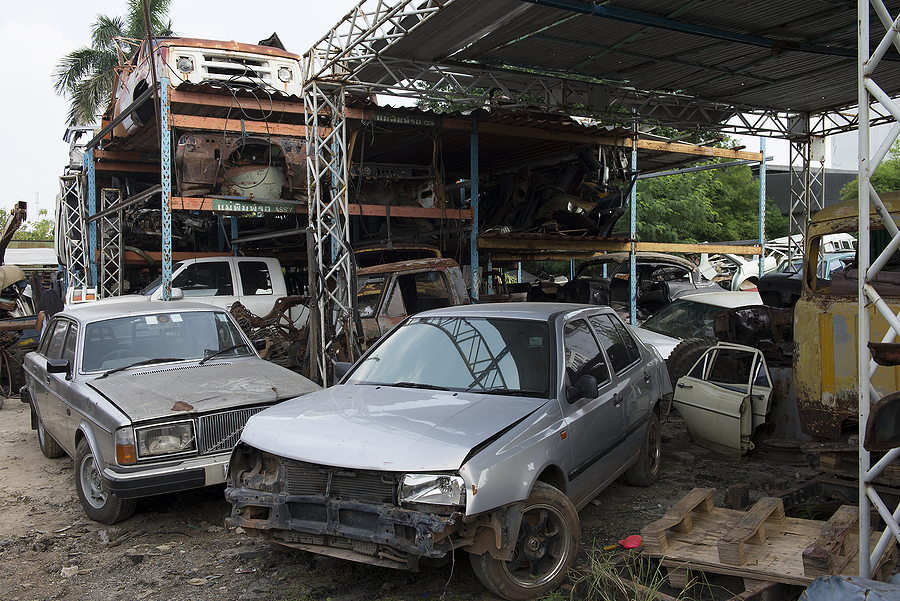
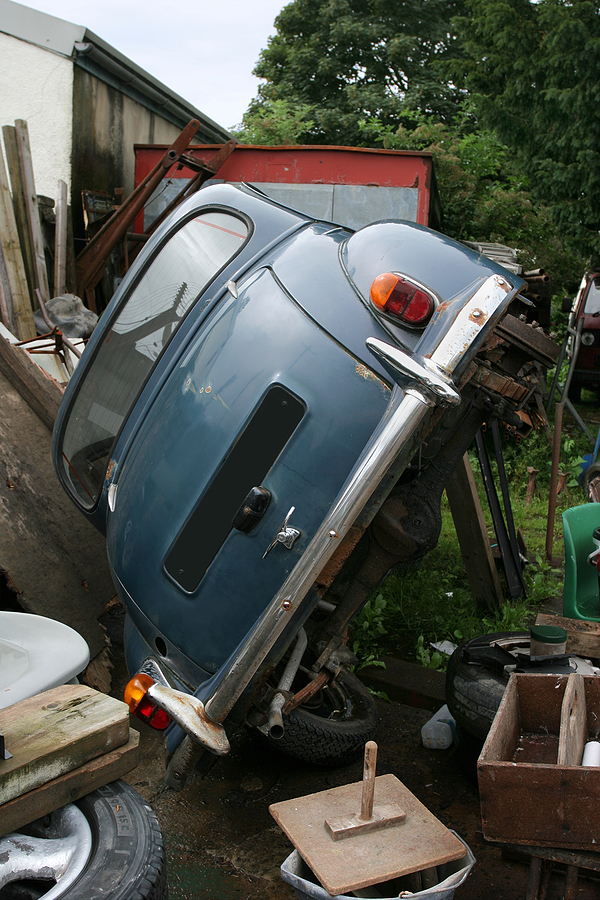
The auto recycling industry operates on a completely different set of standards than a traditional used car dealership. Buyers who specialize in salvage vehicles do not care if the engine is blown, the transmission is slipping, or the body is heavily dented. They purchase vehicles specifically to recycle them. Every vehicle, no matter how deteriorated, has intrinsic value due to the materials it contains.

What Car Buyers Really Look For

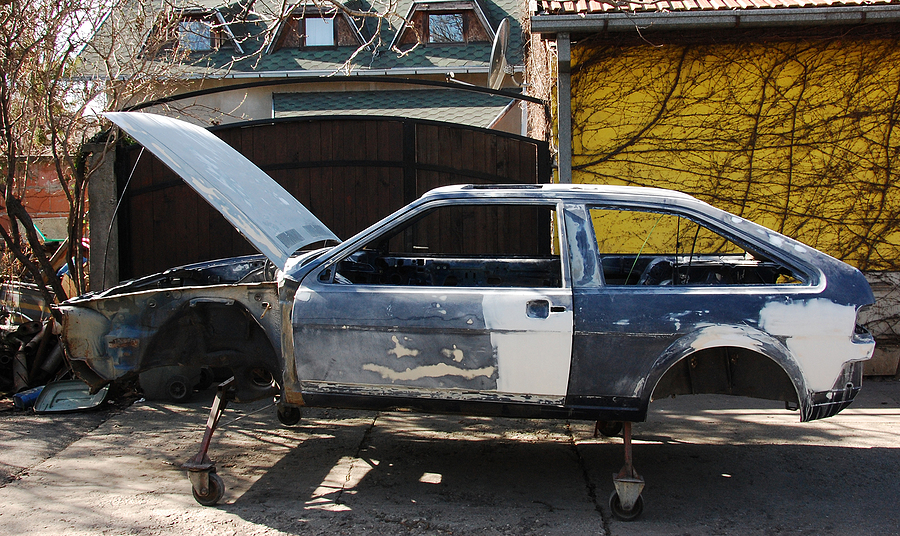
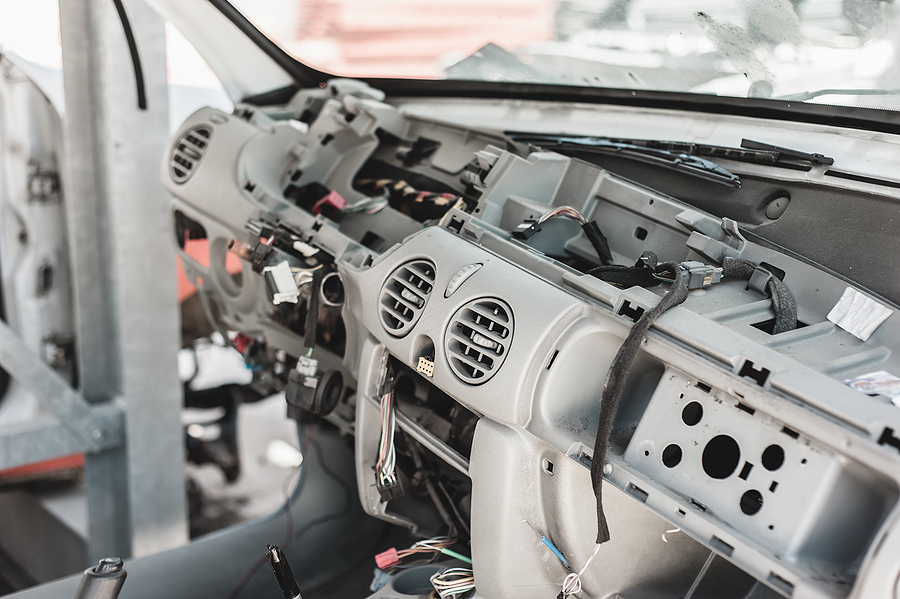
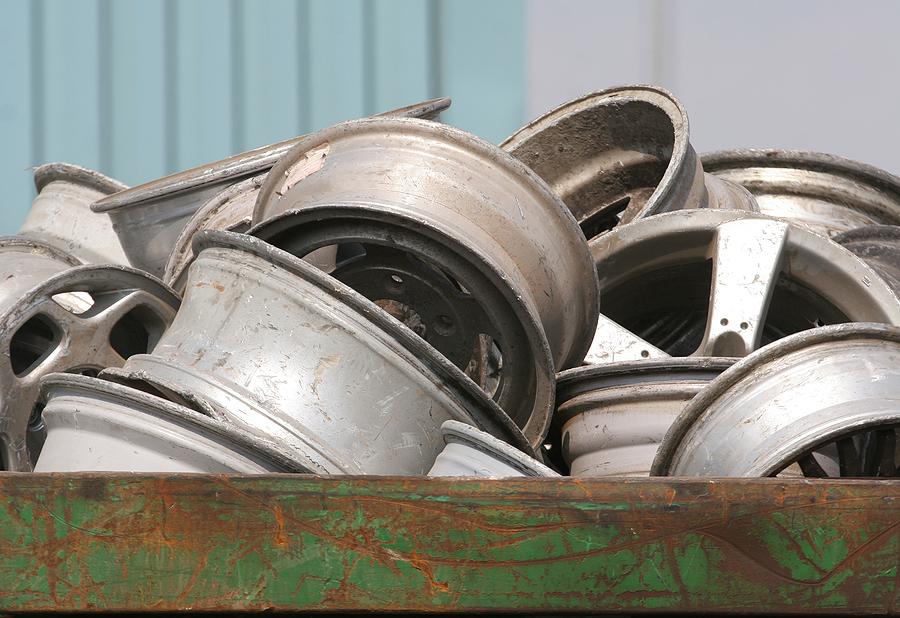
Salvage yards evaluate your car based on its raw materials and salvageable components. The heavy steel frame, aluminum parts, and even the catalytic converter contain valuable metals that are consistently in demand on the scrap market. Additionally, a car with a ruined engine might still have a perfectly intact set of doors, unblemished glass, or a functioning alternator. Professional buyers assess the overall weight and usable parts, ensuring that even a total loss can result in a cash payout.

Myth 2: I’ll Get Scammed Selling to a Junkyard

Stories of shady tow truck drivers and bait-and-switch pricing make many sellers hesitant to contact a salvage yard. It is a valid concern, as unscrupulous operators do exist in every industry.

Reputable Buyers Exist

You do not have to settle for dishonest buyers. Indianapolis is home to established, fully licensed auto recycling facilities that have served the community for decades. Companies with deep roots in the area prioritize transparent transactions and fair customer service. When you work with a trusted, long-standing local junk car buyer, you receive an honest quote without the anxiety of high-pressure sales tactics.

Protecting Yourself from Scams

To protect your financial interests, always do a bit of research before agreeing to a sale. Request a firm quote over the phone and confirm that the company will not charge you for towing. A common scam involves offering a high price initially, only to deduct a massive “hauling fee” once the truck arrives. Ask direct questions, check online reviews, and only hand over your keys and title when you have the agreed-upon cash in your hand.

Myth 3: Selling a Junk Car is a Long and Difficult Process

If you have ever tried selling a used car on a digital marketplace, you know the frustration of answering endless messages, coordinating test drives, and dealing with flaky buyers. Many assume selling a junk car involves the same exhausting timeline.

Streamlined Selling Options

Professional salvage yards have perfected the art of the quick transaction. The process usually begins with a brief phone call where you provide basic details about your vehicle’s make, model, and condition. You receive an instant offer. If you accept, the company handles all the logistics. You do not have to write a clever listing, take perfectly lit photos, or negotiate with strangers over a period of weeks.

Required Documentation Made Easy

While the paperwork process intimidates some sellers, it is actually quite simple. In most cases, all you need is your valid photo ID and the clear vehicle title to prove ownership. Established buyers will walk you through exactly where to sign to ensure the legal transfer of ownership goes smoothly, protecting you from future liability.

Myth 4: I Need to Fix My Car Before Selling It

When preparing a house or a standard used car for sale, fixing glaring issues is standard practice. Applying this logic to a junk car, however, is a massive mistake that will drain your wallet.

Selling As-Is: The Benefits

Salvage buyers expect your car to have major mechanical or cosmetic defects. Selling your vehicle exactly as it sits saves you a tremendous amount of time, energy, and money. You do not need to replace the tires, fix a cracked windshield, or detail the interior. The buyer is going to dismantle and recycle the vehicle anyway, meaning cosmetic improvements offer zero return on investment.

When Repairs Aren’t Worth It

Pouring money into a failing vehicle is a classic sunk cost fallacy. If a repair bill exceeds the total value of the car, it is time to let it go. Spending $1,500 on a new transmission for a vehicle that is only worth $800 in scrap value simply does not make financial sense. Keeping the car as-is and collecting cash is the smartest financial decision.

Myth 5: I Won’t Get Good Money for My Junk Car

Because the vehicle no longer serves its primary purpose of transportation, owners often assume they will only receive a few pennies for their trouble. Some even think they have to pay a company to haul it away.

Factors Influencing Your Car’s Value

Your payout depends on several concrete variables rather than arbitrary guessing. The primary factor is the current market rate for scrap metal, which fluctuates based on global supply and demand. Heavier vehicles like trucks and SUVs contain more steel, generally yielding a higher payout. The specific make and model also matter; cars with highly sought-after parts can command premium prices.

Getting the Best Price for Your Junk Car

To maximize your payout, bypass the middlemen and sell directly to a local, established auto recycler. National chains often outsource the towing and take a cut of the profits, leaving you with a smaller check. A local scrap car buyer with an in-house towing fleet has lower overhead costs and can pass those savings directly to you.

Frequently Asked Questions (FAQ)

Do I need a title to sell my junk car in Indianapolis?

Yes. According to Indiana Bureau of Motor Vehicles (BMV) regulations, you must possess a clear certificate of title to legally sell or scrap a motor vehicle. If you have misplaced your title, you will need to apply for a duplicate through the BMV before completing the sale.

How quickly can I get cash for my junk car?

With a reputable local buyer, the turnaround time is incredibly fast. Most companies can provide a quote over the phone instantly and dispatch a tow truck to your location on the exact same day, putting cash in your hand within hours.

What if my car isn’t running?

That is completely fine. Top-tier salvage buyers provide complimentary towing services specifically for this reason. They have the equipment required to safely extract and haul away vehicles that cannot start, steer, or roll.

Turn Your Clunker Into Instant Cash

Clearing out an unwanted vehicle shouldn’t be a source of anxiety. Now that you know the truth behind the auto salvage process, you can move forward with confidence and reclaim your driveway space. You don’t have to fix a thing, and you certainly don’t have to settle for less than your vehicle is worth.

Sell your junk car for cash on the spot in Indianapolis. Zore’s Junk Cars pays top-dollar and provides free haul-away. Give us a call today to secure a fair quote and experience a truly hassle-free transaction.

Get a Free Junk Car Quote

Related Post: Junk Car Towing: What You Need to Know Before Scrapping an Old Vehicle

Why U.S. Demand for Recycled Steel and Aluminum is Soaring

Scrap metal lying in a junkyard or an empty soda can resting in a recycling bin might look like trash. However, these discarded items represent a vital resource for our modern economy. The U.S. recycled metal market is experiencing massive growth, fueled by a renewed focus on sustainability and industrial efficiency.

Understanding how recycled metals affect our environment and economy is crucial for building a more sustainable future. The recycled metal market reached an impressive $128.1 billion in 2024 and is projected to grow consistently over the next decade. This surge is largely driven by industries recognizing the immense value of repurposing materials instead of extracting raw ores from the earth.

By exploring the current trends in the steel and aluminum markets, you will see exactly why these metals are in such high demand. You will also learn how everyday recycling habits and industrial shifts are creating a cleaner, more efficient supply chain.

Recycled Steel and Aluminum

The Eco-Friendly Choice: Why Recycled Steel and Aluminum Matter

Choosing recycled metals is a powerful way to protect our natural resources. Mining raw materials takes a heavy toll on the environment, but recycling provides a much gentler alternative.

Environmental Benefits of Metal Recycling

Recycling metals drastically reduces the energy required for manufacturing. Processing recycled aluminum saves up to 95% of the energy needed to produce new aluminum from raw ore. Similarly, recycling steel conserves about 56% of the energy compared to producing virgin steel. These energy savings directly translate to lower greenhouse gas emissions, helping combat climate change and preserving local ecosystems.

Economic Advantages of Using Recycled Materials

Beyond the environmental perks, recycled metals offer serious financial benefits. Utilizing scrap metal helps manufacturers lower production costs, stabilizing supply chains against the volatile prices of raw mining. The aluminum recycling market alone reached $54.5 billion in 2023 and is projected to climb toward $91.3 billion, proving that sustainability is highly profitable.

Steel’s Strong Comeback: Demand Drivers and Market Trends

Steel has always been the backbone of American infrastructure. Today, recycled steel is taking center stage as industries look to reduce their carbon footprints without sacrificing structural integrity.

Automotive Industry’s Role in Recycled Steel Demand

The automotive sector is a major consumer of recycled steel. With roughly $6.1 billion spent annually on light-duty vehicle steel, automakers are increasingly relying on scrap metal to build the next generation of cars. As the market shifts toward electric vehicles (EVs), manufacturers are highly motivated to source “green steel” to ensure their entire production process aligns with environmental goals.

Construction Sector’s Need for Sustainable Steel

Builders and developers are heavily reliant on recycled steel to meet modern environmental standards. For instance, the U.S. Green Building Council requires a default value of 25% recycled content for steel products to qualify for LEED certification. This requirement pushes construction firms to prioritize recycled steel for everything from commercial skyscrapers to residential framing.

Steel Recycling Innovations and Future Outlook

The future of steel recycling looks promising, with new technologies making the process cleaner and more efficient. Hydrogen-based green steel production is expected to reach 46 million tons by 2035. As mill capacities expand across the U.S., the demand for high-quality ferrous scrap will continue to rise.

Aluminum’s Enduring Appeal: Lightweight, Versatile, and In-Demand

Call 317-450-3721 for Car Rim Recycling in Indianapolis

Aluminum is prized for its lightweight nature and infinite recyclability. It is a critical component in countless consumer and industrial products.

Beverage Can Recycling: A Circular Economy Success Story

The aluminum beverage can is one of the most successfully recycled items in the United States. While the current U.S. recycling rate sits around 43%, there is massive potential for improvement. If the recycling rate reached 70%, nearly 29 billion more cans would be recycled annually. This closed-loop system allows an old can to be melted down and returned to the grocery store shelf in just a few weeks.

Aerospace and Transportation: Fueling Aluminum Recycling

The aerospace and public transportation sectors demand materials that are both strong and exceptionally light. Recycled aluminum fits this need perfectly. Using recycled aluminum helps airline manufacturers and transit authorities reduce vehicle weight, which ultimately improves fuel efficiency and lowers operating costs.

Advanced Manufacturing and Aluminum’s Future

As advanced manufacturing techniques evolve, the reliance on recycled aluminum will only increase. Its high strength-to-weight ratio makes it indispensable for modern engineering, ensuring that scrap aluminum will remain a highly sought-after commodity for years to come.

The U.S. Market: Regional Demands and Opportunities

The demand for recycled metals varies by region, driven by local industries and infrastructure projects.

Key States and Industries Driving Recycling Efforts

States with strong manufacturing hubs, such as Indiana, play a massive role in the scrap metal ecosystem. Indiana’s robust automotive and industrial sectors create a continuous loop of supply and demand for recycled steel and aluminum. Local recycling centers process massive amounts of industrial scrap, directly feeding the foundries that supply major manufacturers.

Challenges and Solutions in the Domestic Recycling Landscape

While demand is high, the industry still faces challenges, such as shifting grade values and the need for better consumer recycling education. Upgrading sorting technologies at recycling facilities and standardizing municipal recycling programs are essential steps to capture more high-quality scrap metal.

Frequently Asked Questions

Is recycled metal as strong as new metal?

Yes. Recycled steel and aluminum retain their exact elemental properties during the melting and reforming process. A steel beam made from recycled scrap is fundamentally identical in strength and durability to one made from virgin iron ore.

How does recycling metals save energy?

Recycling saves energy by entirely skipping the mining, transportation, and refining of raw ores. Melting down existing scrap metal requires a fraction of the heat and electricity needed to process virgin materials.

What happens to recycled steel and aluminum?

Once collected, scrap metal is sorted by type, shredded, and melted in large furnaces. The molten metal is then purified and poured into molds to create ingots or sheets, which are sold to manufacturers to build new cars, buildings, appliances, and beverage cans.

A Sustainable Future For Metals

The appetite for recycled steel and aluminum in the U.S. is stronger than ever. From the cars we drive to the buildings we work in, repurposed metals are essential to our modern way of life. By supporting the scrap metal industry, we reduce energy consumption, protect natural landscapes, and build a more resilient economy. Embracing this circular approach ensures that we can meet our industrial needs without depleting the earth’s vital resources.

Recycle Your Old Vehicles and Auto Parts

You can play a direct role in supporting the recycled metal market. If you have an old vehicle, broken appliance, or scrap auto parts taking up space, turn them into valuable resources. Recycle your old vehicles and auto parts at Zore’s Junk Cars in Indianapolis. We offer free towing and pay cash on the spot. Contact us today to safely dispose of your scrap metal and put money right back into your pocket.

Get a Free Junk Car Quote

Related Post: Comprehensive Guide to Scrap Metal Prices: From Aluminum to Zinc

Selling a Junk Car in Indiana? Your Complete Vehicle Title Guide

You’ve finally decided to let go of that old clunker taking up space in your driveway. The tires are flat, the engine hasn’t turned over in years, and frankly, you’re tired of mowing around it. Getting cash for that vehicle sounds fantastic, but then the panic sets in: Where is the title? Do I even have the right paperwork to sell it legally?

Navigating the Bureau of Motor Vehicles (BMV) requirements can feel overwhelming, especially when you are dealing with a vehicle that isn’t exactly road-worthy. You might worry that missing paperwork will leave you stuck with the car forever, or worse, liable for a vehicle you no longer own.

The good news is that Indiana has clear procedures for handling these exact situations. Whether your car is totaled, abandoned, or simply worn out, understanding the specific title laws in the Hoosier state is the key to a smooth, legal sale. This guide breaks down exactly what you need to know about junk car titles, ensuring you can move forward with confidence—and hopefully, a little extra cash in your pocket.

Call 317-450-3721 to Sell Your Junk Via Title Transfer in Indianapolis

What is a “Junk Car Title”?

When we talk about a “junk car title,” we are often using a catch-all term for a few different legal designations. A standard, or “clean,” title indicates a car is safe to drive and hasn’t suffered significant damage that would total it. However, once a vehicle reaches the end of its life or suffers catastrophic damage, its legal status often changes.

In Indiana, this usually falls under the umbrella of a Salvage Title. This document serves as a warning label to future buyers that the vehicle has been extensively damaged or deemed a total loss by an insurance company. It ensures transparency in the used car market and prevents unsafe vehicles from being sold as pristine automobiles.

Common Scenarios Requiring a Salvage Title

Several situations might necessitate changing a vehicle’s status from clean to salvage:

  • Total Loss: An insurance company declares the repair costs exceed the vehicle’s fair market value (usually after a collision).
  • Flood Damage: The vehicle has sustained significant water damage.
  • Wrecked Vehicles: Cars manufactured within the last seven model years that have been wrecked or damaged to the point where they meet criteria for a salvage brand.

Indiana Laws and Regulations

Indiana takes vehicle branding seriously to protect consumers and regulate the recycling industry. The laws governing these titles are outlined in the Indiana Code, specifically under Title 9, Article 22.

According to state regulations, if you own a vehicle that fits the definition of a salvage motor vehicle—particularly those manufactured within the last seven model years—you are required to apply for a salvage title. This isn’t just a suggestion; it is a legal requirement to ensure the vehicle’s history is accurately recorded.

Furthermore, if you plan to dispose of a vehicle for scrap metal and cannot produce a title, Indiana law provides a specific pathway called a Certificate of Authority. This allows for the legal disposal of a vehicle without obtaining a new certificate of title, streamlining the process for cars destined for the crusher rather than the highway.

How to Obtain a Salvage Title in Indiana

If you need to obtain a salvage title before selling your vehicle, the process is handled through the BMV Central Office. It involves a bit of paperwork, but following these steps will help you avoid processing delays.

Step 1: Gather the required forms

You will need to complete the Application for Certificate of Title for a Vehicle (State Form 205). In addition, you must submit the Salvage Title Affidavit (State Form 49891). These forms verify the vehicle’s condition and your ownership.

Step 2: Prepare the fee

The application fee for a salvage title in Indiana is remarkably low—currently just $4.00. You can pay this via check, money order, or credit card (if using the appropriate payment collection form).

Step 3: Watch the clock

Timing matters. If you retain possession of a salvage vehicle after an insurance settlement, or if you purchase a salvage vehicle, you generally have 45 days to apply for the title. Missing this window can result in an additional $10 administrative penalty.

Step 4: Submit your packet

Unlike standard registration renewals which can often be done at a local branch or kiosk, salvage title applications are typically processed by mail. You will send your completed forms, proof of ownership (like the old title), and payment to the BMV Central Office in Indianapolis.

Selling a Junk Car with a Title

Selling a junk car is always easier when you have the title in hand. The title is the ultimate proof of ownership, and having it simplifies the transaction for everyone involved—especially the junk car buyer.

When you have the proper documentation:

  • Transferring Ownership: You simply fill out the “Transfer of Ownership” section on the back of the title. This includes the date of sale, the sale price, and the odometer reading (though for very old junk cars, mileage may be exempt).
  • Buyer Options: With a title, you have more options. You can sell to private buyers who might want the car for parts, specialized auto salvage yards, or even dealerships if the car still has some trade-in value.
  • Liability Release: Signing over the title legally disconnects you from the vehicle. If the car is later abandoned or involved in an incident, you have proof that you are no longer the owner.

Get an Offer for Your Junk Car in Indianapolis Now

Selling a Junk Car Without a Title

Life happens. Papers get lost, destroyed in floods, or accidentally thrown out during spring cleaning. If you need to sell a junk car but can’t find the title, you still have options, though the road is slightly more winding.

Option 1: Apply for a Duplicate Title

If you are the legal owner on record, the cleanest solution is often to apply for a Duplicate Title.

  • The Form: Submit State Form 205 (Application for Certificate of Title).
  • The Fee: A duplicate title costs $15.00.
  • The Timeline: Standard processing takes time, but if you are in a rush to sell, you can pay an extra $25.00 for a “speed title” to expedite the process.

Option 2: Certificate of Authority (For Scrap Only)

If the vehicle is truly “junk”—meaning it’s destined for the crusher and will never drive again—you might not need a full title. You can apply for a Certificate of Authority – Disposal of a Motor Vehicle (State Form 55018).

  • Purpose: This document grants you permission to sell, give away, or dispose of the vehicle for scrap metal.
  • Requirements: You must prove ownership (e.g., via registration or insurance settlement) and potentially show proof of lien release if there was a loan on the car.
  • The Fee: Like the salvage title, this application fee is $4.00.

What about a Bill of Sale?

While a Bill of Sale (State Form 44237) is excellent for your personal records, it is rarely sufficient on its own to transfer legal ownership of a vehicle in Indiana without an accompanying title or Certificate of Authority. Most reputable salvage yards will require one of the official BMV documents to accept the car.

Avoiding Scrap Car Title Issues

The best way to handle title stress is to prevent it before it starts. Here are a few proactive tips to keep your paperwork in order:

  • Store Documents Safely: Keep your title in a fireproof box or a secure file cabinet at home, not in the car’s glove compartment.
  • Address Liens Immediately: Once you pay off a car loan, ensure the bank sends you a lien release or a clean title immediately. Trying to track down a lien release from a bank that closed 10 years ago is a headache you don’t want.
  • Don’t Pre-Sign: Never sign the seller’s section of a title until you are actually exchanging the vehicle for cash. A “signed in blank” title can be stolen and used illegally.

Your Path to a Clutter-Free Driveway

Selling a junk car in Indiana doesn’t have to be a legal nightmare. Whether you are holding a clean title, applying for a salvage brand, or seeking a Certificate of Authority for disposal, the BMV has a process for you. By understanding these regulations and gathering the right documents—forms like the 205 or 55018—you protect yourself from liability and ensure a legitimate sale.

Don’t let a piece of paper stand between you and a reclaimed driveway. Take a look at your documents, choose the path that fits your situation, and turn that rusty burden into an asset.

Ready to turn that junk car into cash? If you are in the Indianapolis area and want to skip the headache of paperwork and negotiations, we can help. We offer free appraisals, free removal, and cash on the spot for junk cars, regardless of their condition. Contact Us Today for your free quote and let us handle the heavy lifting!

Call Now for Your Offer

Related Post: The Difference Between Rebuilt Car Titles and Salvaged Car Titles

Is It Time to Sell Your Junk Car? 5 Telltale Signs

That old car sitting in your driveway or garage holds memories. Maybe it was your first car, or the one you brought your kids home in. It’s understandable to feel attached, but holding onto a vehicle that no longer serves you can create more problems than it solves. Selling your junk car might be a smarter financial and practical decision.

Deciding to part with an old vehicle can be tough. It often represents a significant investment of time and money. However, a car that has reached the end of its useful life can quickly become a financial drain and a physical burden. Recognizing the signs that it’s time to let go can help you make a clear-headed choice, freeing up cash, space, and peace of mind.

This guide will walk you through five key indicators that it’s time to sell your junk car. We’ll explore the financial, environmental, and personal benefits of moving on and provide actionable steps for how to do it.

Call 317-450-3721 to Sell Your Junk Car Locally in Indianapolis

Top 5 Signs That Suggest it is Time to Scrap That Car

1. Your Car Needs Frequent, Costly Repairs

One of the most obvious signs that it’s time to part with your car is when repair bills start piling up. A vehicle that constantly needs fixing can quickly turn into a money pit, draining your bank account with no end in sight.

Think about this common scenario: you spend $800 to fix a transmission issue, only for the brakes to fail a month later. When the cost of repairs begins to approach or exceed your car’s actual junk car value, you are fighting a losing battle. Instead of pouring more money into a depreciating asset, selling it could provide you with cash to put toward a more reliable vehicle.

Continuing to repair an old car often provides only a temporary fix. Underlying issues can lead to a domino effect of mechanical failures. Before you authorize another expensive repair, calculate the total costs over the last year. If that number is surprisingly high, it’s a strong signal that it’s time for junk car removal.

2. It’s an Eyesore and a Neighborhood Concern

An old, rusting car doesn’t just take up space; it can become a significant eyesore on your property. What might start as a minor inconvenience can quickly escalate into a larger problem, affecting your home’s curb appeal and even your relationship with your neighbors.

Many municipalities have ordinances against keeping inoperable or unsightly vehicles parked on residential streets or even in private driveways. It’s not uncommon for homeowners to receive warning letters from the city or a homeowners’ association, demanding the vehicle be moved or repaired. These notices can come with deadlines and the threat of fines, adding legal pressure to an already stressful situation.

Beyond potential legal issues, a junk car can attract pests and become a safety hazard, especially for children who might see it as a plaything. If your old car is causing complaints or creating tension in your neighborhood, selling it to a car scrapping service is a simple solution.

3. You’re Paying More in Insurance Than It’s Worth

Car insurance is a necessary expense for any roadworthy vehicle, but it becomes a questionable cost for a car that rarely leaves the driveway. If your vehicle is sitting idle, you might still be paying monthly premiums for insurance you don’t truly need.

Consider this situation: your annual insurance premium is $600, but the car’s private sale value is only $400. In this case, you are spending more to insure the car than it is actually worth. Even with minimum liability coverage, the costs add up over time for a vehicle that provides no functional benefit.

While some classic cars may warrant storage insurance, a standard junk car does not. Canceling the insurance and registration on an unused vehicle can save you hundreds of dollars a year. That money could be better used elsewhere, and selling the car removes this unnecessary financial burden altogether.

Learn How Our Junk Car Selling Process Works

4. Your Car Has a Significant Environmental Impact

Older vehicles, especially those that are no longer in good working order, can pose a serious threat to the environment. As a car deteriorates, it can leak toxic fluids and release harmful materials into the surrounding area.

Fluids like oil, antifreeze, and transmission fluid can seep from a stationary vehicle into the ground. These chemicals can contaminate the soil and eventually make their way into local water sources, harming wildlife and posing risks to public health. Additionally, rusting metal parts can break off and litter your property, creating physical hazards.

Reputable junk car buyers and car scrapping facilities follow strict environmental regulations. They are equipped to safely drain all hazardous fluids and properly recycle scrap car parts. By choosing professional junk car removal, you ensure your vehicle is disposed of responsibly, minimizing its environmental footprint and protecting your local ecosystem.

5. You Need the Extra Cash and Space

Sometimes, the most compelling reason to sell your junk car is the simplest one: you could use the extra cash and space. An unused vehicle is a dormant asset, and unlocking its value can provide a welcome financial boost and open up new possibilities for your property.

Imagine what you could do with the money from selling your junk car. That extra cash could help fund a much-needed family vacation, go toward a home improvement project like a new patio, or simply pad your emergency savings account. In a time when every dollar counts, getting paid for something that is just sitting around is a smart move.

Reclaiming the space your junk car occupies can be just as valuable. A cleared-out garage could become a workshop or a home gym. An empty spot in the driveway makes parking easier for your family and guests. Freeing up that space can declutter your property and your mind, giving you a fresh start.

How to Sell Your Junk Car

Once you’ve decided to sell, the process is straightforward if you work with the right junk car buyers. Here are the basic steps:

  1. Gather Your Documents: Locate the vehicle’s title and your personal identification. Having these ready will streamline the sale.
  2. Get a Junk Car Quote: Contact reputable junk car removal services for an offer. Many provide instant quotes online or over the phone based on your car’s make, model, year, and condition.
  3. Schedule a Pickup: Once you accept an offer, the buyer will schedule a time for free junk car towing. They will come to your location to pick up the vehicle, often within a day or two.
  4. Complete the Paperwork & Get Paid: During the pickup, you will sign over the title. Ensure you get a receipt for the transaction. The buyer will then pay you the agreed-upon amount in cash.

Always verify that the buyer is a licensed and reputable service. This protects you from future liabilities and ensures the car is handled according to legal and environmental standards.

Reclaim Your Space and Boost Your Finances

Letting go of an old car can be a difficult decision, but the benefits often far outweigh the sentimental attachment. Selling your junk car frees you from the burden of costly repairs, neighborhood complaints, and unnecessary insurance payments. It’s an environmentally responsible choice that also provides you with extra cash and valuable space.

If you recognize any of these signs, it’s time to take the next step. Discover your junk car value today and see how easy it can be to turn your old vehicle into a new opportunity.

Get a Free Junk Car Quote

Related Post: How Do I Know If My Car is Totaled?

Common Myths About Selling Your Junk Car Debunked

That old car sitting in your driveway isn’t just taking up space; it’s also a source of confusion. Many people hold onto scrap cars for years, unsure of what to do with them. A big reason for this hesitation is the number of myths and misconceptions surrounding the process of selling a junk car. These old wives’ tales can make the task seem overwhelming, expensive, or not even worth the effort.

If you have a vehicle that’s seen better days, understanding the truth behind selling it is the first step toward turning that liability into an asset. This guide will walk you through the most common myths about selling junk cars and provide clear, factual information. By the end, you’ll see that getting rid of your old vehicle can be a simple, profitable, and straightforward process.

Call 317-450-3721 to Get a Free Offer From Our Local Junk Car Buyers in Indianapolis

Don’t Believe These 5 Junk Car Selling Myths

Myth #1: Junk cars are worthless

It’s easy to look at a rusty, non-running car and assume it has no value. This is perhaps the biggest and most common myth. The truth is, every car has value, regardless of its condition. The junk car value isn’t determined by its ability to drive but by the sum of its parts and materials.

Here’s where the value comes from:

Scrap Metal: A significant portion of a car’s weight is metal. Steel, aluminum, and copper are all valuable commodities that auto salvage yards recycle. Metal prices fluctuate, but there’s always a demand. Your junk car’s weight in scrap metal alone can be worth hundreds of dollars.

Reusable Parts: Just because the car doesn’t run doesn’t mean all its components are useless. Parts like alternators, starters, mirrors, windows, and even relatively new tires can be salvaged, refurbished, and sold to other car owners. Specialized junk car buyers have the expertise to identify and extract these valuable components.

Catalytic Converters: These components contain precious metals like platinum, palladium, and rhodium, making them one of the most valuable parts of a scrap car.

So, while your junk car might not be road-worthy, it’s a collection of valuable materials and parts. Never assume it’s worthless.

Myth #2: It’s difficult to find a buyer

The thought of finding someone willing to purchase a car that doesn’t run can seem daunting. You probably can’t just put a “For Sale” sign on it and expect calls to flood in. However, a specialized market exists just for vehicles like yours, making it surprisingly easy to find a buyer.

You have several convenient options for selling scrap cars:

Local Junkyards and Auto Salvage Yards: These businesses are the traditional go-to for selling junk cars. A quick online search for “junk car buyers near me” will yield plenty of local options. They are always in the market for old vehicles for their scrap metal and parts inventory.

Online Car Buying Services: In recent years, online services have streamlined the junk car selling process. Companies dedicated to buying junk cars operate nationwide. You can get an instant quote on their website by simply providing your vehicle’s details. These services often come with a lower offer.

Finding a buyer isn’t the hard part; it’s choosing the one that offers the best price and most convenient service.

Contact Us for Free Junk Car Removal & Cash!

Myth #3: You need to fix the car before selling

With a traditional used car sale, making minor repairs can often increase the vehicle’s value. This logic does not apply when selling a junk car. Junk car buyers specialize in purchasing vehicles “as-is.” Their valuation is based on the car’s scrap and parts value, not its operational status.

Spending money to fix a junk car is almost always a losing proposition. The cost of repairs will likely exceed any increase in the selling price. Buyers expect these cars to have significant issues, from engine failure and transmission problems to extensive body damage. Whether the car starts or not has little impact on the final offer from an auto salvage yard. Save your time, money, and effort. Sell the car exactly as it is.

Myth #4: You need the title to sell the car

While having the car’s title makes the selling process smoother, not having it isn’t always a deal-breaker. The rules surrounding a car title transfer for a junk vehicle can vary by state, but many buyers have procedures in place to purchase a car without a title.

Here’s what you need to know:

Check State Regulations: Some states have stricter laws than others. It’s always a good idea to check your local DMV’s requirements.

Alternative Documentation: If you don’t have the title, you can often prove ownership with other documents. A valid driver’s license or state-issued photo ID that matches the vehicle’s registration is often sufficient. A bill of sale can also serve as a legal record of the transaction.

Lien-Free is Key: The more significant issue is whether there’s a lien on the car. You cannot legally sell a vehicle if a bank or lender still has a financial claim on it. You must pay off the loan and obtain a lien release from the lender before selling.

Many reputable junk car buyers are experienced in handling title issues and can guide you through the necessary paperwork. Always be upfront about the status of your title when requesting a quote.

Myth #5: The selling process is complicated and slow

The idea of selling a car often brings to mind lengthy negotiations, piles of paperwork, and logistical headaches. Selling a junk car is typically much simpler. The industry is built around efficiency and convenience, especially for the seller.

The process usually follows these simple steps:

1. Get a Quote: Contact a few local or online junk car buyers. You’ll provide basic information about your car, such as its make, model, year, and condition. Most services can give you an instant, no-obligation quote.

2. Accept the Offer: If you’re happy with the price, you accept the offer.

3. Schedule Pickup: The buyer will arrange a time for junk car removal. In most cases, they will come to your location—be it your home, office, or a repair shop—to pick up the vehicle. This service is almost always free.

4. Complete Paperwork and Get Paid: When the tow truck arrives, you’ll sign the necessary paperwork, like the title or a bill of sale, and hand over the keys. The driver will then pay you on the spot, usually in cash or with a check.

From the first quote to having cash in your hand, the entire process can often be completed within 24 to 48 hours. It’s far from the complicated ordeal many people imagine.

Turn Your Junk Car into Cash NOW

Selling a junk car doesn’t have to be a mysterious or difficult process. By understanding the facts, you can approach the sale with confidence. Your old car is not worthless, buyers are easy to find, and the process is designed to be quick and simple. Don’t let myths keep a valuable asset rusting away in your driveway. Take the first step today and see how easy it is to sell your junk car.

Sell Your Junk Car Now

Related Post: Indianapolis Scrap Car Removal Guide

Is Your Older Car Guzzling Gas? Top Warning Signs to Watch For

Your car’s fuel economy isn’t just about saving money at the pump—it’s a window into your vehicle’s overall health. When an older sedan, SUV, or light truck starts consuming more fuel than usual, it’s often signaling that something needs attention under the hood.

Understanding these warning signs can help you catch problems early, potentially saving hundreds of dollars in repairs. More importantly, recognizing when your vehicle has reached the end of its useful life can help you make informed decisions about whether to invest in costly repairs or explore other options.

This guide will walk you through the most common indicators of declining fuel efficiency, what causes them, and practical steps you can take to address these issues before they become expensive problems.

Call 317-450-3721 to Get a Free Offer From Our Auto Salvage Yard in Indianapolis

Common Signs Your Vehicle Is Losing Fuel Efficiency

Decreased Miles Per Gallon (MPG)

The most obvious sign of poor fuel efficiency is when your gas mileage drops noticeably from its typical range. If your SUV that normally gets 25 MPG is suddenly struggling to reach 20 MPG, something has changed.

Keep track of your fuel consumption over several fill-ups to establish a clear pattern. A gradual decline over time is normal as vehicles age, but sudden drops of 10% or more warrant investigation.

More Frequent Gas Station Visits

You’ll likely notice this change before you calculate the exact numbers. If you find yourself filling up more often than usual while maintaining similar driving habits, your vehicle’s fuel system may be struggling.

Unusual Engine Noises and Performance Issues

Several sounds can indicate fuel efficiency problems:

  • Knocking or pinging sounds during acceleration often signal improper fuel combustion
  • Rough idling may indicate fuel delivery issues
  • Hesitation or stuttering during acceleration suggests the engine isn’t getting the right fuel-air mixture

Dark or Unusual Exhaust Smoke

Your exhaust can tell you a lot about fuel combustion:

  • Black smoke typically indicates too much fuel in the mixture
  • Blue smoke suggests oil burning, which affects fuel efficiency
  • White smoke (beyond normal condensation) may signal coolant issues affecting engine performance

Check Engine Light Activation

Modern vehicles use sensors to monitor fuel efficiency continuously. When the check engine light comes on, it often indicates issues that directly impact gas mileage, such as faulty oxygen sensors or catalytic converter problems.

What Causes Poor Fuel Efficiency in Older Vehicles

Air Filter and Intake Issues

A dirty air filter restricts airflow to the engine, forcing it to work harder and consume more fuel. In older vehicles, the mass air flow sensor can also become contaminated, sending incorrect readings to the engine’s computer.

Tire Problems

Under-inflated or worn tires create additional rolling resistance. Even a 10 PSI drop in tire pressure can reduce fuel economy by a measurable amount. Misaligned wheels also force the engine to work harder to maintain speed.

Fuel System Components

Several fuel system parts commonly fail in older vehicles:

  • Fuel injectors can become clogged with deposits, affecting fuel delivery
  • Oxygen sensors may provide inaccurate readings, leading to improper fuel mixtures
  • The catalytic converter can become less efficient at processing exhaust gases

Engine Maintenance Issues

Worn spark plugs don’t ignite fuel efficiently, leading to incomplete combustion. Old engine oil creates more friction, requiring additional energy to overcome resistance.

Simple DIY Checks and Maintenance Tasks

Easy Tasks (5-10 minutes)

  • Check Tire Pressure: Use a tire pressure gauge when tires are cool. Inflate to the pressure listed on your door jamb sticker, not the maximum pressure on the tire sidewall.
  • Inspect the Air Filter: Remove the air filter housing and examine the filter. If it looks dirty or clogged with debris, replacement is needed. Most filters cost $10-20 and take minutes to replace.
  • Visual Inspection of Exhaust: Look for unusual smoke colors during startup and while idling.

Moderate Tasks (30-60 minutes)

  • Clean the Mass Air Flow Sensor: Disconnect the sensor (usually located between the air filter and throttle body) and clean it with specialized MAF cleaner spray. Allow it to dry completely before reinstalling.
  • Check Spark Plugs: Remove one spark plug to examine its condition. Worn or fouled plugs should be replaced as a set. This task requires basic tools and some mechanical knowledge.
  • Engine Oil Change: Fresh oil reduces internal friction and helps maintain optimal fuel economy. Follow your vehicle’s recommended oil change intervals.

Safety Reminders

Always ensure your vehicle is parked on level ground with the engine cool before beginning maintenance. Wear safety glasses and gloves when working with automotive fluids or components.

Get Your Junk Vehicle Appraised for Free Today!

When Professional Help Is Necessary

Some fuel efficiency issues require professional diagnosis and repair. Consider visiting a qualified mechanic when you encounter:

  • Persistent check engine lights that don’t clear after basic maintenance
  • Complex fuel system problems requiring diagnostic equipment
  • Catalytic converter or emissions system issues
  • Engine performance problems that don’t respond to simple fixes

Estimated Professional Repair Costs

Understanding potential repair costs helps you make informed decisions:

  • Oxygen Sensor Replacement: $150 – $300
  • Catalytic Converter Replacement: $300 – $1,200
  • Fuel Injector Cleaning or Replacement: $100 – $400
  • Spark Plug Replacement: $80 – $250
  • Tire Replacement: $100 – $300 per tire

When to Consider Scrapping Your Vehicle

Sometimes the most economical decision is letting go of an older vehicle rather than investing in expensive repairs. Consider scrap car disposal when:

  • Repair costs exceed 50% of your vehicle’s current value
  • Multiple systems are failing simultaneously
  • Your car has been declared a total loss by insurance
  • You have an uninsured vehicle with significant mechanical problems

Understanding Junk Car Scrap Values

Auto salvage yards pay for vehicles based on their weight and material composition:

  • Sedans: Typically range from $100 to $400
  • SUVs: Generally fetch between $200 and $500 due to their larger size
  • Light Trucks: Often yield $250 to $600, reflecting their robust build and higher material content

Scrap values depend on current market prices for scrap metal and can vary by location. Even non-running vehicles have value for their materials and usable parts.

The Scrapping Process

Working with a reputable auto salvage yard is straightforward. Most yards provide free towing and handle the necessary paperwork for title transfer. This option is particularly valuable for total loss vehicles or cars with expired registration where traditional selling methods aren’t practical.

Frequently Asked Questions

How often should I check my fuel efficiency?

Monitor your MPG every few fill-ups to establish baseline performance. Calculate it manually by dividing miles driven by gallons purchased for the most accurate readings.

Can I improve fuel efficiency without major repairs?

Yes, basic maintenance like keeping tires properly inflated, replacing air filters, and using quality fuel can improve efficiency by 5-15% in many cases.

How do I know if repairs are worth the investment?

Compare total repair costs to your vehicle’s current market value. If repairs exceed 50-75% of the car’s worth, consider your alternatives carefully.

What paperwork do I need to scrap my vehicle?

You’ll typically need the vehicle title and a valid ID. Some states require additional forms, so check with your local auto salvage yard for specific requirements.

RECAP

Poor fuel efficiency doesn’t have to drain your wallet indefinitely. Start with simple maintenance tasks like checking tire pressure and replacing your air filter. These basic steps often yield immediate improvements in gas mileage.

For more complex issues, obtain professional estimates before committing to repairs. Remember that older vehicles with multiple problems may be better candidates for responsible disposal rather than costly repairs.

If your car has reached the end of its useful life, don’t let it sit unused in your driveway. Get a free, no-obligation quote for scrapping your old vehicle at a reputable auto salvage yard. You’ll free up space while putting some cash back in your pocket—money you can put toward a more fuel-efficient replacement.

Call Now for Your Free Offer

Related Post: Automotive Problems That Are Heavy on Your Pocket

Indianapolis Scrap Car Removal Guide

That old car sitting in your driveway isn’t just taking up space—it’s a missed opportunity. Whether your vehicle has been damaged in an accident, broken down beyond repair, or simply reached the end of its useful life, finding the right scrap car removal service can turn your automotive headache into quick cash.

Indianapolis residents have numerous options for junk car removal, but not all services are created equal. Choosing a reputable company ensures you’ll receive fair compensation for your vehicle while avoiding potential scams or legal complications. The key lies in knowing what to look for and understanding the removal process from start to finish.

Call 317-450-3721 to Get a Free Offer From Our Licensed Scrap Car Removal Service in Indianapolis

Identifying Reputable Scrap Car Removal Services

Verify Licensing and Insurance

Before allowing any junk car buyers to tow your vehicle, confirm they operate with proper credentials. Legitimate auto salvage yards and removal services in Indianapolis must hold appropriate business licenses and maintain adequate insurance coverage. Ask potential buyers to provide their license numbers and insurance information upfront.

Licensed companies follow state regulations for vehicle disposal and recycling, protecting you from liability issues. Insurance coverage ensures any damage to your property during the removal process will be covered.

Research Online Reviews and Testimonials

Customer feedback reveals valuable insights about a company’s reliability and service quality. Search for reviews on Google, Better Business Bureau, and automotive forums where Indianapolis residents share their experiences with local junk car removal services.

Pay attention to comments about punctuality, fair pricing, and professional behavior. Multiple positive reviews indicating smooth transactions and accurate junk car quotes suggest a trustworthy operation. Conversely, patterns of complaints about no-shows, lowball offers, or unprofessional conduct should raise red flags.

Seek Personal Recommendations

Word-of-mouth referrals often lead to the most reliable services. Ask friends, family members, or coworkers in the Indianapolis area if they’ve used junk car towing services recently. Mechanics and auto repair shops may also recommend reputable companies they’ve worked with previously.

Personal recommendations carry extra weight because they come from people who’ve experienced the service firsthand and have no financial incentive to mislead you.

Contact Us for FREE Junk Car Haul-Away

The Scrap Car Removal Process

Obtain Multiple Quotes

Contact several junk car buyers to compare offers for your vehicle. Provide accurate information about your car’s make, model, year, condition, and current location. Factors affecting junk car value include the vehicle’s weight, current scrap metal prices, demand for specific parts, and overall condition.

Reputable companies will ask detailed questions about your vehicle to provide accurate estimates. Be wary of services offering quotes without asking about the car’s condition or requesting basic vehicle information.

Schedule Your Pickup

Once you’ve selected a service, arrange a convenient pickup time. Professional junk car removal companies typically offer flexible scheduling and will work around your availability. Confirm the appointment details, including the exact pickup location and any access requirements.

Many Indianapolis services provide same-day or next-day pickup, making the process convenient for busy vehicle owners. During scheduling, verify what documentation you’ll need to have ready for the transaction.

Prepare Required Paperwork

Gather your vehicle’s title, registration, and a valid photo ID before the pickup appointment. The title transfer is crucial for completing the sale legally and removing your liability for the vehicle. If you’ve misplaced the title, contact the Indiana Bureau of Motor Vehicles to obtain a replacement.

Some companies might accept vehicles without titles under specific circumstances, but having proper documentation ensures a smooth transaction and maximum payment. Here in Indiana, you must have a car title to sell a junk vehicle.

Complete the Transaction

When the removal team arrives, they’ll inspect your vehicle to confirm its condition matches your description. After verification, you’ll sign the title transfer and any additional paperwork required by the buyer.

Payment methods vary by company. Some provide cash on the spot, while others may offer checks or electronic transfers. Clarify payment terms before scheduling your pickup to avoid surprises.

Final Thoughts

Selecting a reputable junk car removal service protects you from potential fraud while ensuring you receive fair compensation for your vehicle. Taking time to research companies, verify credentials, and compare offers ultimately saves money and prevents complications.

Remember that the highest quote isn’t always the best choice if the company lacks proper licensing or has poor customer reviews. Balance competitive pricing with reliability and professionalism for the best overall experience.

Ready to turn that junk car into cash? Contact Zore’s Junk Cars today for a free, no-obligation quote on your Indianapolis scrap car removal. Our licensed and insured team provides honest evaluations and convenient pickup services throughout the Indianapolis area.

Book Free Scrap Car Removal Now

Related Post: Junk Car Disposal: How to Make the Most of Your Old Vehicle

Junk Car Disposal: How to Make the Most of Your Old Vehicle

Is your old, damaged, or non-running vehicle taking up space in your driveway? Junk car disposal offers an opportunity to clear that clutter, earn some cash, and even help the environment. But the process can feel overwhelming without the right guidance. 

This post will walk you through everything you need to know about junk car disposal, from determining your car’s value to finding reputable buyers or donation centers in Central Indiana.. You’ll also learn how to maximize your return while ensuring compliance with legal and environmental requirements. 

If you’re ready to turn your junk car into cash (or make a positive impact through donation), keep reading for a complete step-by-step guide to junk car disposal. 

Call 317-450-3721 for  Free Scrap Car Removal Service in Indianapolis
Call 317-450-3721 for Free Scrap Car Removal Service in Indianapolis

Assessing the Value of Your Old Vehicle 

What Makes a Car “Junk”? 

A car is typically considered “junk” if it’s non-running, irreparably damaged, or costs more to repair than its current market value. Common signs include severe rust, engine failure, or damage from an accident. 

However, even junk cars hold some value due to their reusable parts or scrap metal. Identifying this value is the first step to making the most of your junk car. 

How to Calculate Junk Car Value 

Use tools like Kelley Blue Book or online junk car value calculators to gauge how much your car might be worth. Pay attention to factors such as mileage, condition, and demand for certain parts. 

Junk Car Disposal Options 

1. Sell to a Junkyard 

Auto salvage yards, such as Zore’s Junk Cars in Indianapolis, are a popular choice. They buy cars for scrap metal or parts. Many junkyards also offer junk car removal services, towing your car directly from your location. 

2. Sell to Private Buyers 

Some buyers may be interested in restoring or repurposing junk vehicles. Platforms like Craigslist or Facebook Marketplace can help you find these buyers. 

3. Donate Your Car 

Transform your junk car into a charitable gift by donating it to a nonprofit organization in exchange for a tax deduction. Many charities accept junk cars and coordinate free pickup. 

4. Use a Junk Car Removal Service 

Dedicated junk car removal companies not only tow your car for free but also pay cash on the spot. 

Maximizing Value for Your Junk Car 

Follow these practical tips to get the best deal for your junk car in Central Indiana: 

  • Remove Valuable Parts – Components like catalytic converters, batteries, and tires can be sold separately for extra cash. 
  • Clean the Car – A clean vehicle creates a better impression and may increase its perceived value. 
  • Have Paperwork Handy – Prepare your car’s title and maintenance records to boost its value and simplify the transaction process. 
  • Shop Around – Request quotes from multiple junk car buyers or auto salvage yards to ensure you’re getting a fair price. 
  • Be Honest – Accurately describe your car’s condition to build trust with buyers and avoid disputes. 

How Our Junk Car Removal Process Works

Environmental Benefits of Proper Junk Car Disposal 

Beyond its financial advantages, proper junk car disposal offers several environmental benefits, including:

  • Recycling Materials – Recycling metal and other components reduces the need for new resource extraction. 
  • Preventing Pollution – Proper disposal ensures harmful fluids don’t leak into the soil or water. 
  • Conserving Resources – Reusing parts such as engines and transmissions minimizes waste and promotes sustainability. 
  • Reducing Energy Use – Recycling materials consumes less energy than creating new raw materials, lowering carbon emissions. 

Step-by-Step Guide to Preparing Your Junk Car for Disposal 

  1. Remove Personal Belongings – Empty your car of any personal items, removing even small valuables from hidden compartments. 
  2. Retrieve Paperwork – Secure your car’s title and any additional documentation, such as prior maintenance records. 
  3. Remove License Plates – Keep your license plates  and front plates in case they’re needed for legal reasons or cancellation of registration. 
  4. Drain Fluids – If possible, drain fluids like oil, gas, and coolant to prevent environmental harm. Some buyers or salvage yards may take care of this step for you. 
  5. Get Multiple Quotes – Contact local buyers, like Zore’s Junk Cars in Indianapolis, and request quotes to compare offers. 
  6. Complete the Sale or Donation – Finalize your transaction by transferring the title and obtaining a bill of sale. 

Legal Considerations for Junk Car Disposal in Central Indiana 

It’s essential to follow state laws and regulations during the junk car disposal process. Key considerations include: 

  • Title Transfer – Ensure the title is legally transferred to the buyer or salvage yard to avoid future liability. 
  • Bill of Sale – Obtain a bill of sale that documents the transaction. 
  • Lien Release – Resolve and release any existing liens associated with the vehicle. 
  • Reporting Requirements – Check local requirements for reporting junk car disposal to the Indiana Bureau of Motor Vehicles. 

Common Junk Car Selling Mistakes to Avoid 

Protect yourself from unnecessary complications by steering clear of these errors:

  • Forgetting to remove personal belongings
  • Neglecting to retrieve or transfer the title
  • Accepting the first offer without shopping around
  • Not confirming buyer credibility
  • Disregarding environmental precautions when disposing of fluids

Resources for Central Indiana Junk Car Disposal 

To ensure a hassle-free process, here are some trusted resources for Central Indiana residents:

  • Zore’s Junk Cars (Indiana): A reputable auto salvage yard known for fair deals and reliable service.
  • Indiana Bureau of Motor Vehicles (BMV): For title transfers and lien release guidance.
  • EPA Guidelines on Vehicle Disposal: Tips for eco-friendly disposal practices.

Taking the Next Step 

Your junk car doesn’t have to gather dust in your driveway. With the right approach, you can turn it into cash, donate it for a good cause, or responsibly recycle it to benefit the planet. 

Ready to get started? Get a junk car quote from Zore’s Junk Cars in Indianapolis today and make the most of your old vehicle. We remove cars for free and pay cash on the spot.

See How Much Your Car is Worth

Related Post: How to Get Free Junk Car Removal in Indianapolis: A Complete Guide

My Vehicle Flooded – Is it Totaled Now?

Flooding can strike unexpectedly, leaving behind a trail of destruction. Vehicles are often among the casualties, submerged in water and left with damage that may be hidden but significant. With concerns about safety, cost, and insurance decisions to address, understanding whether your flooded car is totaled becomes a priority.

This guide will walk you through the critical steps to take after your vehicle has been flooded, explain how insurance companies assess flood damage, and help you decide what to do next.

Call 317-450-3721 to Get Started With the Flooded Car Auto Salvage Process in Indianapolis

Immediate Steps to Take After Flooding

If your car has been caught in a flood, acting fast is essential. Here’s what you should do immediately:

1. Ensure Safety First

Before approaching your flooded car, make sure it is safe to do so. If the floodwaters are still high or the surrounding area is unsafe, wait until conditions improve. Do not attempt to drive a vehicle that has been submerged.

2. Document the Damage

Take photos and videos of your vehicle from every angle, inside and out, to document the water damage. This evidence will be crucial when filing an insurance claim.

3. Contact Your Insurance Provider

Report the incident to your insurance provider immediately. If you have comprehensive coverage, your policy may cover flood damage. Provide all relevant details, including the location and extent of the flooding.

4. Avoid Starting the Engine

Do not attempt to start the car. A flooded engine can cause further damage and may void potential coverage from your insurer. Have the vehicle towed to a professional mechanic instead.

Assessing the Damage to a Flooded Car

Floodwater can wreak havoc on multiple parts of your vehicle. Here’s a closer look at the types of damage:

Mechanical Damage

Water in the engine, transmission, or fuel system can lead to mechanical issues, such as a flooded engine or rusted components. These repairs are often costly and may not restore the car to its original condition.

Electrical Damage

Electrical systems are particularly vulnerable to water exposure. Damage to wiring, lights, sensors, and onboard computers can cause ongoing safety risks and malfunctions.

Interior Damage

Floodwaters often leave traces of mud, mold, and bacteria in a car’s upholstery and carpets. This can lead to health hazards, foul odors, and costly cleaning or replacement.

Long-Term Issues

Even after repairs, driving a flooded vehicle can pose risks. Corrosion, rust, and electrical failures may emerge weeks or months later, reducing the car’s reliability and resale value.

Learn How Car Scrapping Works

Will Insurance Cover the Damage?

Insurance coverage for your flooded vehicle depends on your specific policy. Here’s a breakdown of common coverage options:

Comprehensive Coverage

Covers flood damage, including mechanical, electrical, and interior repairs, but it is optional and must be part of your policy.

Liability Coverage

Does not cover flood damage to your car. This type of insurance only covers damages you cause to others.

Uninsured/Underinsured Motorist Coverage

Typically, this coverage does not apply to flood damage.

Gap Insurance

Covers the difference between your car’s value and the remaining loan balance if it’s declared a total loss.

Understanding your policy is crucial. Check for deductibles, limits, or exclusions that may affect your claim.

Tip: File your flooded car claim as soon as possible and provide complete documentation to streamline the process.

How Do Insurance Companies Decide if a Car is Totaled?

A vehicle is considered totaled when the cost of repairing it, combined with its salvage value, exceeds its actual cash value (ACV). Here’s how insurance companies approach the decision:

  • Actual Cash Value (ACV) – Your car’s current market value before the flood damage occurred.
  • Repair Costs – All expenses associated with fixing mechanical, electrical, and interior damage.
  • Salvage Value – The estimated worth of the car in its damaged state. A high salvage value may increase the likelihood of totaling the car.
  • State Laws – Some states have specific thresholds for declaring a total loss, typically around 70–75% of the car’s ACV.

For example, if your car’s ACV is $10,000, and repair costs total $6,000 with a salvage value of $2,000, your insurer may consider it a total loss.

✅ Repair costs tip: High repair costs usually lead insurance companies to opt for totaling a vehicle rather than paying for extensive repairs that may not restore complete functionality.

What Are Your Options if Your Car Is Totaled?

If your vehicle is declared a total loss, you still have choices. Here are a few options to consider:

Settlement and Replacement

Insurance companies will typically offer a settlement based on your car’s ACV. Use this payout to purchase a replacement vehicle.

Auto Salvage

You can sell your flood-damaged car to an auto salvage yard for cash. Salvage yards specialize in recycling parts and materials, helping you recoup some value.

Keep the Vehicle

If you choose to keep the car, the insurance payout may be reduced by the salvage value. Be cautious, as repairing a totaled car can be risky and costly.

✅ Tip: Compare the settlement offer with the cost of potential repairs and the car’s resale value to make an informed choice.

How to Prevent Flood Damage to Your Vehicle

While floods are often unpredictable, taking proactive steps can minimize the risk of damage to your car:

  • Monitor Weather Reports – Stay updated on weather conditions, especially during heavy rains or storm seasons.
  • Avoid Flood-Prone Areas – Steer clear of flood zones, underpasses, and streets known for poor drainage.
  • Park Safely – When possible, park your car in a garage or on higher ground during severe weather.
  • Install Drain Plugs – Consider installing drain plugs in the car floor to reduce the risk of water pooling inside.

Investing in a comprehensive insurance policy can also help protect your financial interests.

Your Next Steps

Dealing with a flooded vehicle can be overwhelming, but understanding your options and taking the right steps can ease the process. Whether you repair, replace, or salvage your car, prioritize your safety and financial well-being.

If your car is declared a total loss, selling it to an auto salvage yard can be a quick and hassle-free way to get cash and move forward. Reach out to Zore’s Junk Cars today and scrap your totaled car for cash!

Get a Free Offer Now

Related Post: Can I Scrap a Car With Water Damage?

Is a Junk Car Tax Deductible in Indiana?

Are you an Indiana car owner with a junk car cluttering your driveway? You may be surprised to learn that donating your old, unused vehicle to a qualifying organization could provide you with a tax deduction. It sounds like a win-win, right?

This blog will walk you through everything you need to know about tax deductions for junk car donations in Indiana. From understanding eligibility and state-specific regulations to how to properly value your vehicle, we’ve got you covered. If you’ve been curious about how this process works and whether you might benefit, keep reading—this guide is designed to simplify the road to donating your junk car and potentially lowering your tax bill.

Call 317-450-3721 to Get a Free Offer From Our Licensed Car Recyclers in Indianapolis Indiana

Tax Deductions for Vehicle Donations in Indiana

Tax deductions for vehicle donations are an incentive offered by the IRS to encourage people to support charitable organizations. When you donate a vehicle, including a junk or scrap car, to a qualified charity, you may be eligible to deduct its value from your taxable income. However, the process involves careful documentation and adherence to specific IRS and Indiana state guidelines.

For many car owners, the promise of a cleaner garage or driveway and a reduced tax liability can make this a worthwhile decision. But before jumping in, it’s essential to know the rules and requirements.

Are All Charities Eligible for Tax Deductions?

Not all organizations can provide you with a tax-deductible receipt for your donation. To qualify for a tax deduction, you must donate your car to a recognized 501(c)(3) charitable organization. These include:

  • Religious organizations
  • Nonprofit schools and hospitals
  • Public charities
  • Environmental conservation groups
  • Other IRS-approved organizations

Before making your donation, verify the status of the charity by visiting the IRS’s Tax-Exempt Organization Search tool. This ensures the organization meets federal requirements, and you won’t have any surprises come tax season.

Indiana-Specific Regulations for Junk Car Donations

Indiana follows IRS guidelines for vehicle donations but has its own nuances that local taxpayers should keep in mind. Here are a few key points:

  • Indiana tax credits may vary depending on the organization you donate to, so check if the charity also qualifies for any state incentives on top of federal deductions.
  • The organization should be willing to provide an Indiana-compliant donation receipt.
  • Unlike selling your car to an Indianapolis auto salvage yard, donating typically requires that the vehicle be transferred directly to the charity—or an authorized agent—without involving a middleman.
  • Understanding these elements ensures you’re following both federal and state-specific requirements.

How to Determine Your Junk Car’s Value

The value of the tax deduction you claim will depend on your vehicle’s fair market value (FMV). But how do you calculate that, especially for a junk or non-functional car?

  • Online Valuation Tools: Use resources like Kelley Blue Book or Edmunds to get an initial estimate of your vehicle’s FMV before sharing it with scrap car buyers or charities.
  • Final Sale by Charity: If the charity sells your car, the IRS typically limits your deduction to the sale price. This is often the case for junk cars.
  • Special Causes: If the car is used directly by the charity rather than sold, you may be eligible to deduct the full FMV.

It’s crucial to keep written confirmation of the valuation process for inclusion in your tax filing.

Required Documentation to Claim Your Deduction

To successfully claim your car donation as a tax deduction, be ready with the following documentation:

  • Donation Receipt: Get a signed receipt from the charity including your name, vehicle details, and the organization’s EIN (Employer Identification Number).
  • IRS Form 8283: Required for deductions valued over $500. Donations exceeding $5,000 may require an independent appraisal.
  • Vehicle Title Transfer: Sign over the title to the charity and obtain a copy for your records.
  • Acknowledgment Letter: If your vehicle sells for over $500, you’ll also need a statement from the charity specifying the sale amount.

Missing any of these documents could put your deduction in jeopardy.

How to Donate a Junk Car in Indiana (Step-by-Step)

Here’s a quick guide to donating your junk car in Indiana:

  1. Find a Qualified Charity: Use the IRS database or other trusted resources to select a 501(c)(3) organization.
  2. Prepare the Vehicle: Collect your car title and remove personal items. While it doesn’t need to be in working condition, ensure it’s ready for transfer.
  3. Schedule the Pickup: Many charities will offer free towing. Confirm the date and time with the organization.
  4. Get Documentation: Collect a donation receipt and title transfer confirmation.
  5. File Your Taxes: Use the receipt, fair market value, and IRS Form 8283 when preparing your tax return.

By following this straightforward process, you can help the community and experience financial benefits.

Common Mistakes to Avoid

Claiming a car donation tax deduction can feel complex, so avoid these common errors:

  • Not verifying the charity’s status: Failing to confirm a charity’s 501(c)(3) status could invalidate your deduction.
  • Skipping Proper Documentation: Missing forms or receipts can lead to denied claims.
  • Incorrect Valuation: Overstating the vehicle’s FMV is a red flag for the IRS.
  • Late Title Transfers: Make sure you complete the transfer to avoid liabilities tied to the car.

Taking the time to double-check these areas ensures a smoother tax filing process.

Can I Get a Tax Credit for Recycling a Car at a Scrap Yard?

While recycling your car at a salvage yard is environmentally friendly, it doesn’t qualify for tax deductions. Only donations to qualified charitable organizations are eligible for tax benefits. However, it does put cash into your wallet. Most scrap metal recyclers and auto salvage yards pay cash on the spot for junk vehicles.

So, you can help the environment through automotive recycling and make some fast cash while doing it. There’s no shame in choosing a lucrative route over a charitable donation if you need the payout!

Wrapping Up

Donating a junk car in Indiana isn’t just about clearing space in your garage—it’s a chance to support a good cause and potentially lower your tax bill. By choosing the right charity, following Indiana’s regulations, and maintaining proper documentation, you can make the most of this opportunity. Remember, a junk car might be worthless to you but could be invaluable to someone else.

Donate your car today and turn what was once scrap into positive change—for both the community and your finances. Contact Zore’s Junk Cars at 317-450-3721 to get started with the auto salvage process. We provide free junk car removal throughout Central Indiana. We accept anything made of metal, regardless of age or condition.

Related Posts:

The Ultimate Benefit of Junk Car Recycling in Indiana
Make Donation with an Old Junk Vehicle in Indiana
How to Get Free Junk Car Removal in Indianapolis: A Complete Guide