
That old chassis sitting in your garage or driveway isn’t just taking up space—it’s worth real money. Scrapping a car chassis is one of the simplest ways to turn a worn-out or stripped vehicle into fast cash, and the process is more straightforward than most people expect.
Whether you’ve completed a restoration project and have a bare frame left over, or your vehicle has reached the end of its useful life, knowing what your chassis is worth—and how to maximize that value—can make a real difference to your payout. This guide breaks it all down, from current scrap metal prices to exactly what to expect when you show up at a scrap yard.
How Much Is a Car Chassis Worth for Scrap?
The short answer: it depends on weight, steel content, and current market conditions. A bare car chassis is priced primarily as scrap steel, which currently trades at $0.08–$0.13 per pound in the U.S. (according to USJunkCars, 2026 data). On a per-ton basis, complete scrap car prices range from $146 to $206 nationally, with a national average of around $190 per ton as of early 2026 (Reap My Ride, February 2026).
For Indiana specifically, scrap prices fall in the $160–$190 per ton range—on par with neighboring states like Ohio and Pennsylvania.
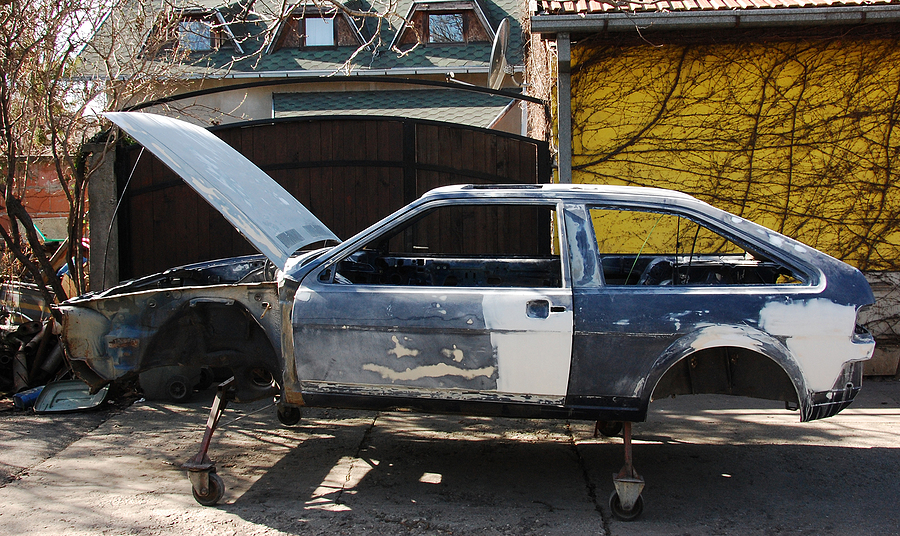
It’s worth noting that a stripped chassis—meaning the bare frame with no engine, drivetrain, interior, or glass—is classified by most scrap yards as a vehicle shell, the lowest-value scrapping category. That’s because the higher-value components (catalytic converter, copper wiring, aluminum parts) have already been removed. Still, a heavy steel chassis can yield a decent payout if you approach the process correctly.
How Vehicle Size Affects Your Payout
Heavier vehicles contain more metal, which means a larger chassis commands a higher scrap price. Here’s a rough breakdown based on current market rates:
- Compact car chassis: 300–500 lbs of steel — roughly $30–$65
- Mid-size sedan chassis: 400–700 lbs — roughly $45–$90
- Full-size truck or SUV frame: 800–1,500+ lbs — roughly $90–$200+
These figures reflect steel weight only. If your chassis still has aluminum components, copper wiring, or other non-ferrous metals attached, your payout can increase significantly.
What Factors Affect Chassis Scrap Value?
Several variables influence the final number a scrap yard will offer:
- Weight: The single biggest driver of price. More steel means more money.
- Metal composition: Aluminum, copper, and brass all command higher per-pound rates than steel.
- Condition: Heavy rust reduces yield. Cleaner chassis tend to fetch better offers.
- Seasonal demand: Steel prices typically rise in spring and summer when construction activity increases, and dip in fall and winter.
- Local competition: Areas with more active scrap yards and recyclers tend to offer higher prices due to buyer competition.
- Global steel markets: International demand—particularly from manufacturing hubs in China and India—directly influences domestic scrap prices.
How to Prepare Your Car Chassis for Scrapping
A little preparation goes a long way toward maximizing your payout. Scrap yards assess your chassis based on what they see, so presenting it in the best possible condition matters.
Step 1: Strip Non-Metal Components
Remove anything that isn’t steel or valuable metal. This includes rubber seals, plastic trim, upholstery remnants, wiring harnesses (unless you plan to sell the copper separately), and any glass still attached. Non-metal materials don’t add value and can actually reduce your offer at some facilities.
Step 2: Drain All Fluids
Environmental regulations require that all fluids—oil, coolant, brake fluid, and fuel—be properly drained before a chassis is accepted at most recycling facilities. Failing to do this can result in the yard refusing your load or deducting a disposal fee from your payout.
Step 3: Separate High-Value Metals
If your chassis still has aluminum brackets, copper wiring, or a catalytic converter attached, consider removing and selling these separately. Copper currently fetches $3.40–$4.15 per pound, aluminum rims go for $0.70–$1.20 per pound, and a catalytic converter can be worth anywhere from $50 to $1,500+ depending on the vehicle make (USJunkCars, 2026). Selling these metals individually—rather than bundled into a steel chassis price—can significantly increase your total return.
Step 4: Get an Accurate Weight Estimate
Scrap yards pay by weight, so knowing your chassis weight before you call for quotes puts you in a stronger negotiating position. Check your vehicle’s original curb weight specs online, then subtract the estimated weight of removed components. This gives you a reasonable baseline for what to expect.
Where to Sell Your Car Chassis
You have several options when it comes to finding a buyer, and it pays to shop around.
Local Scrap Yards and Metal Recyclers
The most direct route. Local auto salvage yards buy scrap steel daily and provide immediate payment. Prices vary between facilities, so calling two or three before committing is always worth the effort. Some yards require you to haul the chassis yourself; others offer pickup for a fee or free of charge.
Junk Car Removal Services
Junk car buyers like Zore’s Junk Cars in Indianapolis simplify the process considerably. They buy vehicles and chassis in any condition, handle the pickup logistics, and pay cash on the spot. For large or immobile chassis, this is often the most practical option.
Online Marketplaces
Platforms like Facebook Marketplace or Craigslist can connect you directly with buyers—particularly builders, fabricators, or hobbyists who may pay above scrap rate for a specific frame. This takes more time but can yield a higher return if you’re patient.
Direct Sales to Automotive Recyclers
Auto salvage operations often pay more than standard scrap yards because they can reclaim and resell usable parts. If your chassis is from a popular make or model, an auto recycler may offer a premium.
Frequently Asked Questions
What is the average weight of a car chassis?
A stripped passenger car chassis typically weighs between 300 and 700 lbs, while a full-size truck or SUV frame can weigh 800 to 1,500 lbs or more. The heavier the chassis, the higher your scrap payout.
Can I get paid more if I disassemble the chassis myself?
Yes, in most cases. Separating aluminum, copper, and other non-ferrous metals before selling allows you to receive the higher per-pound rates those metals command, rather than having them lumped into a lower steel scrap price.
How quickly can I get paid for my chassis?
Most scrap yards and junk car buyers pay on the spot at the time of pickup or drop-off. If you use a removal service like Zore’s Junk Cars, payment typically happens the same day as pickup.
Are there any environmental regulations I should know about?
Yes. Before scrapping, all fluids (oil, coolant, fuel, brake fluid) must be properly drained. Most licensed facilities handle this as part of their process, but if you’re dropping off a chassis yourself, draining it beforehand ensures a smoother transaction and avoids potential disposal fees.
Turn Your Old Chassis Into Cash Today
A car chassis sitting idle has a dollar value attached to it—and the process of collecting that money is simpler than most people assume. Strip the high-value components, get your paperwork in order, compare a few quotes, and choose a buyer you trust.
If you’re in the Indianapolis area, Zore’s Junk Cars makes the process as easy as it gets. With free same-day pickup, cash paid on the spot, and service across Central Indiana, they’ve been a trusted name for junk car buyers for over 70 years. Get your free quote today.
Related Posts:
Recycle These Highly Valuable Auto Parts for a Cash Payout
Scrap Metal Prices: Copper, Steel, Aluminum & Brass Trends
Is a Junk Car Worth More if it’s Heavier?