
Scrap metal lying in a junkyard or an empty soda can resting in a recycling bin might look like trash. However, these discarded items represent a vital resource for our modern economy. The U.S. recycled metal market is experiencing massive growth, fueled by a renewed focus on sustainability and industrial efficiency.
Understanding how recycled metals affect our environment and economy is crucial for building a more sustainable future. The recycled metal market reached an impressive $128.1 billion in 2024 and is projected to grow consistently over the next decade. This surge is largely driven by industries recognizing the immense value of repurposing materials instead of extracting raw ores from the earth.
By exploring the current trends in the steel and aluminum markets, you will see exactly why these metals are in such high demand. You will also learn how everyday recycling habits and industrial shifts are creating a cleaner, more efficient supply chain.
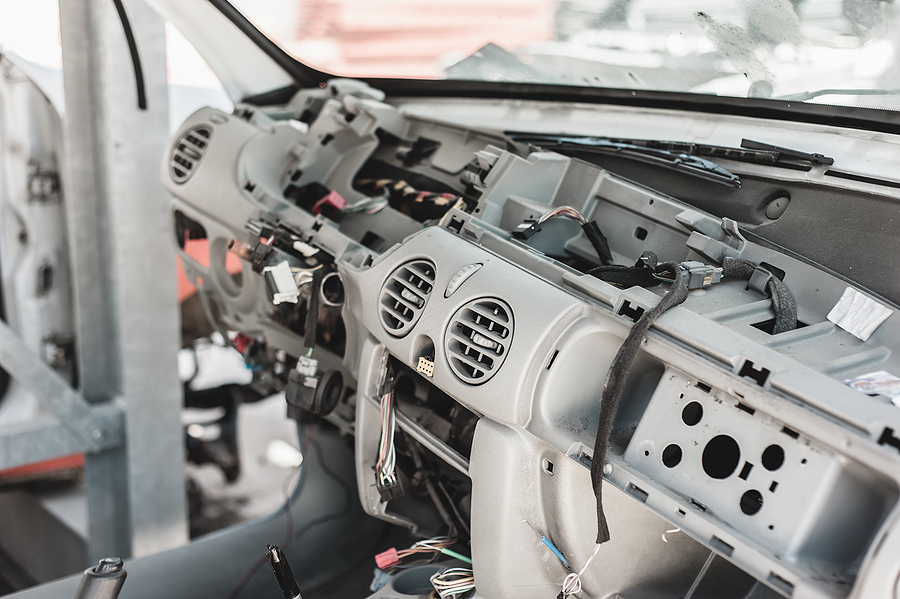
The Eco-Friendly Choice: Why Recycled Steel and Aluminum Matter
Choosing recycled metals is a powerful way to protect our natural resources. Mining raw materials takes a heavy toll on the environment, but recycling provides a much gentler alternative.
Environmental Benefits of Metal Recycling
Recycling metals drastically reduces the energy required for manufacturing. Processing recycled aluminum saves up to 95% of the energy needed to produce new aluminum from raw ore. Similarly, recycling steel conserves about 56% of the energy compared to producing virgin steel. These energy savings directly translate to lower greenhouse gas emissions, helping combat climate change and preserving local ecosystems.
Economic Advantages of Using Recycled Materials
Beyond the environmental perks, recycled metals offer serious financial benefits. Utilizing scrap metal helps manufacturers lower production costs, stabilizing supply chains against the volatile prices of raw mining. The aluminum recycling market alone reached $54.5 billion in 2023 and is projected to climb toward $91.3 billion, proving that sustainability is highly profitable.
Steel’s Strong Comeback: Demand Drivers and Market Trends
Steel has always been the backbone of American infrastructure. Today, recycled steel is taking center stage as industries look to reduce their carbon footprints without sacrificing structural integrity.
Automotive Industry’s Role in Recycled Steel Demand
The automotive sector is a major consumer of recycled steel. With roughly $6.1 billion spent annually on light-duty vehicle steel, automakers are increasingly relying on scrap metal to build the next generation of cars. As the market shifts toward electric vehicles (EVs), manufacturers are highly motivated to source “green steel” to ensure their entire production process aligns with environmental goals.
Construction Sector’s Need for Sustainable Steel
Builders and developers are heavily reliant on recycled steel to meet modern environmental standards. For instance, the U.S. Green Building Council requires a default value of 25% recycled content for steel products to qualify for LEED certification. This requirement pushes construction firms to prioritize recycled steel for everything from commercial skyscrapers to residential framing.
Steel Recycling Innovations and Future Outlook
The future of steel recycling looks promising, with new technologies making the process cleaner and more efficient. Hydrogen-based green steel production is expected to reach 46 million tons by 2035. As mill capacities expand across the U.S., the demand for high-quality ferrous scrap will continue to rise.
Aluminum’s Enduring Appeal: Lightweight, Versatile, and In-Demand
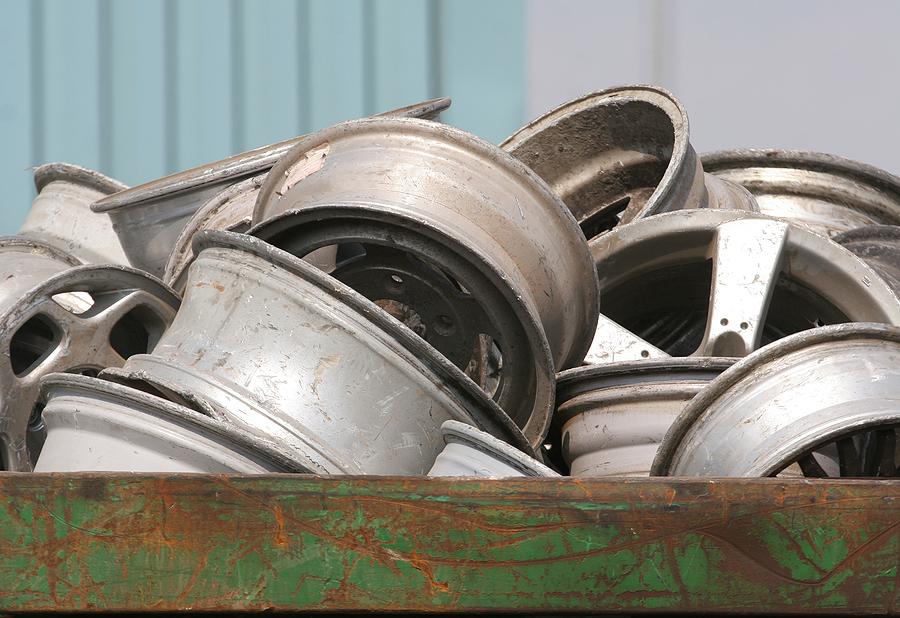
Aluminum is prized for its lightweight nature and infinite recyclability. It is a critical component in countless consumer and industrial products.
Beverage Can Recycling: A Circular Economy Success Story
The aluminum beverage can is one of the most successfully recycled items in the United States. While the current U.S. recycling rate sits around 43%, there is massive potential for improvement. If the recycling rate reached 70%, nearly 29 billion more cans would be recycled annually. This closed-loop system allows an old can to be melted down and returned to the grocery store shelf in just a few weeks.
Aerospace and Transportation: Fueling Aluminum Recycling
The aerospace and public transportation sectors demand materials that are both strong and exceptionally light. Recycled aluminum fits this need perfectly. Using recycled aluminum helps airline manufacturers and transit authorities reduce vehicle weight, which ultimately improves fuel efficiency and lowers operating costs.
Advanced Manufacturing and Aluminum’s Future
As advanced manufacturing techniques evolve, the reliance on recycled aluminum will only increase. Its high strength-to-weight ratio makes it indispensable for modern engineering, ensuring that scrap aluminum will remain a highly sought-after commodity for years to come.
The U.S. Market: Regional Demands and Opportunities
The demand for recycled metals varies by region, driven by local industries and infrastructure projects.
Key States and Industries Driving Recycling Efforts
States with strong manufacturing hubs, such as Indiana, play a massive role in the scrap metal ecosystem. Indiana’s robust automotive and industrial sectors create a continuous loop of supply and demand for recycled steel and aluminum. Local recycling centers process massive amounts of industrial scrap, directly feeding the foundries that supply major manufacturers.
Challenges and Solutions in the Domestic Recycling Landscape
While demand is high, the industry still faces challenges, such as shifting grade values and the need for better consumer recycling education. Upgrading sorting technologies at recycling facilities and standardizing municipal recycling programs are essential steps to capture more high-quality scrap metal.
Frequently Asked Questions
Is recycled metal as strong as new metal?
Yes. Recycled steel and aluminum retain their exact elemental properties during the melting and reforming process. A steel beam made from recycled scrap is fundamentally identical in strength and durability to one made from virgin iron ore.
How does recycling metals save energy?
Recycling saves energy by entirely skipping the mining, transportation, and refining of raw ores. Melting down existing scrap metal requires a fraction of the heat and electricity needed to process virgin materials.
What happens to recycled steel and aluminum?
Once collected, scrap metal is sorted by type, shredded, and melted in large furnaces. The molten metal is then purified and poured into molds to create ingots or sheets, which are sold to manufacturers to build new cars, buildings, appliances, and beverage cans.
A Sustainable Future For Metals
The appetite for recycled steel and aluminum in the U.S. is stronger than ever. From the cars we drive to the buildings we work in, repurposed metals are essential to our modern way of life. By supporting the scrap metal industry, we reduce energy consumption, protect natural landscapes, and build a more resilient economy. Embracing this circular approach ensures that we can meet our industrial needs without depleting the earth’s vital resources.
Recycle Your Old Vehicles and Auto Parts
You can play a direct role in supporting the recycled metal market. If you have an old vehicle, broken appliance, or scrap auto parts taking up space, turn them into valuable resources. Recycle your old vehicles and auto parts at Zore’s Junk Cars in Indianapolis. We offer free towing and pay cash on the spot. Contact us today to safely dispose of your scrap metal and put money right back into your pocket.
Related Post: Comprehensive Guide to Scrap Metal Prices: From Aluminum to Zinc