
Selling a junk car without knowing its actual cash value (ACV) is like heading into a negotiation blindfolded. You might walk away with a fair deal, or you might leave real money on the table. Either way, you won’t know until it’s too late.
ACV matters because it’s the baseline figure buyers use to calculate what they’ll pay you. Knowing this number before you pick up the phone puts you in control of the conversation instead of at the mercy of it.
This guide breaks down exactly what determines your junk car’s ACV, how to calculate it yourself, and the mistakes that cost sellers money every day.
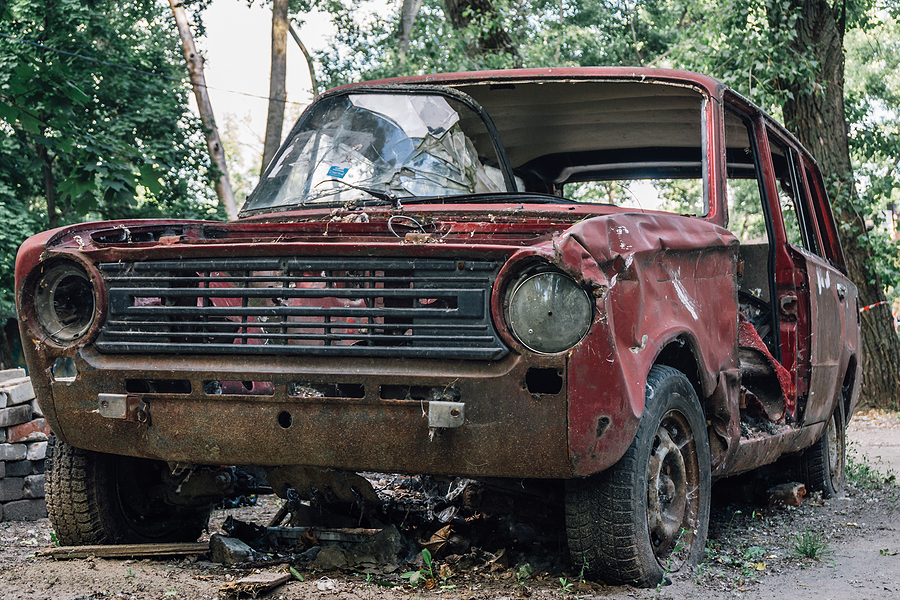
What Factors Determine Your Junk Car’s ACV
Several variables combine to set your vehicle’s actual cash value. Understanding each one helps you spot a lowball offer the moment it lands.
Vehicle Age and Mileage
Older vehicles with higher mileage typically carry lower ACV. Buyers factor in how much life is left in the engine, transmission, and other major components before quoting a price.
Overall Condition and Mechanical Issues
A car that runs, even poorly, is worth more than one that doesn’t. Rust, frame damage, and missing parts all chip away at your vehicle’s value, as do mechanical problems like a blown engine or failed transmission.
Market Demand for Parts and Materials
Some makes and models have parts that are in high demand for resale, which can bump up your ACV. Popular vehicles with interchangeable parts tend to fetch better offers than rare or discontinued models.
Local Salvage Prices for Similar Vehicles
Salvage prices fluctuate based on regional demand and current scrap metal rates. Checking what similar vehicles are selling for nearby gives you a realistic benchmark for your own car.
How to Calculate ACV Yourself
You don’t need to be an appraiser to get a solid estimate of your junk car’s worth. A little research goes a long way.
Research Comparable Vehicles in Your Area
Search for similar vehicles—same year, make, and model—that have recently sold as junk or salvage in your area. This gives you a realistic starting point rather than relying on guesswork.
Account for Wear, Damage, and Repair Costs
Be honest about your car’s condition. Factor in the cost of car repairs a buyer would need to make, since this directly reduces what they’re willing to pay.
Use Online Valuation Tools as Reference Points
Resources like Kelley Blue Book calculate ACV based on year, make, model, mileage, options, wear and tear, and accident history. These tools won’t give you an exact junk car price, but they provide a useful reference point.
Compare Scrap Metal Prices for Your Vehicle Type
Scrap steel prices change frequently and vary by region, so treat any number you find online as a rough guide rather than a guarantee. Checking current local rates before you negotiate can help you avoid accepting less than your car’s materials are worth.
Common Mistakes When Selling a Junk Car
Even sellers who do their homework can lose money by falling into these traps.
Accepting the first offer without getting multiple quotes. The first number you hear is rarely the best one. Shopping around puts competitive pressure on buyers to offer fair prices. Get a junk car offer now.
Overestimating your vehicle’s condition or value. It’s natural to feel sentimental about a car you’ve owned for years, but buyers evaluate based on facts, not memories. A realistic assessment leads to smoother negotiations.
Ignoring the cost of towing and transportation. Some junk car buyers deduct towing fees from your payout. Always ask upfront whether towing is included or if it will be subtracted from your final offer.
Failing to document the car’s current state. Photos and notes on your vehicle’s condition protect you if a buyer tries to lower their offer after inspection by claiming the car was worse than described.
How to Get the Best Price for Your Junk Car
A little preparation can mean a significantly better payout.
Clean and Organize Documentation
Gather your title, registration, and maintenance records. Buyers move faster and offer more confidently when paperwork is in order.
Get Multiple Quotes from Local Junk Car Buyers
Reach out to local junk car buyers in your area and compare offers. This is the single most effective way to ensure you’re getting fair ACV for your vehicle.
Be Transparent About Damage and Mechanical Issues
Disclosing problems upfront builds trust and prevents a buyer from renegotiating the price after towing your car away.
Choose a Buyer That Offers Free Towing
Free junk car towing preserves more of your final payout. Factor this into your comparison when weighing multiple quotes.
FAQ
How is ACV different from market value?
Market value reflects what a running, well-maintained vehicle would sell for to a typical buyer. ACV accounts for your car’s actual condition, including damage, mileage, and wear, making it the more relevant figure for junk vehicles.
Can I increase my junk car’s ACV before selling?
Minor efforts like removing personal belongings, confirming the title is accessible, and documenting the vehicle’s condition can help, but major repairs are rarely worth the investment for a car headed to salvage.
What if buyers disagree on my car’s value?
This is normal and expected. Buyers may weigh scrap prices, parts demand, and condition differently. Getting multiple quotes helps you identify a fair range and avoid accepting an outlier low offer.
Get Fair Cash for Your Junk Car Today
Knowing your junk car’s ACV puts you in a stronger position to negotiate a fair price, avoid common seller mistakes, and walk away with cash that reflects your vehicle’s true worth.
If you’re ready to sell, Zore’s Junk Cars in Indianapolis offers free towing and pays cash on the spot. Reach out today for a straightforward, no-hassle quote.
Related Posts:
What Your Odometer Reading Really Says About Car Value
How Scrap Metal Weight Determines Your Junk Car’s Cash Value
Unlocking Value: Your Guide to Total Loss Vehicles and Auto Salvage