
Getting into an accident is stressful enough without the paperwork and phone calls that follow. If your insurance company has declared your vehicle a total loss, or you’re considering buying a car with a salvage title, the appraisal process determines how much that vehicle is actually worth. This number affects everything from your insurance settlement to your next move.
A salvage title isn’t the same as a standard title. It signals that a vehicle sustained damage severe enough that repair costs exceeded a set percentage of its value—often 70% or more, depending on your state. Once that label is attached, the car’s worth drops significantly, and figuring out exactly how much it’s worth requires a specific kind of appraisal.
This post walks through what a salvage car appraisal involves, the factors that shape its outcome, and what you can expect from the process, so you can approach it with clear expectations and confidence.
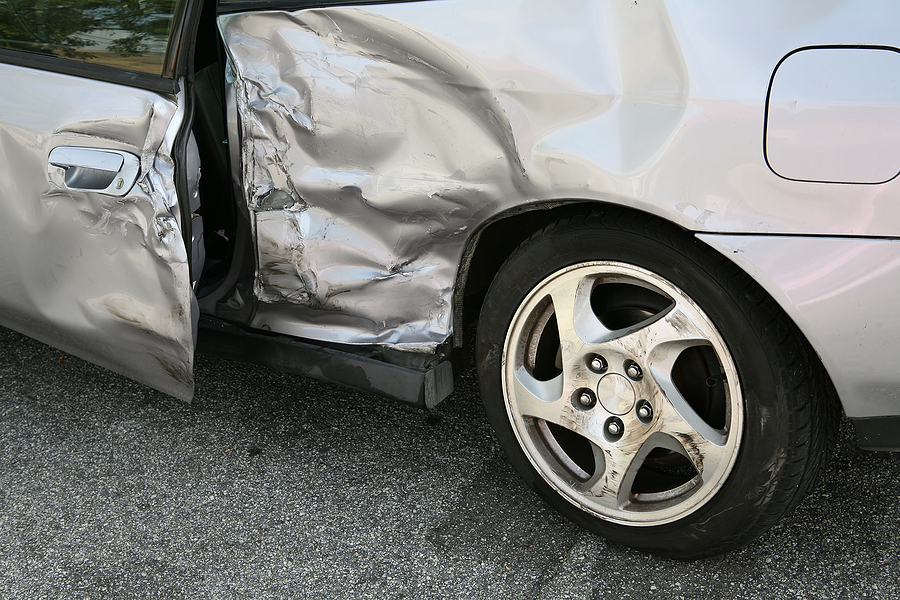
What Is a Salvage Car Appraisal?
A salvage car appraisal is a formal assessment of a vehicle’s worth after it’s been declared a total loss. Insurance companies, dealers, and salvage buyers use this appraisal to figure out a fair price based on the car’s condition, remaining parts, and current market value.
How Salvage Titles Get Assigned
Insurance companies assign a salvage title when the cost of repairs exceeds a certain percentage of a car’s actual cash value. That threshold varies by state. In Indiana, for example, the total loss threshold sits at 70%, meaning if repairs cost 70% or more of the car’s pre-accident value, it’s classified as a total loss. Other states set this threshold anywhere from 60% to 100%.
Once that determination is made, the vehicle receives a salvage title, and its value typically drops by 60-75% compared to its pre-damage market value.
Why Appraisals Matter for Damaged Vehicles
Without a proper appraisal, you’re left guessing at your car’s actual worth. This puts you at a disadvantage when negotiating an insurance settlement or trying to sell the vehicle. An accurate appraisal accounts for the car’s condition, salvageable parts, and what the market will actually pay, giving you a number to work from.
The Salvage Appraisal Process
Every appraisal follows a similar path, though the details vary depending on who’s conducting it.
Initial Inspection and Documentation
The appraiser starts with a physical inspection of the vehicle, examining the exterior, interior, engine, and undercarriage for damage. They’ll photograph the vehicle from multiple angles and document the specific type of damage—collision, flood, fire, hail, or theft recovery all affect value differently.
Assessing Damage and Repair Costs
Next, the appraiser estimates what it would cost to bring the car back to a safe, functional condition. This usually involves getting quotes from repair shops, sometimes multiple estimates to ensure accuracy. Structural and frame damage tend to push repair costs higher than cosmetic issues like hail dents.
Determining Market Value
The appraiser compares your vehicle to similar cars—same make, model, age, and mileage—that have sold recently in your area. This comparable analysis, combined with the extent of damage, produces a fair market value for the car in its current, damaged state.
How Long Does the Process Take?
Most salvage appraisals take anywhere from 30 minutes to a couple of hours for the physical inspection, though the full turnaround—including paperwork and a final offer—can take a few days. Junk car and salvage buyers who specialize in fast transactions, like scrap yards, often move faster than insurance-affiliated appraisers.
Key Factors That Affect Your Appraisal Value
Several variables influence what your salvage vehicle is ultimately worth:
- Vehicle age, make, and model: Reliable, high-demand brands like Toyota, Honda, and Subaru typically retain 40-45% of their pre-accident value, while luxury European vehicles often retain just 20-25% due to expensive parts and specialized repairs.
- Type and extent of damage: Cosmetic damage from hail holds value better than flood or fire damage, which often causes hidden problems that reduce a car’s usefulness for parts or rebuilding.
- Mileage and overall condition: A lower-mileage vehicle in otherwise good shape appraises higher than a high-mileage car with existing wear.
- Parts demand: If your vehicle’s model has parts in high demand, its salvage value increases even if the car itself isn’t drivable.
- Local market conditions: Scrap metal prices and regional demand for used parts fluctuate, which can shift your appraisal up or down depending on when and where you sell.
How Appraisers Calculate Salvage Value
Appraisers typically use a straightforward formula: pre-accident value multiplied by a salvage percentage, which usually falls between 20% and 40% depending on damage severity. For example, a vehicle worth $15,000 before an accident with moderate damage might carry a salvage percentage of 30%, putting its salvage value at $4,500.
This calculation accounts for comparable vehicle sales, the value of usable parts, and the labor and overhead costs a buyer would need to cover to make the vehicle roadworthy or profitable to part out.
What to Expect During Your Appraisal
Knowing what’s coming can make the process feel far less overwhelming.
Documentation to Have Ready
Bring your vehicle’s title, registration, insurance claim information, and any maintenance records. If repairs were already made, documentation of that work can support a higher valuation.
The Physical Inspection
Expect the appraiser to walk around the vehicle, check under the hood, inspect the interior, and possibly take the car for a brief test drive if it’s operable. They may ask questions about how the damage occurred and whether any repairs have been attempted.
Your Final Appraisal Report
Once complete, you’ll receive a report outlining the vehicle’s assessed value, the reasoning behind that number, and often a formal offer if you’re selling to the appraising company.
Frequently Asked Questions
How much does a salvage car appraisal cost?
Many junk car buyers, including junk car companies, offer free appraisals as part of their buying process. Independent appraisals from certified professionals may carry a fee, typically ranging from $75 to $200.
Can I dispute my insurance company’s salvage appraisal?
Yes. If you believe the offer is too low, you can request an independent appraisal or provide your own repair estimates and comparable sales data to negotiate a higher settlement.
Does a salvage title always mean the car is worthless?
No. Many salvage vehicles retain 20-40% of their pre-accident value, and some—especially reliable, high-demand models—hold onto even more.
How is salvage value different from scrap value?
Salvage value accounts for usable parts and potential resale, while scrap value reflects only the raw materials, like metal weight. Salvage value is typically higher.
Get a Fair Offer for Your Salvage Vehicle
A salvage car appraisal doesn’t have to be complicated or stressful once you know what’s involved. Whether your vehicle was in an accident, damaged by weather, or simply reached the end of its useful life, understanding how appraisers calculate value puts you in a stronger position to get a fair deal.
If you’re in the Indianapolis area, Zore’s Junk Cars makes the process simple. We offer free towing and cash on the spot for salvage vehicles of any age or condition, so you can turn your damaged car into cash without the runaround.
Related Posts:
Where to Get the Best Offer for Your Junk Car in Indianapolis
How Much is My Wrecked Car Worth?
Unlocking Value: Your Guide to Total Loss Vehicles and Auto Salvage