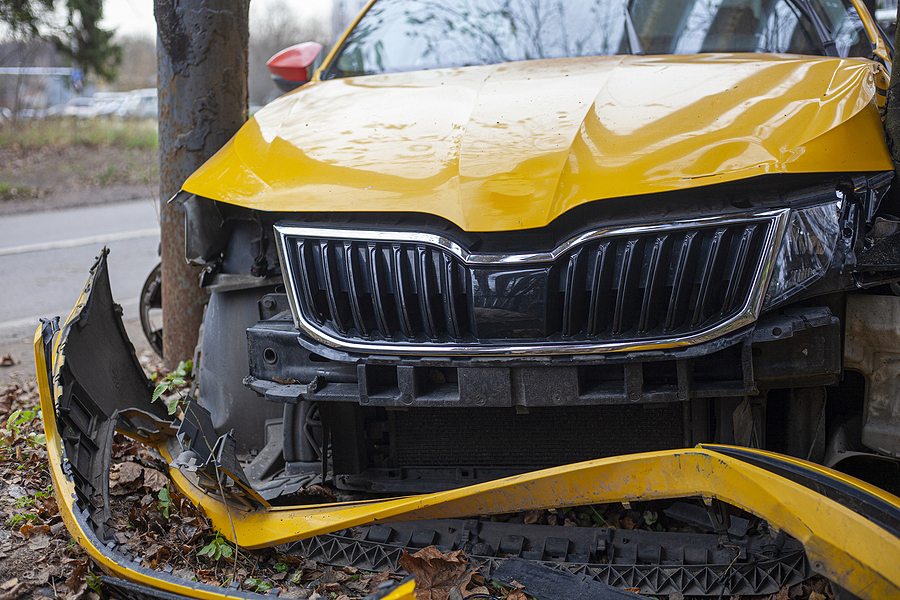
Cash for Junk Cars Indianapolis: Get Paid Fast

TL;DR: Selling a junk car in Indianapolis is straightforward. Find a reputable buyer, gather your title, request a quote, and schedule free pickup. You can get paid cash on the spot—often the same day you call.

Key Takeaways:

  • Most Indianapolis scrap yards require a valid vehicle title to purchase your junk car
  • Free junk car removal is available through reputable local buyers like Zore’s Junk Cars
  • Your car’s value depends on its weight, condition, make/model, and current scrap metal prices
  • The entire process—from quote to cash—can be completed in as little as one day

Table of Contents:

  1. How to Get Cash for Junk Cars in Indianapolis
  2. Benefits of Using a Professional Scrap Car Removal Service
  3. What Documents Do You Need to Sell Your Junk Car?
  4. How Much Is Your Junk Car Worth?
  5. Common Questions About Junk Car Removal
  6. Quick Recap
  7. Sell Your Junk Car in Indianapolis Today

Call 317-450-3721 to Get Paid Cash for Junk Cars Near Indianapolis

How to Get Cash for Junk Cars in Indianapolis

Getting paid for a junk car in Indianapolis is simpler than most people expect. Here’s how the process works, step by step:

  1. Locate your car title. This is the most important document you’ll need. Without it, many buyers can’t legally take the vehicle.
  2. Request a free quote. Contact a local Indianapolis junk car buyer—like Zore’s Junk Cars at 317-450-3721—and provide details about your vehicle (year, make, model, condition, and VIN).
  3. Accept the offer. If the price works for you, confirm the details and schedule a pickup time.
  4. Schedule free junk car removal. A reputable buyer will come to your location at no cost to haul the vehicle away.
  5. Sign over the title and get paid. When the buyer arrives, hand over the signed title and collect your cash on the spot.

The whole process can be completed in a single day. No haggling at a dealership. No costly repairs. Just a straightforward transaction that puts money in your pocket.

Ready to get started? Contact us now for a free quote and same-day free junk car removal throughout the Greater Indianapolis area.

Benefits of Using a Professional Scrap Car Removal Service

Selling a junk car privately can be a headache—fielding lowball offers, arranging test drives for a car that barely runs, and dealing with paperwork confusion. A professional scrap car removal service eliminates all of that.

Here’s what you gain by going with an established Indianapolis junk car buyer:

  • Free towing and removal. Reputable buyers come to you. No tow truck bills, no extra fees deducted from your offer after the fact.
  • Cash on the spot. You don’t wait for a check to clear or a bank transfer to process. Payment happens at pickup.
  • No condition requirements. Doesn’t run? Flood-damaged? Sitting in your driveway for years? Professional buyers accept vehicles regardless of age, make, model, or condition.
  • Responsible recycling. Established operations like Zore’s Inc. comply with all local, state, and EPA guidelines for scrap metal recycling—so your car is processed responsibly.
  • BMV paperwork assistance. Some buyers will help you handle the administrative side of the transfer, saving you an extra trip to the BMV.
  • Transparency matters here. Some buyers advertise top-dollar offers, then quietly deduct a towing fee at pickup. Always confirm upfront that removal is genuinely free before agreeing to anything.

What Documents Do You Need to Sell Your Junk Car?

Getting your paperwork in order before you call a buyer saves time and avoids delays.

Vehicle Title (Required)

The certificate of title is the primary document most Indiana auto salvage yards require. It proves you own the vehicle and authorizes the transfer of ownership. When the buyer arrives, you’ll sign the title over to them.

If You Don’t Have a Title

Losing a title doesn’t mean losing your sale. You can request a duplicate car title through the Indiana Bureau of Motor Vehicles (BMV). Visit in.gov/bmv or a local BMV branch to start that process.

In limited circumstances, Indiana allows a Bill of Sale (State Form 44237) to transfer ownership—but only when the vehicle isn’t legally required to have a certificate of title. If used, the bill of sale must include:

  • The purchaser’s name
  • Vehicle description (year, make, and model)
  • Vehicle Identification Number (VIN)
  • Seller’s signature and address

A bill of sale used as a primary ownership document also requires a completed Physical Inspection of a Vehicle or Watercraft (State Form 39530). Check with your buyer or the Indiana BMV to confirm whether a bill of sale applies to your specific situation.

Additional Tips

  • Remove your license plates before the buyer arrives—Indiana requires sellers to retain or surrender their plates, not transfer them with the vehicle.
  • Notify your insurance provider once the sale is complete.

How Much Is Your Junk Car Worth?

There’s no single answer, but there are clear factors that determine your payout.

Vehicle Weight

Scrap metal is priced by the ton. Heavier vehicles—trucks, SUVs, full-size sedans—generally yield more than compact cars, simply because there’s more metal to recycle.

Current Scrap Metal Prices

Scrap prices fluctuate based on national and global market conditions. The going rate for steel and iron changes week to week, which means your car’s value today may differ from what it was six months ago. A good buyer will walk you through current market values before making an offer.

Condition and Completeness

A car with all its major components intact—engine, transmission, catalytic converter—is worth more than one that’s been stripped. Catalytic converters, in particular, contain precious metals that carry meaningful resale value.

Make and Model

Some vehicles have parts in higher demand at auto salvage yards. If your car’s components can be resold before the rest is crushed, you may receive a stronger offer.

Location

Being in a major metro area like Indianapolis works in your favor. Buyers can reach you quickly, and competitive local demand can positively influence what you’re offered.

Common Questions About Junk Car Removal

Do I need a title to sell my junk car in Indianapolis?

Most Indianapolis auto salvage yards require a title. If yours is lost or damaged, contact the Indiana BMV to request a duplicate before arranging your sale.

Will they tow my car for free?

With Zore’s Junk Cars, yes. Free junk car removal is included, and no towing fees are deducted from your offer—what you’re quoted is what you receive.

How quickly can I get paid?

In most cases, you receive cash on the spot when the buyer picks up your vehicle. Same-day service is available.

What types of vehicles are accepted?

Beyond standard cars and trucks, buyers accept motorcycles, vans, SUVs, RVs, ATVs, and a wide range of other motorized vehicles and equipment.

What happens to my car after it’s picked up?

Your vehicle goes through a certified recycling process. Usable parts may be resold; the remaining metal is processed at the scrap yard in compliance with EPA and state environmental guidelines.

Quick Recap: The Junk Car Selling Process

  • Locate your vehicle title (or request a duplicate from the Indiana BMV)
  • Call a reputable Indianapolis junk car buyer for a free quote
  • Accept the offer and schedule free pickup
  • Remove your license plates before the buyer arrives
  • Sign over the title when the buyer arrives
  • Collect your cash on the spot

Turn That Junk Car Into Cash Today

A vehicle sitting unused in your driveway isn’t just an eyesore—it’s money waiting to be claimed. The process of selling a junk car in Indianapolis is faster and simpler than most people realize, particularly when you work with an experienced, transparent buyer.

At Zore’s Junk Car’s,  we pay cash on the spot for all motorized vehicles, regardless of age, make, model, or condition. We also provide free junk car removal throughout the Greater Indianapolis area. No hidden fees. No surprises. Call now or to request a free quote today.

Related Post: Selling a Junk Car in Indiana? Your Complete Vehicle Title Guide
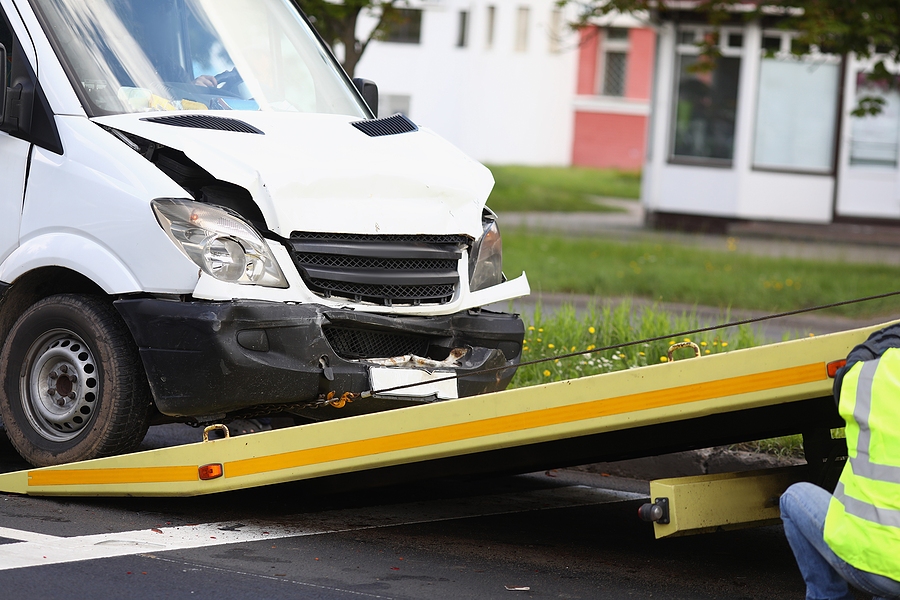
Best Ways to Remove a Junk Car for Cash

Is an old, rusting vehicle taking up valuable space in your driveway or garage? You aren’t alone. Dealing with an end-of-life vehicle is a common headache for vehicle owners, but it doesn’t have to be a stressful experience. In fact, that eyesore could be worth a significant amount of cash.

Whether you are looking to support a good cause, make a quick profit, or simply clear out some space, there are several reliable paths forward. This guide explores the most effective methods for junk car removal, ensuring you make the best decision for your financial and personal needs.

TL;DR & Key Takeaways:

If you are short on time, here is the quick summary of your options for removing a junk car:

  • Professional Removal Services: The fastest and most convenient option. You typically get free towing and immediate cash on the spot.
  • Local Junkyards: A good option if you can transport the vehicle yourself, though it often requires more effort than a removal service.
  • Charity Donation: A noble choice that may offer a tax deduction, though recent IRS rules have made the financial benefit less predictable.
  • Private Sale: Potentially the most profitable route, but it requires significant time, patience, and effort to find a buyer for a damaged car.

Table of Contents:

  1. Selling Your Car to a Local Junkyard
  2. Utilizing Professional Junk Car Removal Services
  3. Donating Your Vehicle to Charity
  4. Private Sale vs. Professional Scrapping
  5. Quick Recap: Comparing Removal Options
  6. Frequently Asked Questions
  7. Conclusion
Call 317-450-3721 to Remove a Junk Car for Cash in Indianapolis

Selling Your Car to a Local Junkyard

Selling directly to a junkyard is a viable option if you have the means to transport the vehicle yourself, often resulting in payment based on the car’s scrap metal weight.

For those who don’t mind a little heavy lifting, working directly with a salvage yard or junkyard can be straightforward. These facilities purchase vehicles primarily for their parts and scrap metal content. According to the EPA, the average vehicle is approximately 75% metal, making even a non-running car valuable to recyclers.

However, this route often puts the burden of logistics on you. You may need to arrange your own towing if the car isn’t roadworthy, which can eat into your profit. Additionally, you will need to handle the paperwork carefully. In Indiana, for example, the Bureau of Motor Vehicles (BMV) explicitly states that the seller must remove the license plates from the vehicle at the time of the transaction. You are not required to return the plates to the BMV, but you must take them off the car before leaving it at the yard.

Utilizing Professional Junk Car Removal Services

Professional junk car removal services offer the highest level of convenience by providing free towing and immediate cash payments, handling the logistics so you don’t have to.

If you value time and ease, a professional junk car buyer is often the superior choice. These companies specialize in buying cars in any condition—running or not—and streamlining the process. Unlike a standard junkyard that might expect you to bring the car to them, removal services come to you.

The process is generally simple:

  1. Get a Quote: You provide details about the car’s make, model, year, and condition.
  2. Schedule Pickup: If you accept the offer, they schedule a tow truck to come to your location.
  3. Transfer Ownership: You will sign over the car title to the buyer.
  4. Get Paid: You receive cash on the spot when they pick up the vehicle.

This method eliminates the cost of towing and the hassle of negotiating. These services evaluate the car based on salvageable parts, catalytic converter value, and scrap weight, ensuring you get a fair market price without the legwork.

Donating Your Vehicle to Charity

Donating your car allows you to support a cause you care about and may provide a tax deduction, provided you follow specific IRS documentation rules. Donating a vehicle is a generous way to give back to your community. However, if you are counting on a tax break, it is crucial to understand the current tax laws, which are stricter than they used to be.

The IRS requires that you obtain a contemporaneous written acknowledgment from the charity, typically Form 1098-C. Crucially, your deduction is generally limited to the gross proceeds from the charity’s sale of the vehicle, not its fair market value. For example, if you donate a car worth $3,000, but the charity sells it at auction for $1,500, your deduction is generally limited to $1,500.

There are exceptions—such as if the charity keeps the car for its own use or gives it to a needy individual—but you must have the proper documentation to prove it. Always verify that the charity is a qualified 501(c)(3) organization before handing over the keys.

Private Sale vs. Professional Scrapping

Private sales can yield a higher payout but require significant effort in advertising and negotiation, whereas professional scrapping offers guaranteed cash with minimal effort. Deciding between selling privately and scrapping comes down to how much you value your time versus your potential profit.

Private Sale:

  • Pros: You set the price and might find a buyer looking for a project car or specific parts.
  • Cons: You must list the car, deal with strangers coming to your home, negotiate prices, and handle the title transfer yourself. If the car is in poor condition, finding a buyer can take months.

Professional Scrapping:

  • Pros: The sale is immediate. You don’t have to worry about tire kickers, advertising costs, or safety inspections. It is a “one-and-done” transaction.
  • Cons: The offer is based on scrap and salvage value, which might be lower than what a private collector would pay for a rare model—but not by much, if any at all.

Frequently Asked Questions regarding Junk Car Removal

Do I need a title to junk my car in Indiana?

Generally, yes. Legitimate junk car buyers and salvage yards will require proof of ownership to prevent the sale of stolen vehicles. In Indiana, you must have a certificate of title to transfer ownership legally. If you have lost your title, you will likely need to apply for a duplicate through the Indiana BMV before you can complete the sale.

Does the condition of the car matter?

For professional removal services, usually not. They buy cars “as-is.” Whether the car has been totaled in an accident, has a blown engine, or is simply rusted out, it still holds value in metal and parts.

What should I do before the tow truck arrives?

You should remove all personal belongings from the vehicle. Check the trunk, glove box, under the seats, and in the seat pockets. As mentioned earlier, remove the license plates. You do not need to clean the car, but removing personal items is essential.

Will I get paid if the car doesn’t run?

Yes. Non-running vehicles are the primary inventory for junk car removal services. The value is derived from the materials and parts, not the vehicle’s ability to drive.

Quick Recap:

Here is a snapshot of how the different methods stack up:

  • Removal Service: Best for speed, convenience, and guaranteed cash. Includes free towing.
  • Junkyard: Good for quick disposal if you can tow it yourself.
  • Charity: Best for philanthropic goals. Tax benefits vary and require paperwork.
  • Private Sale: Best for maximizing profit on rare or repairable cars, but requires high effort.

Conclusion

Getting rid of a junk car doesn’t have to be a burden. By understanding your options—from the convenience of professional removal services to the generosity of charitable donation—you can make a choice that clears your driveway and benefits your wallet. The right partner makes the process seamless, handling the heavy lifting so you can move forward with peace of mind.

Ready to turn that old car into cash today? If you are in the Central Indiana area, we are here to help. Zore’s Junk Cars provides free junk car removal in the Indianapolis metro area and pays cash on the spot, regardless of your vehicle’s age or condition. Skip the hassle of private sales and let us handle the towing for you. Contact us now for your free quote!

Call for a Free Offer

Related Post: Indianapolis Scrap Car Removal Guide

Selling a Junk Car in Indiana? Your Complete Vehicle Title Guide
You’ve finally decided to let go of that old clunker taking up space in your driveway. The tires are flat, the engine hasn’t turned over in years, and frankly, you’re tired of mowing around it. Getting cash for that vehicle sounds fantastic, but then the panic sets in: Where is the title? Do I even have the right paperwork to sell it legally?

Navigating the Bureau of Motor Vehicles (BMV) requirements can feel overwhelming, especially when you are dealing with a vehicle that isn’t exactly road-worthy. You might worry that missing paperwork will leave you stuck with the car forever, or worse, liable for a vehicle you no longer own.

The good news is that Indiana has clear procedures for handling these exact situations. Whether your car is totaled, abandoned, or simply worn out, understanding the specific title laws in the Hoosier state is the key to a smooth, legal sale. This guide breaks down exactly what you need to know about junk car titles, ensuring you can move forward with confidence—and hopefully, a little extra cash in your pocket.

Call 317-450-3721 to Sell Your Junk Via Title Transfer in Indianapolis

What is a “Junk Car Title”?

When we talk about a “junk car title,” we are often using a catch-all term for a few different legal designations. A standard, or “clean,” title indicates a car is safe to drive and hasn’t suffered significant damage that would total it. However, once a vehicle reaches the end of its life or suffers catastrophic damage, its legal status often changes.

In Indiana, this usually falls under the umbrella of a Salvage Title. This document serves as a warning label to future buyers that the vehicle has been extensively damaged or deemed a total loss by an insurance company. It ensures transparency in the used car market and prevents unsafe vehicles from being sold as pristine automobiles.

Common Scenarios Requiring a Salvage Title

Several situations might necessitate changing a vehicle’s status from clean to salvage:

  • Total Loss: An insurance company declares the repair costs exceed the vehicle’s fair market value (usually after a collision).
  • Flood Damage: The vehicle has sustained significant water damage.
  • Wrecked Vehicles: Cars manufactured within the last seven model years that have been wrecked or damaged to the point where they meet criteria for a salvage brand.

Indiana Laws and Regulations

Indiana takes vehicle branding seriously to protect consumers and regulate the recycling industry. The laws governing these titles are outlined in the Indiana Code, specifically under Title 9, Article 22.

According to state regulations, if you own a vehicle that fits the definition of a salvage motor vehicle—particularly those manufactured within the last seven model years—you are required to apply for a salvage title. This isn’t just a suggestion; it is a legal requirement to ensure the vehicle’s history is accurately recorded.

Furthermore, if you plan to dispose of a vehicle for scrap metal and cannot produce a title, Indiana law provides a specific pathway called a Certificate of Authority. This allows for the legal disposal of a vehicle without obtaining a new certificate of title, streamlining the process for cars destined for the crusher rather than the highway.

How to Obtain a Salvage Title in Indiana

If you need to obtain a salvage title before selling your vehicle, the process is handled through the BMV Central Office. It involves a bit of paperwork, but following these steps will help you avoid processing delays.

Step 1: Gather the required forms

You will need to complete the Application for Certificate of Title for a Vehicle (State Form 205). In addition, you must submit the Salvage Title Affidavit (State Form 49891). These forms verify the vehicle’s condition and your ownership.

Step 2: Prepare the fee

The application fee for a salvage title in Indiana is remarkably low—currently just $4.00. You can pay this via check, money order, or credit card (if using the appropriate payment collection form).

Step 3: Watch the clock

Timing matters. If you retain possession of a salvage vehicle after an insurance settlement, or if you purchase a salvage vehicle, you generally have 45 days to apply for the title. Missing this window can result in an additional $10 administrative penalty.

Step 4: Submit your packet

Unlike standard registration renewals which can often be done at a local branch or kiosk, salvage title applications are typically processed by mail. You will send your completed forms, proof of ownership (like the old title), and payment to the BMV Central Office in Indianapolis.

Selling a Junk Car with a Title

Selling a junk car is always easier when you have the title in hand. The title is the ultimate proof of ownership, and having it simplifies the transaction for everyone involved—especially the junk car buyer.

When you have the proper documentation:

  • Transferring Ownership: You simply fill out the “Transfer of Ownership” section on the back of the title. This includes the date of sale, the sale price, and the odometer reading (though for very old junk cars, mileage may be exempt).
  • Buyer Options: With a title, you have more options. You can sell to private buyers who might want the car for parts, specialized auto salvage yards, or even dealerships if the car still has some trade-in value.
  • Liability Release: Signing over the title legally disconnects you from the vehicle. If the car is later abandoned or involved in an incident, you have proof that you are no longer the owner.

Get an Offer for Your Junk Car in Indianapolis Now

Selling a Junk Car Without a Title

Life happens. Papers get lost, destroyed in floods, or accidentally thrown out during spring cleaning. If you need to sell a junk car but can’t find the title, you still have options, though the road is slightly more winding.

Option 1: Apply for a Duplicate Title

If you are the legal owner on record, the cleanest solution is often to apply for a Duplicate Title.

  • The Form: Submit State Form 205 (Application for Certificate of Title).
  • The Fee: A duplicate title costs $15.00.
  • The Timeline: Standard processing takes time, but if you are in a rush to sell, you can pay an extra $25.00 for a “speed title” to expedite the process.

Option 2: Certificate of Authority (For Scrap Only)

If the vehicle is truly “junk”—meaning it’s destined for the crusher and will never drive again—you might not need a full title. You can apply for a Certificate of Authority – Disposal of a Motor Vehicle (State Form 55018).

  • Purpose: This document grants you permission to sell, give away, or dispose of the vehicle for scrap metal.
  • Requirements: You must prove ownership (e.g., via registration or insurance settlement) and potentially show proof of lien release if there was a loan on the car.
  • The Fee: Like the salvage title, this application fee is $4.00.

What about a Bill of Sale?

While a Bill of Sale (State Form 44237) is excellent for your personal records, it is rarely sufficient on its own to transfer legal ownership of a vehicle in Indiana without an accompanying title or Certificate of Authority. Most reputable salvage yards will require one of the official BMV documents to accept the car.

Avoiding Scrap Car Title Issues

The best way to handle title stress is to prevent it before it starts. Here are a few proactive tips to keep your paperwork in order:

  • Store Documents Safely: Keep your title in a fireproof box or a secure file cabinet at home, not in the car’s glove compartment.
  • Address Liens Immediately: Once you pay off a car loan, ensure the bank sends you a lien release or a clean title immediately. Trying to track down a lien release from a bank that closed 10 years ago is a headache you don’t want.
  • Don’t Pre-Sign: Never sign the seller’s section of a title until you are actually exchanging the vehicle for cash. A “signed in blank” title can be stolen and used illegally.

Your Path to a Clutter-Free Driveway

Selling a junk car in Indiana doesn’t have to be a legal nightmare. Whether you are holding a clean title, applying for a salvage brand, or seeking a Certificate of Authority for disposal, the BMV has a process for you. By understanding these regulations and gathering the right documents—forms like the 205 or 55018—you protect yourself from liability and ensure a legitimate sale.

Don’t let a piece of paper stand between you and a reclaimed driveway. Take a look at your documents, choose the path that fits your situation, and turn that rusty burden into an asset.

Ready to turn that junk car into cash? If you are in the Indianapolis area and want to skip the headache of paperwork and negotiations, we can help. We offer free appraisals, free removal, and cash on the spot for junk cars, regardless of their condition. Contact Us Today for your free quote and let us handle the heavy lifting!

Call Now for Your Offer

Related Post: The Difference Between Rebuilt Car Titles and Salvaged Car Titles

Totaled Car? Here’s Why Selling It Is Easier Than You Think

The sound of crunching metal is something no driver ever wants to hear. Once the dust settles and everyone is safe, the reality of the situation sets in. You are left with a damaged vehicle, a shaken spirit, and a looming call with your insurance company. When that adjuster uses the word “totaled,” it often feels like the final nail in the coffin for your car.

Many vehicle owners assume that a totaled car is a complete financial loss—a burden that needs to be towed away and forgotten. But this is a misconception. A total loss designation does not render your vehicle worthless. In fact, selling a totaled car is often a straightforward process that can put significant cash back in your pocket.

Whether you are looking to fund a down payment for a new vehicle or simply want to close this chapter, navigating the sale of a damaged car is more accessible than you might expect.

Call 317-450-3721 to Sell a Totaled Car Near Indianapolis

Understanding What “Totaled” Means

To navigate the process confidently, you first need to understand what is happening behind the scenes at your insurance company. A car is not necessarily “unfixable” when it is declared a total loss. Instead, it is a financial calculation.

Insurance companies determine a total loss based on the cost of repairs relative to the vehicle’s value. This usually happens in one of two ways:

1. The Total Loss Threshold

In many states, if the estimated cost of repairs exceeds a certain percentage of the car’s Actual Cash Value (ACV), the car is totaled. For example, if your state has a 75% threshold and your car is worth $10,000, repairs costing $7,500 or more will trigger a total loss designation.

2. The Total Loss Formula

If a state does not have a specific threshold, insurers often use a formula: Cost of Repair + Salvage Value > Actual Cash Value.

Basically, if fixing the car and selling it later costs more than what the car is worth right now, the insurance company will prefer to pay you the current value and sell the wreck themselves.

Challenging the Myth of the “Worthless” Car

The biggest psychological hurdle to selling a totaled car is the belief that no one wants it. This could not be further from the truth. The automotive ecosystem is vast, and value exists in almost every vehicle, regardless of its condition.

  • Parts Value: Even if the frame is bent or the engine is damaged, your car contains hundreds of functional parts. Alternators, seats, electronics, glass, and interior panels are often in high demand.
  • Scrap Metal: At a minimum, the steel and aluminum in your vehicle have a baseline commodity price.
  • Restoration Potential: For mechanics and hobbyists, a totaled car can be a “project car.” If the damage is cosmetic or manageable for a professional, they may buy it to restore and retitle it with a Rebuilt Title.

Available Options for Selling

Once you decide to keep the car (a process known as “owner retention”) rather than letting the insurance company take it, you have several avenues for selling it.

Junkyards and Auto Salvage Yards

This is the most common and fastest route. A local salvage yard will buy vehicles in any condition. They make their profit by dismantling the vehicle and selling the usable parts or selling the scrap metal. The transaction is usually quick, often completed within 24 hours, and typically includes free towing.

Private Buyers

There is a market of mechanics, hobbyists, and bargain hunters looking for salvage vehicles. Selling privately can often yield a higher price than a junkyard because you are cutting out the middleman. However, this route requires more effort: listing the car, vetting buyers, and managing the paperwork yourself.

Online Car Buying Services

In recent years, dedicated online services have streamlined the process. You enter your vehicle’s details—including the damage—and receive an instant offer. These services often handle the pickup and paperwork, bridging the gap between the convenience of a junkyard and the reach of a private sale. But fair warning, the payouts are much lower.

Sell Your Old, Beat Up Car Today!

Step-by-Step Guide to Selling Your Totaled Car

If you are ready to turn that damaged car into cash, follow this roadmap to ensure a smooth transaction.

1. Retain the Vehicle

When your insurance company offers a settlement, tell them you want to keep the car. They will deduct the car’s “salvage value” (what they would have sold it for at an auction) from your settlement check. You get the cash difference and keep the car.

2. Handle the Title Paperwork

This is the most critical step. You generally cannot sell a totaled car with a standard clean title. You must apply for a Salvage Title. This alerts future buyers that the vehicle has been declared a total loss. Failing to do this can lead to legal complications.

3. Assess and Prepare the Vehicle

Clear out all personal belongings. Check under the seats, in the glove box, and in the trunk. Remove your license plates—you will need these to cancel your registration or transfer it to a new car. While you don’t need to detail a wrecked car, removing trash makes a better impression on buyers.

4. Get Quotes

Do not settle for the first offer. Call local yards, check online platforms, and perhaps list it on a local classifieds site to gauge interest.

Maximizing Value: Getting the Best Price

Just because the car is damaged doesn’t mean you shouldn’t negotiate. To get the best deal:

  • Know Your Parts: If you recently put on new tires or installed a new battery/stereo system, mention this. Some buyers will pay a premium for these specific high-ticket items.
  • Be Honest About Damage: When describing the car to potential buyers, be accurate. Sending photos of the damage helps avoid renegotiation when the tow truck arrives.
  • Separate the Components: If you have the tools and the time, you might make more money by selling high-value parts (like the catalytic converter, wheels, or entertainment system) separately before selling the shell to a scrap yard. However, verify with the buyer that they accept stripped vehicles.

Moving Forward

A totaled car does not have to be a total loss of potential. By understanding how the value is calculated and knowing your selling options, you can turn a stressful accident into a financial opportunity. Whether you choose the speed of a salvage yard or the potential profit of a private buyer, the power is in your hands.

If you are located in the Indianapolis area and want a hassle-free way to move on from your vehicle, we can help. We offer competitive prices and handle the heavy lifting for you. Contact Us Today to get cash for junk cars in Indianapolis.

Call Now for Your Free Offer

Related Post: Junk Car Disposal: How to Make the Most of Your Old Vehicle

Get Paid Cash for Junk Cars in Indianapolis

An old, damaged, or unwanted vehicle sitting in your driveway can be more than just an eyesore; it can be a source of stress and take up valuable space. If you have a car that’s reached the end of its road, you might be wondering what to do with it. Selling it for cash is a practical and rewarding solution that offers quick payment and an eco-friendly way to dispose of your vehicle.

This guide will walk you through everything you need to know about getting cash for junk cars in Indianapolis. We’ll cover why it’s a smart move, how to find reputable buyers, and what steps to take to ensure a smooth and profitable transaction. By the end, you’ll understand how to turn that old car into cash with confidence.

Call 317-450-3721 for Cash for Junk Cars Service in Indianapolis

Why Sell Your Junk Car?

There are many reasons why you might decide it’s time to sell your junk car. Perhaps it’s an old vehicle that no longer runs, has significant damage from an accident, or has become too expensive to maintain. Holding onto an unwanted car can lead to various problems, from taking up garage space to becoming a potential environmental hazard as fluids leak.

Selling your junk car to a reputable buyer offers several key benefits:

  • Quick Cash: You can receive immediate payment for a vehicle that would otherwise just be sitting there.
  • Free Up Space: Reclaim your driveway, garage, or yard.
  • Avoid Repair Costs: Instead of pouring more money into a car with endless problems, you can get paid to have it taken away.
  • Eco-Friendly Disposal: Reputable junk car buyers don’t just let cars rust away. They follow responsible recycling practices, salvaging usable parts and properly disposing of hazardous materials. This process conserves natural resources and reduces landfill waste, making it an environmentally conscious choice.

Finding Reputable Buyers in Indianapolis

The key to a successful sale is finding a trustworthy buyer. In Indianapolis, you’ll find numerous companies offering cash for cars, but not all are created equal. Here’s how to identify reliable junkcar buyers:

  • Check Reviews and Reputation: Look for online reviews on platforms like Google, Yelp, or the Better Business Bureau (BBB). Consistent positive feedback is a strong indicator of a company’s reliability and professionalism.
  • Verify Licensing and Insurance: In Indiana, businesses that buy and sell vehicles, including those operating as an auto salvage yard, must be licensed. Ask potential buyers for proof of their license and insurance. This protects you from liability and ensures they operate legally within Indianapolis.
  • Ask for a Clear Process: A reputable company will have a straightforward process for providing quotes, scheduling pickups, and handling paperwork. They should be transparent about how they determine your car’s value and what documents you need.
  • Inquire About Towing: Legitimate buyers typically offer free junk car towing. Be wary of any company that tries to charge you a fee for pickup, as this can significantly reduce your final payout.

Preparing Your Car for Sale

A little preparation can make the selling process much smoother. Before you hand over your keys, follow these essential steps:

  1. Remove Personal Belongings: Carefully check your car’s interior, trunk, and glove compartment for any personal items. It’s easy to forget things like sunglasses, documents, or spare change. Once the car is sold, it’s very difficult to retrieve forgotten items.
  2. Gather Necessary Documents: The most important document you’ll need is the vehicle’s title. In Indiana, you cannot legally sell a car without a clear title in your name.
    1. What if I can’t find my title? If your title is lost or damaged, you can apply for a duplicate from the Indiana Bureau of Motor Vehicles (BMV). This process is relatively simple and can be done online or in person. Starting this early will prevent delays in the sale.
  3. Don’t Worry About Cleaning: You’re selling a junk car, not a pre-owned vehicle for a dealership lot. You don’t need to wash, wax, or detail it. Buyers are interested in its scrap metal and salvageable parts, not its appearance.

The Junk Car Selling & Removal Process

Once you’ve prepared your car, the selling process is generally quick and easy. Here’s what you can expect:

  1. Contact Buyers for Quotes: Reach out to a few reputable junk car buyers in Indianapolis to get quotes. You’ll need to provide basic information about your vehicle, such as its make, model, year, and overall condition. Be honest about any damage or missing parts, as this will affect the junk car value.
  2. Compare Offers: Don’t automatically accept the first offer. Compare the quotes you receive, but also consider each company’s reputation and services, like free towing.
  3. Negotiate the Price: While the price is heavily influenced by factors like the current market price of scrap metal, there may be some room for negotiation, especially if your car has valuable parts.
  4. Schedule the Pickup: After accepting an offer, schedule a convenient time for the buyer to pick up your vehicle. Most companies can arrange for same-day or next-day junk car towing.

Learn How Our Junk Car Selling Process Works

What to Expect on Pickup Day

On the day of the pickup, the process should be simple. The buyer’s tow truck driver will arrive at the scheduled time to inspect the vehicle.

  • Vehicle Inspection: The driver will quickly verify that the car’s condition matches the description you provided.
  • Paperwork: You will need to sign over the title to the buyer. The driver will guide you on where to sign. You may also be asked to sign a bill of sale, which serves as a receipt for the transaction.
  • Receive Payment: This is the best part! You will be paid on the spot. Most companies offer cash for cars, though some may pay by check. Confirm the payment method beforehand so you know what to expect.

After the paperwork is signed and you have your payment, the driver will tow your car away. It’s that easy.

How to Avoid Common Scams

While most buyers are honest, it’s wise to be aware of potential scams. Here are a few red flags to watch out for:

  • Unrealistically High Offers: If a quote seems too good to be true, it probably is. Some shady operators will offer a high price over the phone, then drastically lower it upon arrival, claiming the car is in worse condition than described.
  • Last-Minute Fees: A reputable buyer will not surprise you with hidden charges, such as towing or administrative fees. All costs should be discussed upfront.
  • Pressure Tactics: Be wary of anyone who pressures you to make an immediate decision or tries to rush you through the paperwork without letting you read it.
  • Vague Answers: If a buyer is evasive about their license, insurance, or process, it’s best to walk away and find another company.

Get Your Free Quote Now

Selling a junk car in Indianapolis doesn’t have to be complicated. By finding a reputable buyer and following a few simple steps, you can quickly turn an unwanted vehicle into cash while also making an environmentally responsible choice. Remember to do your research, prepare your documents, and never hesitate to ask questions to ensure you feel comfortable with the transaction.

Ready to find out how much your junk car is worth? Contact us today for a free, no-obligation cash quote and see how easy it is to get paid for your old car in Indianapolis, Indiana.

Get Your Free Junk Car Offer

Related Post: Junk Car Disposal: How to Make the Most of Your Old Vehicle

The Best Used Cars to Buy in 2025

Are you thinking about buying a used car in 2025? You’re not alone. With ongoing supply chain challenges driving up the prices of new vehicles and increasing demand for electric and hybrid options, the used car market has become more important than ever. Buying used offers significant benefits like lower depreciation costs, better value for money, and access to features or brands that might otherwise be out of reach.

But choosing the right used car requires a careful look at reliability, safety, condition, and more. To help you make the best decision, we’ve compiled a list of the top recommended used cars for 2025 with practical tips to ensure your purchase is worthwhile.

Call 317-450-3721 to Get Free Scrap Car Removal in Indianapolis Indiana

How We Selected These Recommendations

Each car on our list was chosen using the following criteria:

  • Reliability: Cars known for their durable performance and long-term dependability.
  • Safety Features: Vehicles equipped with advanced safety technologies like lane-keeping assist and collision warnings.
  • Fuel Efficiency: Whether gas, hybrid, or electric, these cars are designed to reduce your overall fuel costs.
  • Condition and Mileage: Options that are widely available in good condition with reasonable mileage.
  • Affordability: Vehicles priced between $15,000 and $25,000, delivering excellent value for money.

Now, let’s explore the best used cars for 2025!

Top Recommended Cars

1. Toyota Prius 

The Toyota Prius remains a top choice in 2025, particularly given the growing demand for hybrid vehicles. Known for its unbeatable fuel efficiency and Eco-friendly design, it’s ideal for those looking to save on gas while reducing their carbon footprint.

Key Features:

  • Fuel Efficiency: Up to 56 mpg combined.
  • Reliability: A proven track record of durability over multiple generations.
  • Safety: Standard features include adaptive cruise control, automated emergency braking, and lane-keeping assist.

Pros:

  • Outstanding fuel economy.
  • Excellent resale value.
  • Low maintenance costs.

Cons:

  • Lackluster acceleration.
  • Limited cargo space compared to SUVs.

Why it’s recommended: The Prius combines practicality with low running costs, making it a smart choice for budget-conscious drivers.

2. Honda Civic 

Reliable, fuel-efficient, and stylish, the Honda Civic is a perennial favorite in the compact car segment. Available in both sedan and hatchback models, it offers flexibility for varying lifestyle needs.

Key Features:

  • Fuel Efficiency: Up to 36 mpg combined.
  • Performance: Turbocharged engine options for peppy driving.
  • Safety: Honda Sensing safety suite with collision mitigation braking and road departure mitigation.

Pros:

  • Consistently high reliability ratings.
  • Fun and smooth to drive.
  • Solid interior design and comfort.

Cons:

  • Smaller rear-seat space compared to competitors.

Why it’s recommended: Its versatility and strong resale value make it an exceptional option for long-term ownership.

Learn How Much Your Old Honda is Worth

3. Mazda 3 

The Mazda 3 stands out in the compact class for its premium feel and agile handling. Whether you choose a sedan or hatchback, this car delivers a driving experience rivaling many luxury vehicles.

Key Features:

  • Fuel Efficiency: Up to 31 mpg combined.
  • Design: Sleek styling inside and out with high-quality cabin materials.
  • Safety: Advanced safety tech includes blind-spot monitoring and rear cross-traffic alerts.

Pros:

  • Upscale design and interior quality.
  • Fun-to-drive dynamics.
  • Strong safety performance.

Cons:

  • Smaller trunk size.
  • Slightly higher maintenance costs.

Why it’s recommended: For those prioritizing driving pleasure and refinement without breaking the bank, the Mazda 3 is an excellent choice.

4. Ford F-150 

For those needing a robust and reliable truck, the Ford F-150 remains a top contender. Whether for work or weekend adventures, it offers the versatility and power you need.

Key Features:

  • Performance: V6 and V8 engine options with impressive towing capabilities.
  • Technology: Available Pro Power Onboard generator and trailer assist features.
  • Capability: Hauling capacity of up to 13,200 lbs (model-dependent).

Pros:

  • Strong and reliable performance.
  • Wide range of available configurations.
  • Work-friendly features like flat-folding rear seats.

Cons:

  • Slightly lower fuel efficiency compared to smaller vehicles.
  • Larger size can be challenging for tight city driving.

Why it’s recommended: From daily commuting to towing heavy loads, the F-150’s versatility is unparalleled.

Additional Used Car Models to Consider:

Honda Accord

The Honda Accord is one of the most popular preowned cars on the market, and for good reason. It’s reliable, fuel efficient, and has a comfortable interior with plenty of room for passengers. Additionally, the Accord has a long history of reliability and is known to be one of the most dependable cars on the road.

Toyota Camry

The Toyota Camry is another great choice when it comes to preowned cars. It’s reliable, affordable, and has a spacious interior that can comfortably seat five adults. Additionally, the Camry has a reputation for being incredibly reliable and is known to last for many years with proper maintenance.

Ford Mustang

The Ford Mustang is one of the most iconic preowned cars on the market today. It’s powerful yet still fuel efficient, making it perfect for those who want both performance and efficiency in their vehicle. Additionally, it has a long history of reliability which makes it perfect for those who want something they can depend on for many years to come.

Essential Tips for Buying a Used Car

While finding the right model is important, ensuring you purchase a high-quality vehicle is just as crucial. Here are some practical car-buying tips to help you make an informed decision:

  1. Pre-Purchase Inspection – Hire a trusted mechanic to inspect the car before committing to a purchase. They can identify hidden issues like engine trouble or potential repairs.
  2. Check Vehicle History Report – Use tools like Carfax or AutoCheck to review the vehicle’s history for past accidents, title issues, and prior maintenance.
  3. Take an Extended Test Drive – Assess the car’s performance in various driving conditions, including highway speeds, stop-and-go traffic, and uneven roads.
  4. Negotiate the Price – Research the fair market value of the car using resources like Kelley Blue Book (KBB) or Edmunds to negotiate a price that reflects its mileage, condition, and features.
  5. Review Maintenance Records – Look for a car with complete service records, showing it has been maintained according to manufacturer recommendations. Regular oil changes and inspections are key indicators of a well-cared-for vehicle.
  6. Certified Pre-Owned (CPO) Programs – Consider a certified pre-owned vehicle from a dealership. These cars undergo extensive inspections and typically come with extended warranties.
  7. Secure Financing – If you need a loan, shop around for competitive interest rates from banks, credit unions, and online lenders before visiting a dealership.
  8. Read Reviews and Ratings – Check owner reviews and expert ratings for insight into potential issues, long-term reliability, and overall satisfaction.

In Summary

The used car market in 2025 offers incredible opportunities for buyers looking to grab high-quality vehicles without paying new car prices. Whether you’re drawn to the Eco-friendly Toyota Prius, the versatile Honda Civic, the premium-feeling Mazda 3, or the rugged Ford F-150, there’s something on this list for everyone.

Before making your purchase, remember to follow our buying tips to ensure you’re getting the best value. Armed with the right knowledge and these recommendations, you’ll be ready to hit the road in your new-to-you car confidently.

Looking to get rid of an old car before buying another one? We’ll pay in cash and remove it for free! Contact Zore’s Junk Cars at 317-450-3721 today and sell your scrap vehicle for instant cash.

Get a Free Quote for Your Old Car

Related Post: Wave Goodbye to Your Wreck: Best Practices for Junk Car Disposal

The Shocking Truth: Average Scrap Price of Electric Vehicles

Electric vehicles (EVs) are rapidly becoming a staple on our roads, offering a greener alternative to traditional gasoline-powered cars. With their rise in popularity comes an inevitable question—what happens when these vehicles reach the end of their life? The market for scrapping EVs is growing just as fast, with many owners finding themselves at a crossroads when their beloved electric cars become junk or are totaled. This blog post dives into the surprising world of EV scrap prices and offers insights for owners looking to make the most out of their vehicles’ final chapter.

Call 317-450-3721 to Get a Free Offer From Our Certified Electric Car Buyers in Indianapolis Indiana

The Rise of Electric Vehicles and Their Scrap Market

In recent years, the automotive industry has witnessed a significant shift towards electric vehicles. As more consumers seek eco-friendly transportation options, major car manufacturers have expanded their EV offerings. This surge in demand has led to an increase in the number of EVs on the road. But, like all vehicles, EVs eventually meet their end. Whether due to accidents or age, the number of junk electric vehicles is rising, fueling a growing market for scrapping.

The scrap market for EVs is an emerging industry. Unlike conventional cars, scrapping an EV involves unique considerations. EVs contain valuable components, such as lithium-ion batteries, that require special handling and recycling processes. This has created both opportunities and challenges in the scrap industry. Understanding these dynamics is crucial for EV owners looking to maximize their vehicle’s scrap value.

Factors Influencing EV Scrap Prices

Several factors influence the scrap price of an electric vehicle. One of the most significant is the health of the battery. EV batteries are the most valuable component of the vehicle, and their condition can greatly impact the overall scrap price. A battery in good health fetches a higher price, while a degraded one can significantly lower the vehicle’s value.

Market demand for EV parts also plays a crucial role. With more consumers driving electric vehicles, the demand for replacement parts has increased. This demand can fluctuate based on the popularity and availability of certain EV models. Understanding current market trends can help owners gauge the potential scrap value of their vehicle.

Lastly, the weight of the vehicle is another factor. Like traditional automobiles, the scrap price of an EV is partially determined by its weight. Heavier vehicles often yield more valuable materials, impacting the total scrap value.

Breaking Down Average Scrap Prices for Popular EV Models

To understand the average scrap price of an electric vehicle, it’s essential to look at specific models and brands. Recent market research provides insight into how various EVs fare in the scrap market. For instance, the Tesla Model S, known for its high-performance battery, often commands a higher scrap price than other models. Similarly, the Nissan Leaf, one of the most popular EVs worldwide, has a steady demand for parts, impacting its scrap value positively.

On the other hand, smaller or less popular models may not fetch as high a price. It’s beneficial for EV owners to research recent trends for their specific vehicle model to get a clearer picture of its potential scrap value. Websites and forums dedicated to EVs can be excellent resources for finding up-to-date scrap pricing information.

Tips for Maximizing Your EV’s Scrap Value

If you’re considering scrapping your junk electric vehicle, there are several steps you can take to maximize its value. Firstly, maintaining the battery is crucial. Regular checks and servicing can prolong the battery’s life and ensure it remains in good condition, which will ultimately lead to a higher scrap price.

Finding the right scrap yard or buyer is another important step. Not all scrapyards are equipped to handle EVs, so it’s essential to locate a buyer who specializes in electric vehicles. These specialists are more likely to offer a fair price, given their understanding of the value of EV components.

Lastly, consider selling individual parts separately. In some cases, selling parts like the battery or motor on their own can yield more profit than scrapping the entire vehicle. This approach requires more effort but can be worth it for those willing to invest the time.

Next Steps for EV Owners

Scrapping an electric vehicle involves unique considerations that differ from traditional car scrapping. By understanding the factors that influence scrap prices and taking proactive steps to maintain key components, owners can enhance the value of their junk EVs. It’s essential for owners to stay informed about market trends and explore various options before making a decision.

For those ready to move forward, consider reaching out to a trusted junk car recycling company. These companies specialize in handling electric vehicles and can offer guidance through the scrapping process. By doing so, you’ll not only maximize your vehicle’s value but also contribute to sustainable recycling practices.

In the evolving world of electric vehicles, understanding the dynamics of the scrap market is crucial. Whether you’re an owner of a junk electric vehicle or have recently totaled your EV, this knowledge can help you make informed decisions and ensure you get the best return on your investment.

Ready to get some fast cash for your scrap electric vehicle in Indy? Contact Zore’s Junk Cars at 317-450-3721 for profitable electric vehicle recycling and disposal in Indianapolis. Our professional auto salvage yard offers FREE junk car removal, plus cash on the spot for all transactions. Get your free estimate today!

Related Posts:

Uninsured Car Accidents: What You Need to Know
Avoiding the Money Pit: Understanding High-Cost Car Breakdowns
Turning Junk into Gold: Crafting Your Strategy for Automotive Scrap Value

How to Transfer Ownership of Your Old Car to an Indiana Auto Salvage Yard

Are you staring at that rusty old car in your driveway and wondering what to do with it? You’re not alone! Many junk car owners in Indiana are facing the same dilemma. Whether your car has been totaled in an accident or it’s simply reached the end of its life, transferring its ownership to a responsible auto salvage yard is a wise decision.

Not only can you free up valuable space, but you also contribute to environmental sustainability by ensuring proper disposal and recycling of junk cars. In this blog post, we’ll guide you through the entire process, from understanding the steps involved to choosing the right salvage yard. By the end, you’ll be ready to turn your junk car into a recycled treasure.

Call 317-450-3721 to Get a Free Offer From Our Licensed Indianapolis Auto Salvage Yard

Understanding the Junk Car Title Transfer Process

Transferring ownership of a junk car in Indiana involves a few crucial steps. The primary goal is to ensure that the legal transfer is smooth and hassle-free. First, you need to gather the necessary documentation. This includes the car title, which serves as proof of ownership. If you’ve misplaced the title, don’t worry; you can request a replacement from the Indiana Bureau of Motor Vehicles.

Next, familiarize yourself with any local regulations that might apply to junk car disposal. Depending on the condition of your vehicle, you may need to provide additional paperwork, such as a bill of sale or odometer reading. Be sure to check with your chosen auto salvage yard for any specific requirements they may have.

The final step is to contact the salvage yard and arrange for the transfer. Most reputable junk car buyers will offer assistance throughout the process. They can provide guidance on the necessary documents, ensuring you meet all legal obligations. With these steps in mind, you’re well on your way to transferring ownership smoothly.

Choosing the Right Auto Salvage Yard

Selecting the right auto salvage yard is crucial for a successful transaction. Start by researching different salvage yards in Indiana. Look for ones with a strong reputation and positive customer reviews. A reputable salvage yard should have a track record of fair deals and prompt payment for junk car sellers.

When evaluating potential buyers, consider their commitment to Eco-friendly practices. Salvage yards that prioritize recycling and environmentally responsible disposal methods are a great choice. Not only do these practices benefit the planet, but they also ensure that parts of your car are reused effectively.

Additionally, check if the salvage yard offers free junk car towing. Transporting a non-functional vehicle can be a hassle, so a yard that provides towing services can save you time and effort. By carefully selecting the right salvage yard, you’ll maximize the value of your junk car while contributing positively to the environment.

Preparing Your Junk Car

Before handing your car over to the salvage yard, there are a few essential steps to prepare it. Start by removing all personal belongings from the vehicle. It’s surprising how easy it is to forget important items tucked away in the glove compartment or trunk.

Next, consider removing valuable components that may increase the car’s overall worth. Parts such as the battery, tires, and electronics can be sold separately for additional cash. However, ensure you’re aware of any local regulations regarding the removal of certain parts.

Lastly, make sure to secure any remaining components. Fasten loose parts and ensure the car is safe for transport. This simple step not only protects the vehicle during towing but also demonstrates your commitment to responsible junk car disposal.

The Title Transfer Process

Once your car is prepped and ready, it’s time to focus on the paperwork involved in transferring ownership to the salvage yard. The most critical document is the car title. Ensure it is signed and dated accurately to avoid potential issues during the transaction.

Both the seller and the auto salvage yard have responsibilities in this process. The seller must provide accurate information about the car, such as its condition and any previous accidents. This transparency ensures a fair deal and fosters trust between both parties.

The salvage yard, on the other hand, is responsible for completing the transfer legally. They must submit the necessary paperwork to the appropriate authorities, confirming the change of ownership. By clearly understanding and fulfilling these responsibilities, you’ll navigate the transfer process with ease.

Environmental Impact and Recycling

Transferring your junk car to an auto salvage yard has significant environmental benefits. Recycling vehicles reduces the demand for new resources and minimizes the environmental impact of manufacturing new parts. Salvage yards play a crucial role in recycling metal, rubber, and other components, keeping them out of landfills.

Indiana’s recycling policies and regulations support Eco-friendly practices in the automotive industry. These regulations ensure that salvage yards adhere to environmentally responsible disposal methods. By choosing a reputable salvage yard, you’re contributing to a cleaner and greener Indiana.

Additionally, many salvage yards collaborate with recycling facilities to maximize the reuse of car parts. This collaborative effort further enhances the positive impact on the environment. By recycling your junk car, you’re contributing to a sustainable future for generations to come.

Final Thoughts

In summary, transferring ownership of your junk car to an Indiana auto salvage yard is a straightforward process with numerous benefits. By understanding the steps involved, choosing the right salvage yard, and preparing your car, you can ensure a successful transaction.

Remember, responsible junk car disposal not only frees up space but also contributes to environmental sustainability. Consider the impact of your disposal choices and choose a reputable salvage yard that prioritizes Eco-friendly practices.

If you’re ready to take the next step, start exploring your options today. Contact Zore’s Junk Cars at 317-450-3721 to sell your junk car to our professional auto salvage yard in Indianapolis. We offer free junk car towing, plus cash on the spot for all transactions. Get your free estimate, today!

Related Posts:

The Difference Between Rebuilt Car Titles and Salvaged Car Titles
Tips on Handling Duplicate Titles When Selling a Vehicle in Indiana
Will a Scrapyard Buy My Junk Car if I Do Not Have a Title?

Navigating Indianapolis: Finding the Right Auto Salvage Yard for Junk Car Selling

In the heart of Indianapolis, a bustling city with a vibrant automotive culture, lies a hidden gem for those looking to part ways with their junk or totaled cars. Whether you’re a longtime resident or new to the city, finding a reliable auto salvage yard can be the key to turning your old vehicle into cash while contributing to a greener planet. This guide will walk you through the essentials of choosing the right junk car buying business and why it matters.

Call 317-450-3721 to Get a Free Offer From Our Licensed Auto Salvage Yard in Indianapolis Indiana

The Rising Need for Reliable Auto Salvage Yards

Indianapolis, like many urban centers, faces a growing need for responsible car recycling solutions. With an increasing number of cars reaching the end of their life cycle, auto salvage yards offer a practical solution for junk car owners. These facilities not only provide a way to dispose of old cars but also play a vital role in recycling metal and reducing waste. Understanding the benefits and processes involved can help car owners make informed decisions.

Auto salvage yards, also referred to as auto scrapyards, junkyards, and junk car buying businesses,  serve an essential function by helping car owners deal with vehicles that are no longer roadworthy. Whether due to age, damage, or wear and tear, many cars find their last stop at a salvage yard. Here, they are dismantled, and usable parts are recycled, reducing the environmental impact of automotive waste. For those looking to sell their junk or totaled cars, these yards offer a chance to recover some value while ensuring responsible disposal.

For Indianapolis residents, finding a trustworthy junk car buying business involves more than just a quick online search. With numerous options available, it’s crucial to identify facilities that adhere to best practices and provide fair, transparent transactions. This guide aims to equip you with the knowledge needed to choose wisely and make the most of your junk car sale.

Benefits of Using Auto Scrapyards

Auto salvage yards offer a range of benefits for car owners and the broader community. One primary advantage is the opportunity to receive cash for junk cars. Many salvage yards pay on the spot, providing a convenient and efficient way to offload an unwanted vehicle. This can be especially beneficial for those needing to clear space quickly or require immediate funds.

From an environmental perspective, auto salvage yards are a benefit. By dismantling vehicles and recycling parts, these facilities help reduce the need for new manufacturing, conserving resources and energy. Additionally, they prevent harmful materials from entering landfills, protecting local ecosystems and contributing to a more sustainable future. Choosing a reputable Indianapolis junk car buyer ensures that your car’s components are handled responsibly.

For totaled car owners, auto scrapyards offer a straightforward solution to what might otherwise be a logistical headache. Rather than trying to sell parts individually or finding a buyer for a non-functional vehicle, you can rely on the expertise of salvage professionals. They assess the car’s value based on usable parts and scrap metal, offering a hassle-free transaction that saves time and effort.

Evaluating Reputable Junk Car Buyers in Indy

When selecting an auto salvage yard, there are several factors to consider in order to ensure you choose a reputable facility. Licensing is a critical aspect; a legitimate salvage yard will have the necessary permits and adhere to state regulations. This not only ensures legal compliance but also reflects the yard’s commitment to ethical business practices.

Customer reviews are another valuable resource when evaluating junk car buying business. Online platforms like Google and Yelp provide insights into other customers’ experiences, highlighting the yard’s strengths and potential pitfalls. Look for consistent positive feedback regarding customer service, transparency, and transaction efficiency to gauge the yard’s reliability.

Finally, consider the yard’s environmental practices. Reputable salvage yards prioritize Eco-friendly operations, investing in proper waste disposal and recycling methods. They should clearly outline their processes for handling toxic materials and demonstrate a commitment to sustainability. Choosing such a yard ensures your car is recycled in a way that aligns with environmental best practices.

Tips for Selling a Junk Car

Selling a junk or totaled car to a salvage yard can be simple with the right approach. Start by gathering all necessary documentation, such as the car title and registration, to prove ownership. This will streamline the transaction process and prevent any legal complications. It’s also wise to remove all personal belongings from the car before selling.

To maximize value, consider obtaining a few quotes from different scrap car buyers. Prices can vary based on the car’s condition, make, and model, so shopping around allows you to secure the best deal. While it may be tempting to accept the first offer, taking the time to compare can result in a more lucrative outcome.

Finally, ensure a smooth transaction by clarifying terms upfront. Discuss payment methods, towing services, and any additional fees with the salvage yard. Reputable yards typically offer free towing and provide payment upon collection, but confirming these details in advance avoids misunderstandings and ensures a seamless experience.

Key Takeaways

Selecting the right auto salvage yard is more than just a financial decision; it’s an investment in environmental responsibility. By choosing a reputable facility, you contribute to a circular economy that emphasizes reuse and recycling. This reduces automotive waste and its associated negative impacts on our planet.

For junk and totaled car owners in Indianapolis, the decision to use a scrapyard offers both economic and ecological benefits. It provides an opportunity to reclaim value from an otherwise useless asset and supports sustainable practices that benefit the community. By making informed choices, you can ensure that your car’s final chapter is written with care and consideration.

If you’re ready to explore the world of auto salvage yards, start by researching local options and reaching out with any questions. The right salvage yard will guide you through the process, ensuring a positive experience from start to finish. Join the ranks of responsible car owners and make a difference today.

Are you ready to sell your old, broken-down vehicle for an instant cash payout? Contact us at 317-450-3721 to speak with an Indianapolis cash for junk cars buyer and get a free offer today. We serve all of Central Indiana.

Related Posts:

Will a Scrapyard Buy My Junk Car if I Do Not Have a Title?
Pros and Cons of Selling a Car for Cash Versus Trading In
How a Junk Car Can Make You Money As Soon As Today

Navigating the New Road: The Rising Cost of Vehicles

In recent years, the automotive industry has been cruising along a bumpy road. With the rising cost of new vehicles, potential buyers and industry experts alike are feeling the pressure. Auto enthusiasts are increasingly weighing their options while financial planners are recalibrating strategies to accommodate these shifts.

This blog post aims to dissect the reasons behind the increase in car prices and how it affects everyone from budget-conscious buyers to cutting-edge car fanatics. We’ll explore the factors driving up costs, the impact on consumers, and provide some valuable car buying tips to help you stay ahead in this evolving market.

Call 317-450-3721 to Get a Free Offer From Our Wrecked Car Buyers in Indianapolis Indiana

Modern-Day Factors Affecting New Vehicle Costs

The rising car prices can be attributed to several key factors that are reshaping the industry landscape. One major player is advanced vehicle technology. With cutting-edge features like adaptive cruise control, lane-keeping assistance, and infotainment systems, the new age of cars comes with hefty price tags. While these innovations enhance the driving experience, they contribute significantly to the overall cost of vehicles.

Material costs also play a pivotal role in rising vehicle prices. The global demand for materials such as steel, aluminum, and lithium for electric vehicles is driving up costs. Additionally, supply chain disruptions and tariffs have further increased expenses for manufacturers. These factors trickle down to consumers, leading to the higher prices we’re seeing today.

Lastly, market demand significantly influences vehicle costs. The growing popularity of SUVs and electric vehicles has shifted manufacturing priorities, with automakers investing more in these models. This shift in demand affects production costs, ultimately impacting the price consumers pay at the dealership.

The Impact on Car Buyers

With vehicle prices soaring, car buyers face tough decisions. Many consumers are now considering used cars as a more viable option. This shift towards pre-owned vehicles has sparked a surge in the used car market, offering buyers more affordable alternatives without sacrificing quality.

The long-term financial impact of higher vehicle costs is another concern. Higher prices mean larger loans or leases for new buyers, which can strain personal finances. This shift in spending habits requires careful budgeting and financial planning to ensure that car payments don’t overextend household budgets.

Additionally, the rising cost of new vehicles may deter potential buyers from making a purchase altogether, leading to a delay in updating or expanding their automotive portfolio. This hesitation can impact the car industry as a whole, altering production levels and influencing future market trends.

The Role of Technology and Innovation

Despite contributing to rising car prices, technology and innovation bring numerous benefits to the table. Advanced safety features, like collision avoidance systems and automatic braking, enhance driver safety and reduce the likelihood of accidents. These technologies often translate to lower insurance premiums and peace of mind for drivers and their families.

Performance enhancements are another advantage of modern vehicle technology. From improved fuel efficiency to electric drivetrains, technological advancements are making vehicles more sustainable and environmentally friendly. This shift towards greener transportation not only benefits the planet but can also lead to long-term cost savings for consumers.

Innovation has also brought about changes in connectivity and convenience. Infotainment systems, smartphone integration, and advanced navigation tools make driving more enjoyable and efficient. While these features contribute to the rising cost of vehicles, they elevate the overall driving experience to new heights.

Strategies for New Car Affordability

Navigating the high cost of new vehicles requires strategic planning and careful consideration. For car buyers and financial planners, there are practical ways to manage expenses and make informed decisions. One approach is setting a realistic budget and sticking to it. Understanding your financial limits ensures that you invest in a vehicle that aligns with your means.

Financing options can also play a crucial role in affordability. Researching different loan terms, interest rates, and leasing agreements can help you find the best fit for your financial situation. It’s essential to shop around and compare offers from multiple lenders to secure the most favorable terms.

Lastly, thorough research is key to finding the right vehicle at the right price. Utilize online resources, customer reviews, and dealership visits to gather information about various models, features, and pricing. This comprehensive approach empowers you to make well-informed decisions, ultimately saving you money in the long run.

Future Outlook and Predictions on Automotive Costs

The automotive market is constantly evolving, and the future holds both challenges and opportunities for consumers and industry insiders alike. One potential change is a shift in pricing strategies. Automakers may adopt more flexible pricing models to accommodate various budget levels and increase their market reach.

Government policies and incentives also have the potential to influence vehicle affordability. Tax credits for electric vehicles and rebates for energy-efficient models can offset some of the higher costs associated with new technologies. Staying informed about these incentives can help consumers make more cost-effective decisions.

Industry innovations will continue to shape the automotive landscape, with new advancements in autonomous driving, battery technology, and connectivity on the horizon. While these developments may initially increase vehicle prices, they hold the promise of long-term benefits and cost savings for consumers.

Conclusion

In conclusion, the rising cost of new vehicles is a multifaceted issue that impacts buyers, industry professionals, and financial planners alike. Understanding the factors driving up prices, the role of technology, and the potential financial implications is crucial for making informed decisions in this dynamic market.

By exploring strategies for affordability and staying informed about future trends and incentives, consumers can better navigate the road ahead. Remember, knowledge is power, and being well-informed can help you make the right choices when it comes to buying your next vehicle.

For those interested in further exploring the world of automotive trends and financial strategies, consider following industry news, joining automotive forums, and consulting with financial experts. This proactive approach will ensure you’re well-equipped to face the challenges and opportunities presented by the evolving automotive market.

Damaged a car that’s too expensive to repair? Be sure to choose a reliable and experienced junk car buying company in order to get the best cash offer. Contact Zore’s Inc. Cash for Cars Indianapolis at 317-450-3721 to speak with our professional junk car buyers about selling a junk car for cash on the spot. We accept anything made of metal, regardless of age or condition. Request a quote today!

Related Posts:

Avoiding the Money Pit: Understanding High-Cost Car Breakdowns
Understanding High-Cost Car Repairs: What You Need to Know
On the Road with Risk: Dealing with Uninsured Car Accidents