Totaled Car? Here’s Why Selling It Is Easier Than You Think

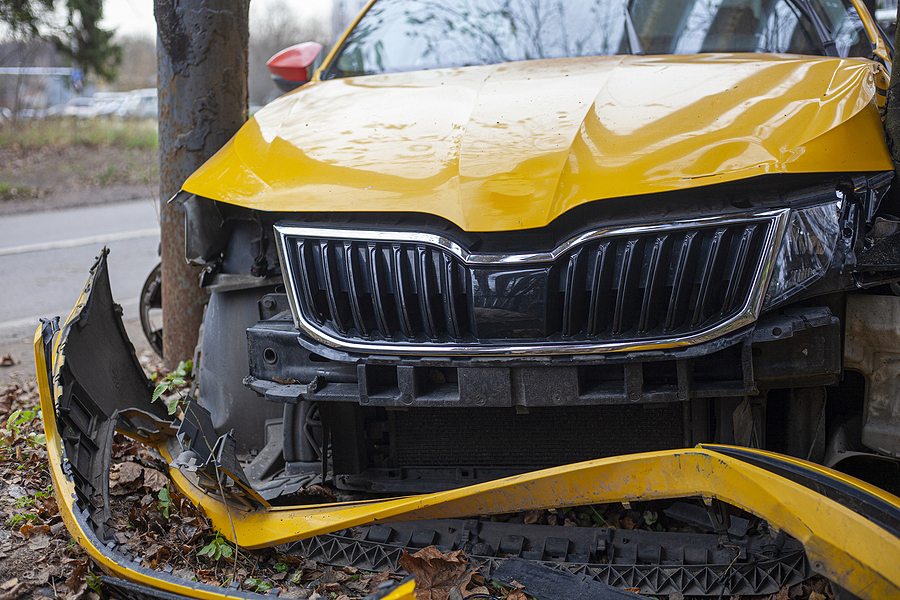
The sound of crunching metal is something no driver ever wants to hear. Once the dust settles and everyone is safe, the reality of the situation sets in. You are left with a damaged vehicle, a shaken spirit, and a looming call with your insurance company. When that adjuster uses the word “totaled,” it often feels like the final nail in the coffin for your car.

Many vehicle owners assume that a totaled car is a complete financial loss—a burden that needs to be towed away and forgotten. But this is a misconception. A total loss designation does not render your vehicle worthless. In fact, selling a totaled car is often a straightforward process that can put significant cash back in your pocket.

Whether you are looking to fund a down payment for a new vehicle or simply want to close this chapter, navigating the sale of a damaged car is more accessible than you might expect.
Call 317-450-3721 to Sell a Totaled Car Near Indianapolis

Understanding What “Totaled” Means

To navigate the process confidently, you first need to understand what is happening behind the scenes at your insurance company. A car is not necessarily “unfixable” when it is declared a total loss. Instead, it is a financial calculation.

Insurance companies determine a total loss based on the cost of repairs relative to the vehicle’s value. This usually happens in one of two ways:

1. The Total Loss Threshold

In many states, if the estimated cost of repairs exceeds a certain percentage of the car’s Actual Cash Value (ACV), the car is totaled. For example, if your state has a 75% threshold and your car is worth $10,000, repairs costing $7,500 or more will trigger a total loss designation.

2. The Total Loss Formula

If a state does not have a specific threshold, insurers often use a formula: Cost of Repair + Salvage Value > Actual Cash Value.

Basically, if fixing the car and selling it later costs more than what the car is worth right now, the insurance company will prefer to pay you the current value and sell the wreck themselves.

Challenging the Myth of the “Worthless” Car

The biggest psychological hurdle to selling a totaled car is the belief that no one wants it. This could not be further from the truth. The automotive ecosystem is vast, and value exists in almost every vehicle, regardless of its condition.

  • Parts Value: Even if the frame is bent or the engine is damaged, your car contains hundreds of functional parts. Alternators, seats, electronics, glass, and interior panels are often in high demand.
  • Scrap Metal: At a minimum, the steel and aluminum in your vehicle have a baseline commodity price.
  • Restoration Potential: For mechanics and hobbyists, a totaled car can be a “project car.” If the damage is cosmetic or manageable for a professional, they may buy it to restore and retitle it with a Rebuilt Title.

Available Options for Selling

Once you decide to keep the car (a process known as “owner retention”) rather than letting the insurance company take it, you have several avenues for selling it.

Junkyards and Auto Salvage Yards

This is the most common and fastest route. A local salvage yard will buy vehicles in any condition. They make their profit by dismantling the vehicle and selling the usable parts or selling the scrap metal. The transaction is usually quick, often completed within 24 hours, and typically includes free towing.

Private Buyers

There is a market of mechanics, hobbyists, and bargain hunters looking for salvage vehicles. Selling privately can often yield a higher price than a junkyard because you are cutting out the middleman. However, this route requires more effort: listing the car, vetting buyers, and managing the paperwork yourself.

Online Car Buying Services

In recent years, dedicated online services have streamlined the process. You enter your vehicle’s details—including the damage—and receive an instant offer. These services often handle the pickup and paperwork, bridging the gap between the convenience of a junkyard and the reach of a private sale. But fair warning, the payouts are much lower.

Sell Your Old, Beat Up Car Today!

Step-by-Step Guide to Selling Your Totaled Car

If you are ready to turn that damaged car into cash, follow this roadmap to ensure a smooth transaction.

1. Retain the Vehicle

When your insurance company offers a settlement, tell them you want to keep the car. They will deduct the car’s “salvage value” (what they would have sold it for at an auction) from your settlement check. You get the cash difference and keep the car.

2. Handle the Title Paperwork

This is the most critical step. You generally cannot sell a totaled car with a standard clean title. You must apply for a Salvage Title. This alerts future buyers that the vehicle has been declared a total loss. Failing to do this can lead to legal complications.

3. Assess and Prepare the Vehicle

Clear out all personal belongings. Check under the seats, in the glove box, and in the trunk. Remove your license plates—you will need these to cancel your registration or transfer it to a new car. While you don’t need to detail a wrecked car, removing trash makes a better impression on buyers.

4. Get Quotes

Do not settle for the first offer. Call local yards, check online platforms, and perhaps list it on a local classifieds site to gauge interest.

Maximizing Value: Getting the Best Price

Just because the car is damaged doesn’t mean you shouldn’t negotiate. To get the best deal:

  • Know Your Parts: If you recently put on new tires or installed a new battery/stereo system, mention this. Some buyers will pay a premium for these specific high-ticket items.
  • Be Honest About Damage: When describing the car to potential buyers, be accurate. Sending photos of the damage helps avoid renegotiation when the tow truck arrives.
  • Separate the Components: If you have the tools and the time, you might make more money by selling high-value parts (like the catalytic converter, wheels, or entertainment system) separately before selling the shell to a scrap yard. However, verify with the buyer that they accept stripped vehicles.

Moving Forward

A totaled car does not have to be a total loss of potential. By understanding how the value is calculated and knowing your selling options, you can turn a stressful accident into a financial opportunity. Whether you choose the speed of a salvage yard or the potential profit of a private buyer, the power is in your hands.

If you are located in the Indianapolis area and want a hassle-free way to move on from your vehicle, we can help. We offer competitive prices and handle the heavy lifting for you. Contact Us Today to get cash for junk cars in Indianapolis.

Call Now for Your Free Offer

Related Post: Junk Car Disposal: How to Make the Most of Your Old Vehicle
Common Myths About Selling Your Junk Car Debunked

That old car sitting in your driveway isn’t just taking up space; it’s also a source of confusion. Many people hold onto scrap cars for years, unsure of what to do with them. A big reason for this hesitation is the number of myths and misconceptions surrounding the process of selling a junk car. These old wives’ tales can make the task seem overwhelming, expensive, or not even worth the effort.

If you have a vehicle that’s seen better days, understanding the truth behind selling it is the first step toward turning that liability into an asset. This guide will walk you through the most common myths about selling junk cars and provide clear, factual information. By the end, you’ll see that getting rid of your old vehicle can be a simple, profitable, and straightforward process.

Call 317-450-3721 to Get a Free Offer From Our Local Junk Car Buyers in Indianapolis

Don’t Believe These 5 Junk Car Selling Myths

Myth #1: Junk cars are worthless

It’s easy to look at a rusty, non-running car and assume it has no value. This is perhaps the biggest and most common myth. The truth is, every car has value, regardless of its condition. The junk car value isn’t determined by its ability to drive but by the sum of its parts and materials.

Here’s where the value comes from:

Scrap Metal: A significant portion of a car’s weight is metal. Steel, aluminum, and copper are all valuable commodities that auto salvage yards recycle. Metal prices fluctuate, but there’s always a demand. Your junk car’s weight in scrap metal alone can be worth hundreds of dollars.

Reusable Parts: Just because the car doesn’t run doesn’t mean all its components are useless. Parts like alternators, starters, mirrors, windows, and even relatively new tires can be salvaged, refurbished, and sold to other car owners. Specialized junk car buyers have the expertise to identify and extract these valuable components.

Catalytic Converters: These components contain precious metals like platinum, palladium, and rhodium, making them one of the most valuable parts of a scrap car.

So, while your junk car might not be road-worthy, it’s a collection of valuable materials and parts. Never assume it’s worthless.

Myth #2: It’s difficult to find a buyer

The thought of finding someone willing to purchase a car that doesn’t run can seem daunting. You probably can’t just put a “For Sale” sign on it and expect calls to flood in. However, a specialized market exists just for vehicles like yours, making it surprisingly easy to find a buyer.

You have several convenient options for selling scrap cars:

Local Junkyards and Auto Salvage Yards: These businesses are the traditional go-to for selling junk cars. A quick online search for “junk car buyers near me” will yield plenty of local options. They are always in the market for old vehicles for their scrap metal and parts inventory.

Online Car Buying Services: In recent years, online services have streamlined the junk car selling process. Companies dedicated to buying junk cars operate nationwide. You can get an instant quote on their website by simply providing your vehicle’s details. These services often come with a lower offer.

Finding a buyer isn’t the hard part; it’s choosing the one that offers the best price and most convenient service.

Contact Us for Free Junk Car Removal & Cash!

Myth #3: You need to fix the car before selling

With a traditional used car sale, making minor repairs can often increase the vehicle’s value. This logic does not apply when selling a junk car. Junk car buyers specialize in purchasing vehicles “as-is.” Their valuation is based on the car’s scrap and parts value, not its operational status.

Spending money to fix a junk car is almost always a losing proposition. The cost of repairs will likely exceed any increase in the selling price. Buyers expect these cars to have significant issues, from engine failure and transmission problems to extensive body damage. Whether the car starts or not has little impact on the final offer from an auto salvage yard. Save your time, money, and effort. Sell the car exactly as it is.

Myth #4: You need the title to sell the car

While having the car’s title makes the selling process smoother, not having it isn’t always a deal-breaker. The rules surrounding a car title transfer for a junk vehicle can vary by state, but many buyers have procedures in place to purchase a car without a title.

Here’s what you need to know:

Check State Regulations: Some states have stricter laws than others. It’s always a good idea to check your local DMV’s requirements.

Alternative Documentation: If you don’t have the title, you can often prove ownership with other documents. A valid driver’s license or state-issued photo ID that matches the vehicle’s registration is often sufficient. A bill of sale can also serve as a legal record of the transaction.

Lien-Free is Key: The more significant issue is whether there’s a lien on the car. You cannot legally sell a vehicle if a bank or lender still has a financial claim on it. You must pay off the loan and obtain a lien release from the lender before selling.

Many reputable junk car buyers are experienced in handling title issues and can guide you through the necessary paperwork. Always be upfront about the status of your title when requesting a quote.

Myth #5: The selling process is complicated and slow

The idea of selling a car often brings to mind lengthy negotiations, piles of paperwork, and logistical headaches. Selling a junk car is typically much simpler. The industry is built around efficiency and convenience, especially for the seller.

The process usually follows these simple steps:

1. Get a Quote: Contact a few local or online junk car buyers. You’ll provide basic information about your car, such as its make, model, year, and condition. Most services can give you an instant, no-obligation quote.

2. Accept the Offer: If you’re happy with the price, you accept the offer.

3. Schedule Pickup: The buyer will arrange a time for junk car removal. In most cases, they will come to your location—be it your home, office, or a repair shop—to pick up the vehicle. This service is almost always free.

4. Complete Paperwork and Get Paid: When the tow truck arrives, you’ll sign the necessary paperwork, like the title or a bill of sale, and hand over the keys. The driver will then pay you on the spot, usually in cash or with a check.

From the first quote to having cash in your hand, the entire process can often be completed within 24 to 48 hours. It’s far from the complicated ordeal many people imagine.

Turn Your Junk Car into Cash NOW

Selling a junk car doesn’t have to be a mysterious or difficult process. By understanding the facts, you can approach the sale with confidence. Your old car is not worthless, buyers are easy to find, and the process is designed to be quick and simple. Don’t let myths keep a valuable asset rusting away in your driveway. Take the first step today and see how easy it is to sell your junk car.

Sell Your Junk Car Now

Related Post: Indianapolis Scrap Car Removal Guide